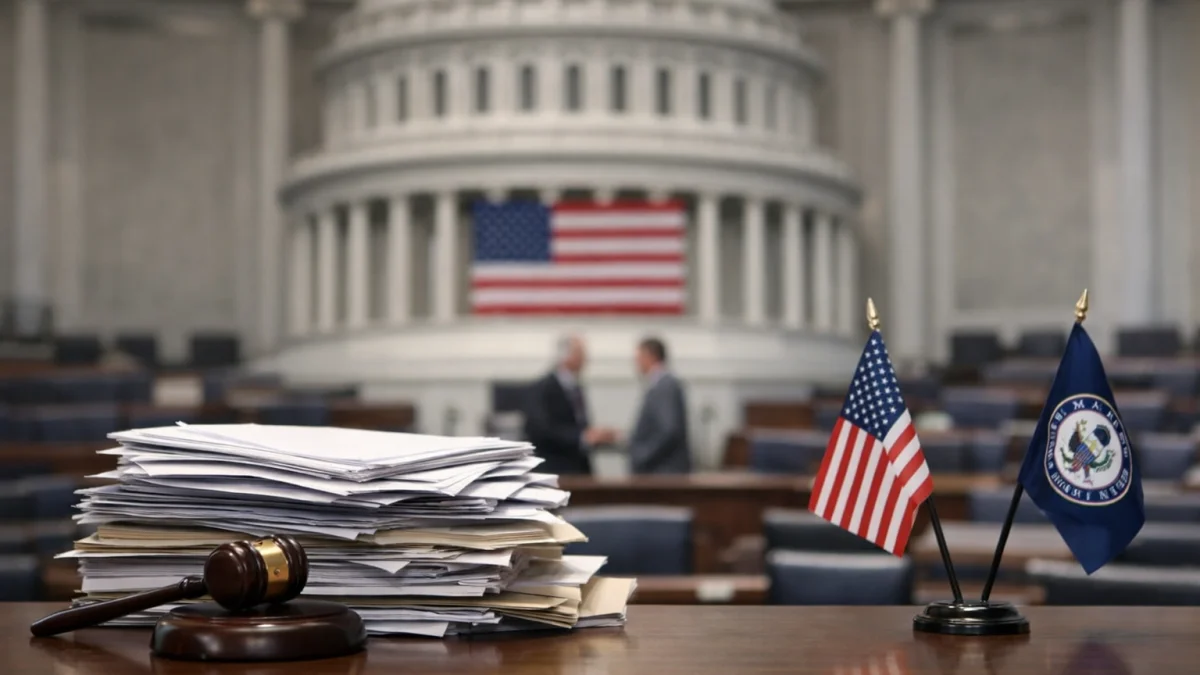


WASHINGTON — The 119th U.S. Congress is on pace to enact one of the fewest numbers of bills into law in decades, with legislative output remaining limited midway through its first session, according to congressional tracking data.
As of early June 2026, the Republican-led Congress has enacted approximately 95 public laws since convening in January 2025, data compiled by sources including GovTrack and Wikipedia indicate. This figure reflects a continuation of historically low productivity seen in recent sessions, with lawmakers introducing thousands of bills but advancing relatively few to enactment.


In the first year of the session in 2025, Congress passed fewer than 40 bills that were signed into law, setting a modern record for low output in the first year of a new presidential administration, according to analyses by The Washington Post and other outlets citing C-SPAN and Purdue University data.
The current pace comes amid a divided political landscape and focus on major packages such as budget reconciliation measures. For example, H.R. 1, a significant reconciliation bill addressing taxes, spending and the debt limit, was signed into law on July 4, 2025, officials said. Other notable actions have included targeted legislation on nominations and specific policy areas.
Congressional scholars and trackers note that the overall number of bills enacted has trended downward over decades, with larger, more complex omnibus measures becoming common. The 118th Congress (2023-2024) previously set records for low productivity, passing around 209 laws over two years, far below historical averages of more than 300 per session.
“Congress continues to grapple with partisan divisions that slow the legislative process,” one congressional aide said, speaking on condition of anonymity to discuss internal dynamics. Details on specific voting records and committee activity remain subject to ongoing compilation.
Lawmakers have introduced more than 16,000 bills and resolutions in the 119th Congress so far, with only a small percentage advancing beyond introduction, according to GovTrack statistics. Activity has included committee work on issues such as energy, immigration and government operations, but floor votes and final passages have been limited.
The House and Senate have focused on confirmations and must-pass funding measures to avoid disruptions, officials said. Bipartisan efforts on narrower bills have yielded some results, though broader consensus has proven elusive on many priorities.
As of June 10, 2026, Congress remains in session with additional legislative weeks scheduled. The full two-year session runs through January 2027, leaving time for further activity. Precise comparisons to historical sessions and final tallies for the 119th Congress will depend on developments in the coming months, trackers noted.