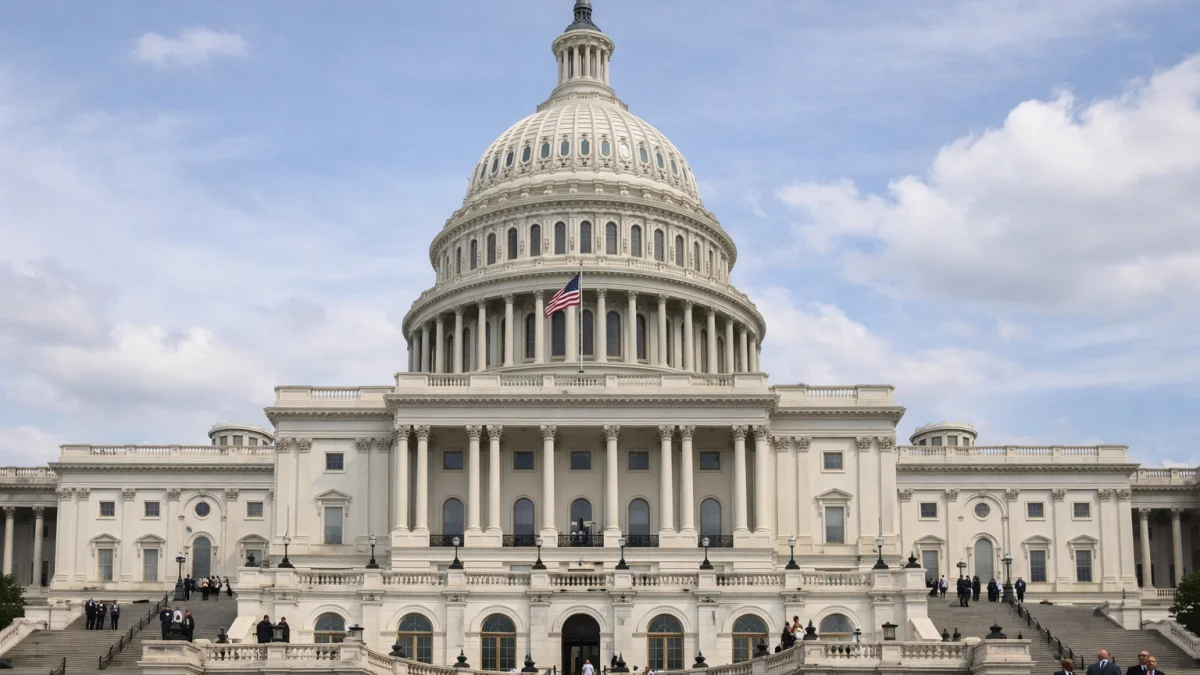


WASHINGTON — The U.S. House of Representatives on Thursday rejected a short-term extension of a key foreign surveillance authority, putting the program on track to lapse for the first time since its creation in 2008.
The measure, which would have extended Section 702 of the Foreign Intelligence Surveillance Act through July 2, failed on a 218-198 vote. It required a two-thirds majority under the fast-track procedure used to bring it to the floor.


Section 702 allows U.S. intelligence agencies to collect communications of foreign targets overseas without a warrant. The program has been a cornerstone of counterterrorism and national security efforts but has drawn criticism from lawmakers in both parties over concerns about incidental collection of Americans' data and how it is queried.
The vote came amid partisan tensions over President Donald Trump's selection of Bill Pulte, director of the Federal Housing Finance Agency and a political ally with no intelligence background, to serve as acting director of national intelligence. Democrats largely opposed the extension in protest of the appointment, while 19 Republicans also voted against the measure.
House Speaker Mike Johnson, a Louisiana Republican, had pushed for the brief extension to allow time for further negotiations on a longer-term reauthorization. The House is scheduled to leave for recess until June 23.
"Section 702 is critical to our national security, providing vital intelligence on threats from adversaries like China, Russia, Iran and terrorist groups," a Republican leadership aide said, speaking on condition of anonymity to discuss internal deliberations. Intelligence officials have warned that a lapse could hamper efforts to track foreign threats.
Democrats argued that any extension should include stronger privacy protections and expressed concerns about leadership at the intelligence community under the Pulte appointment. Many lawmakers from both parties have long called for reforms to require warrants for querying U.S. persons' data incidentally collected under the program.
The authority is set to expire at midnight Friday. Congress has previously passed multiple short-term extensions this year after earlier efforts for a longer reauthorization faced internal Republican divisions and demands for changes.
Details on the immediate operational impact of a lapse remain unclear. Officials have indicated that some existing certifications under the program may allow limited collection to continue for a period, but the full scope of authorities would be affected.
The Senate has not taken action on the short-term proposal. Lawmakers from both chambers face pressure to resolve the impasse when they return from recess, as broader negotiations over reforms to Section 702 continue.
The program was last reauthorized with modifications in 2024. Since its inception, it has been renewed multiple times amid recurring debates balancing security needs and civil liberties.