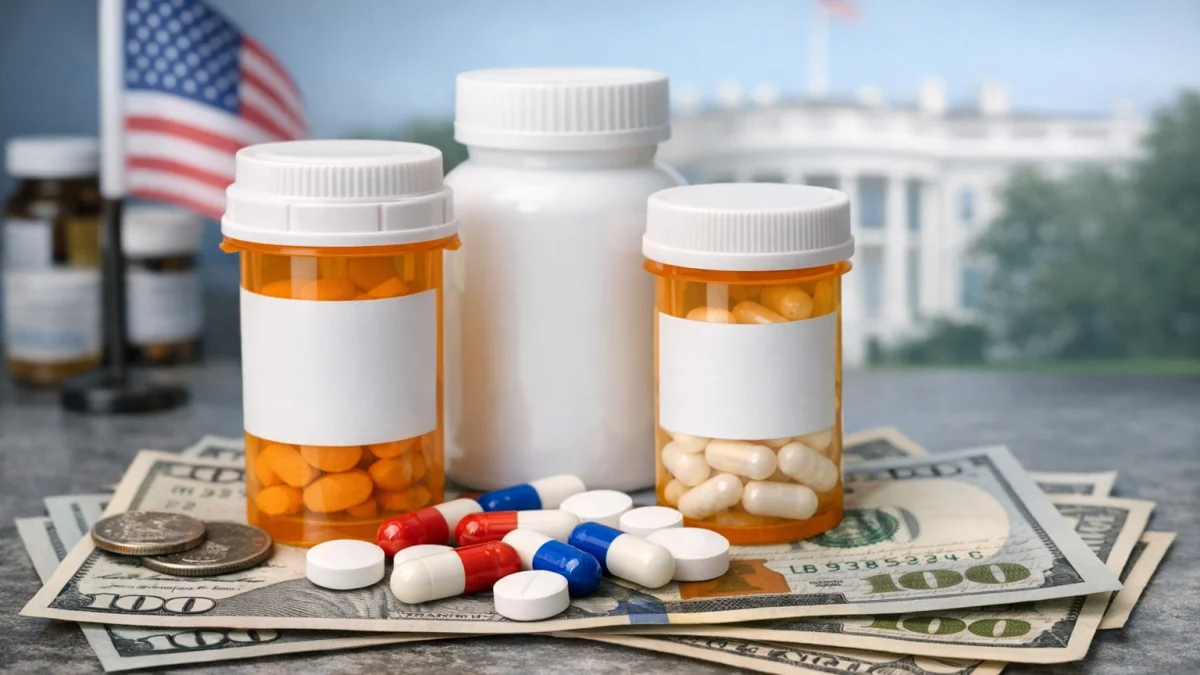
WASHINGTON — Major pharmaceutical companies raised list prices on hundreds of brand-name drugs at the start of 2026, including products from firms that reached pricing agreements with the Trump administration, according to industry analyses.
Data showed increases on at least 350 branded medications, with a median rise of about 4 percent, in line with the previous year. One analysis identified hikes on 872 brand-name drugs in the first two weeks of January. All 16 companies that signed deals with the administration for most-favored-nation pricing or direct-to-consumer discounts raised prices on some products, reports from NPR and others indicated.
The Trump administration announced multiple agreements with drugmakers, including AstraZeneca, Eli Lilly, Pfizer and others, since late 2025. These deals aimed to align certain U.S. prices with lower rates paid in other developed nations and expand access through the TrumpRx.gov platform, launched to offer discounts on select medicines. Additional measures included guidance to facilitate direct sales to patients and tariffs on patented drugs for companies without agreements, set to take effect later.
Despite these efforts, companies continued the annual practice of adjusting list prices in January. Examples included Pfizer raising prices on around 80 products, such as a 15 percent increase for its COVID-19 vaccine. Other increases covered vaccines for RSV and shingles, as well as cancer treatments like Ibrance.
Pfizer said in a statement that it had adjusted the average list price of its innovative medicines and vaccines for 2026 below the overall rate of inflation. Some companies also announced price reductions on select drugs, including certain diabetes medications.
Industry observers noted that list prices do not reflect net prices after rebates and discounts negotiated with insurers and pharmacy benefit managers. The deals with the administration primarily affected prices for Medicaid, Medicare or direct-to-consumer purchases on specific drugs, while broader list prices remained subject to company discretion.
The administration has described the agreements as delivering substantial relief for patients on high-cost medicines. Details on the exact scope and impact of the deals on overall drug spending remain limited.
As of April, the Trump administration continued pursuing further onshoring and pricing commitments from manufacturers in exchange for tariff relief. More price adjustments and potential new deals could be announced in coming months.