WASHINGTON — Senate Republicans on Wednesday rejected an Iran war powers resolution hours after a contentious meeting with President Donald Trump at the Capitol, reversing a vote from the previous day that had passed the measure.
The late-night vote failed the resolution 47-50-1, according to congressional records. Sen. Bill Cassidy, R-La., switched his position to vote no, while Sen. Rand Paul, R-Ky., voted present. The outcome came after Trump met with Republican senators earlier in the day.
The resolution, which had passed the Senate 50-48 on Tuesday with four Republicans joining most Democrats, called for President Trump to halt U.S. military action against Iran or seek congressional approval to continue. The House had approved a similar measure earlier this month.
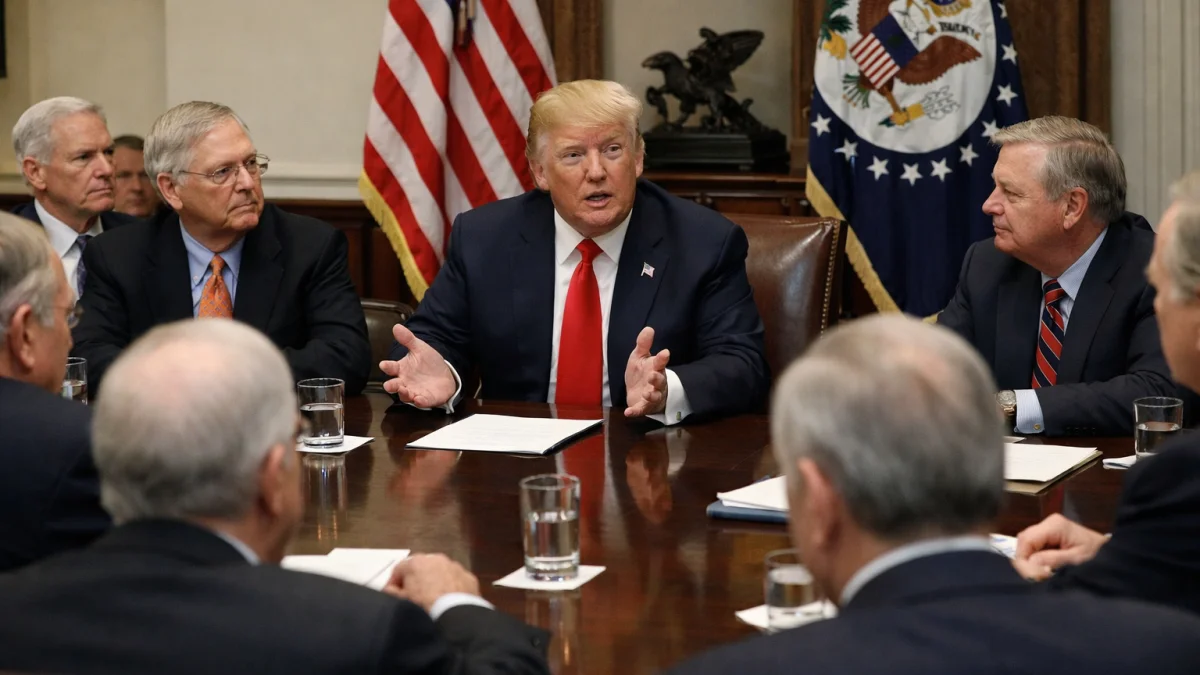
Trump addressed Senate Republicans during a closed-door luncheon on Wednesday, where he expressed strong opposition to the measure. Multiple senators described the meeting as heated, with exchanges involving Cassidy and others who had supported the resolution.
Senate Majority Leader John Thune, R-S.D., and other GOP leaders were present at the meeting. Details of specific discussions remain unclear, but Republicans moved quickly to hold the new vote.
The four Republicans who initially voted in favor on Tuesday were Cassidy of Louisiana, Susan Collins of Maine, Lisa Murkowski of Alaska and Rand Paul of Kentucky. Two other Republicans, Sens. Mitch McConnell of Kentucky and Dave McCormick of Pennsylvania, did not vote on Tuesday.
Democrats largely supported the resolution in both votes, though Sen. John Fetterman, D-Pa., opposed it. The measure was nonbinding and would not have required presidential approval if passed by both chambers.
White House officials defended the administration's actions in Iran as necessary for national security. Senate Republicans who opposed the resolution cited the need for presidential flexibility in foreign policy.
"This is about supporting our commander in chief during a critical time," one Republican senator said after the Wednesday vote, speaking on condition of anonymity to discuss the closed meeting.
The reversal highlights divisions within the Republican Party over the administration's approach to the Iran conflict. Lawmakers from both parties continue to debate the role of Congress in authorizing military actions.
The resolution's status following the latest vote remains subject to further procedural steps in the Senate.