

TEHRAN — Iran has accepted a two-week ceasefire with the United States and agreed to allow safe passage for vessels through the Strait of Hormuz, officials from both sides said on Wednesday.
Iranian Foreign Minister Abbas Araghchi confirmed Tehran's acceptance hours after U.S. President Donald Trump announced the suspension of attacks on Iran. The agreement follows weeks of conflict that escalated after U.S. and Israeli strikes on Iranian targets beginning in late February, during which Iran restricted maritime traffic in the strait.


Trump said late Tuesday that he agreed to suspend bombing and attacks on Iran for two weeks, subject to the "complete, immediate, and safe opening" of the Strait of Hormuz. The announcement came shortly before a deadline he had set for Iran.
Araghchi stated that if attacks against Iran halted, Iranian forces would cease defensive operations. “For a period of two weeks, safe passage through the Strait of Hormuz will be possible via coordination with Iran’s Armed Forces and with due consideration of technical limitations,” he said, according to Iranian state media and reports from Al Jazeera.
Pakistan played a key role in mediating the deal, with Prime Minister Shehbaz Sharif and Field Marshal Asim Munir involved in negotiations. Iranian officials expressed gratitude to Pakistani leaders for their efforts.
The ceasefire does not address Israel's separate actions, and Israeli officials indicated they would observe the pause but raised concerns about their interests.
Details on the exact timing for the resumption of shipping and full implementation remained unclear early Wednesday. Shipping data showed limited initial movements in the strait following the announcements.
Pro-government demonstrators gathered in Tehran, waving flags and celebrating what Iranian media described as a diplomatic outcome aligned with Tehran's positions, including elements of a 10-point proposal.
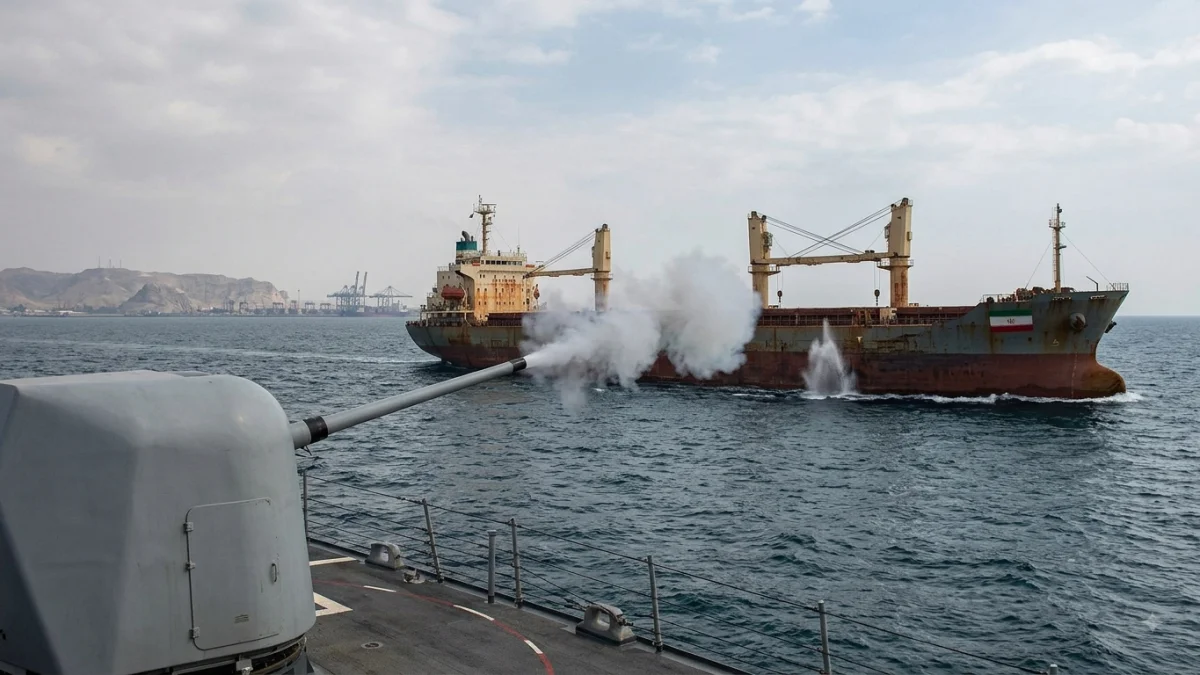
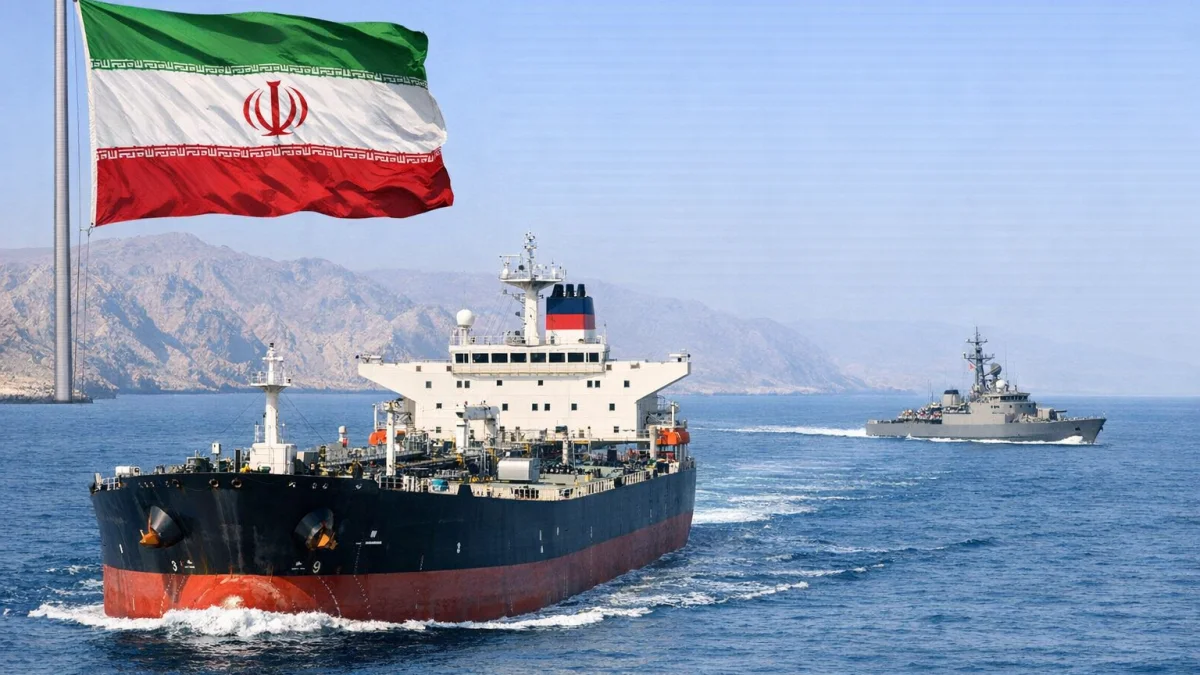
The Strait of Hormuz, through which about one-fifth of global oil shipments typically pass, had seen disrupted traffic since the escalation of the conflict. Global oil prices fell after the ceasefire news, market reports said.
U.S. officials described the arrangement as a step toward further negotiations, scheduled to begin in Islamabad on Friday, according to Iranian statements. Both sides framed the pause positively, though the agreement was described as conditional and temporary.
As of Wednesday morning, monitoring continued in the region, with some vessels reported to have begun transiting under coordination with Iranian authorities. The situation in the Gulf remained under close observation by international parties.