

Mar 26, 2026 - Iran rejected a U.S. ceasefire proposal on Wednesday and launched renewed missile strikes on Israeli and Gulf targets as the conflict in the Middle East continued.
Iranian state television quoted an official as saying Tehran dismissed the American 15-point plan, which was delivered through Pakistani intermediaries. The proposal reportedly included provisions for sanctions relief, limits on Iran's nuclear and missile programs, and reopening the Strait of Hormuz. In response, Iran outlined its own five-point conditions for ending the fighting, which included halting attacks on its officials and territory, mechanisms to prevent future strikes, war reparations, a region-wide ceasefire, and recognition of its sovereignty over the Strait of Hormuz.


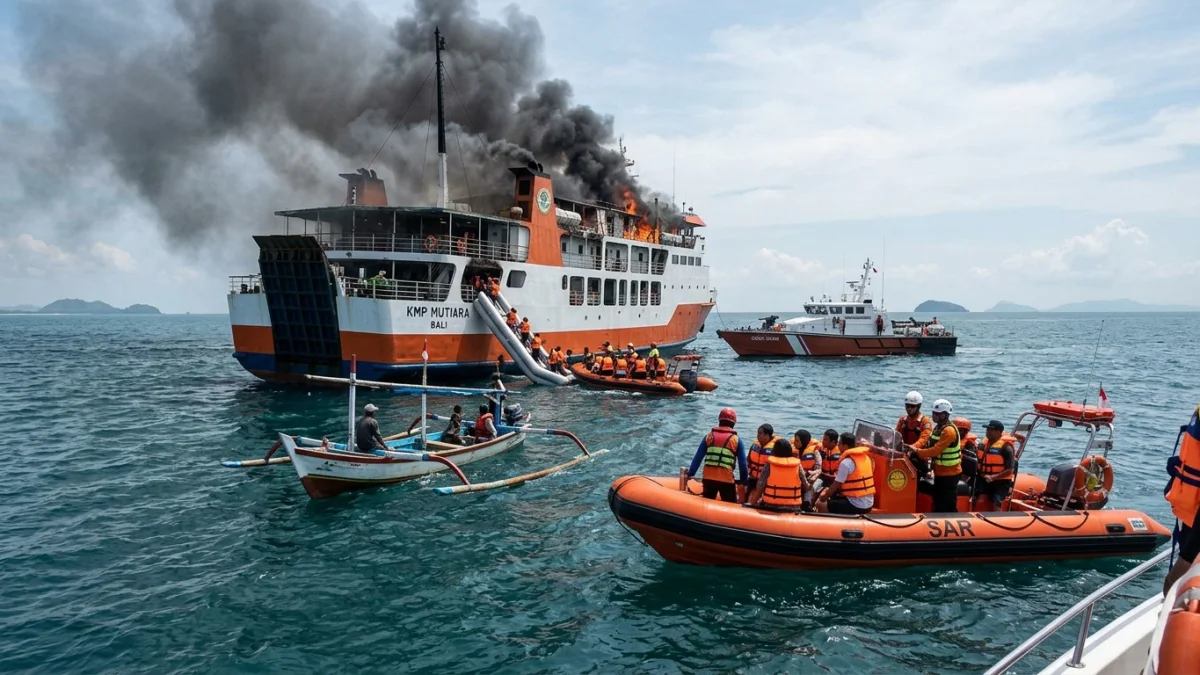
The rejection came as Iranian forces fired ballistic missiles and drones toward Israel and sites in Gulf Arab countries. One strike hit a fuel tank at Kuwait International Airport, causing a fire and sending black smoke into the sky. Preliminary reports indicated limited casualties from the latest barrage, though exact numbers remained unclear.
The exchanges are part of a conflict that escalated in late February when U.S. and Israeli forces conducted strikes on Iranian targets. Iran has since responded with missile and drone attacks across the region, while also restricting maritime traffic in the Strait of Hormuz, a key chokepoint for global oil shipments. Shipping volumes through the waterway have fallen sharply since early March, affecting energy markets.
U.S. officials have described the 15-point plan as an effort to pause hostilities and address core issues, including nuclear restrictions and secure passage for vessels in the Persian Gulf. Iranian authorities, however, stated that any ceasefire must occur on their terms and rejected what they called unacceptable demands.
The U.S. has continued military operations in support of Israel, including strikes aimed at degrading Iranian naval capabilities. Earlier this week, Israeli forces reported killing Alireza Tangsiri, commander of Iran's Islamic Revolutionary Guard Corps Navy, in a strike on Bandar Abbas. Tangsiri had overseen Iranian activities in the Strait of Hormuz.
Energy prices have fluctuated amid the disruptions, with concerns over supply from Gulf producers. Several countries have rerouted shipping to avoid the area, leading to higher costs and delays for international trade.
As of Thursday, missile activity persisted in parts of the region with no immediate signs of de-escalation. Both sides continued operations, and diplomatic channels through intermediaries remained active without a breakthrough.