

Mar 26, 2026 - Land subsidence in Jakarta has accelerated in northern coastal districts due to excessive groundwater extraction and rapid urban development compounded by rising sea levels from climate change.
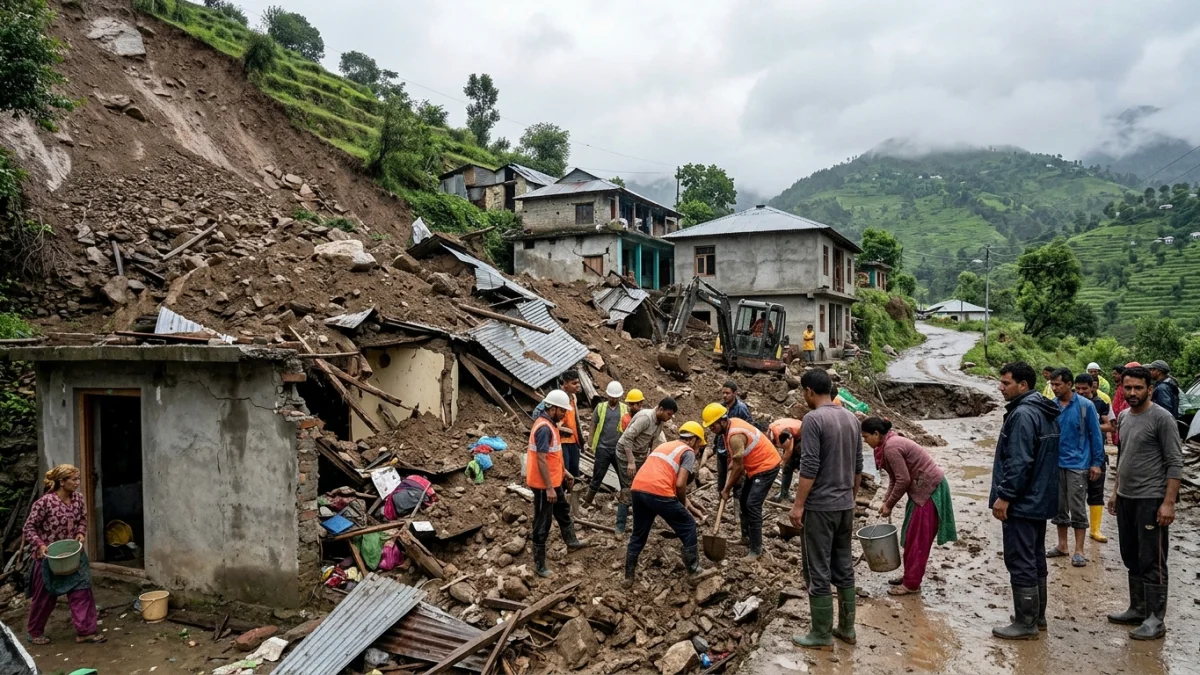
Recent assessments by Indonesia's National Research and Innovation Agency indicate the city is sinking at an average rate of about 3.5 centimeters per year, with some northern areas experiencing higher localized rates. Over the past four decades, parts of North Jakarta have subsided by as much as 4 meters, leaving roughly 40 percent of the city below sea level. In recent weeks, heavy rainfall has caused flooding in dozens of neighborhoods, exacerbating challenges in low-lying zones.


Jakarta, home to approximately 11 million residents in the city proper and more than 30 million in the greater metropolitan area, relies heavily on groundwater for domestic, commercial and industrial use because of insufficient piped water supply. Decades of unregulated well drilling have depleted aquifers, causing the land above to compact and sink. Overdevelopment, including widespread construction of buildings and infrastructure on soft coastal soils, has further contributed to the problem by reducing natural water infiltration and increasing surface loading.
Climate change has intensified the threat through gradual sea level rise, which has added several centimeters over recent decades along Java's northern coast. The combination has turned northern Jakarta into a flood-prone basin vulnerable to tidal inundation, river overflow and stormwater. Frequent flooding disrupts transportation, damages homes and businesses, and affects public health in densely populated areas.
The Indonesian government has pursued mitigation measures, including stricter regulations on groundwater extraction and plans for improved water infrastructure. However, enforcement remains challenging amid continued urban growth. Jakarta has also constructed coastal defenses and giant sea walls in some sections, though experts note these address symptoms rather than the primary causes of subsidence.
To ease pressure on the capital, Indonesia is advancing construction of a new administrative capital, Nusantara, in East Kalimantan on Borneo island. The project, estimated at tens of billions of dollars, aims to relocate government functions, with thousands of civil servants scheduled to move in phases. President Prabowo Subianto has reaffirmed commitment to the plan, targeting completion of key legislative and judicial facilities by 2028.
As of Thursday, monitoring of subsidence rates continued across Jakarta, with authorities issuing flood warnings for vulnerable coastal communities. No comprehensive new citywide subsidence data had been released this week, and flooding from recent rains had receded in most affected areas.