

WASHINGTON — Internal Republican disputes over unrelated policy issues delayed a key vote on major funding for U.S. Immigration and Customs Enforcement for several weeks, congressional leaders said, before the House passed the legislation on Tuesday.
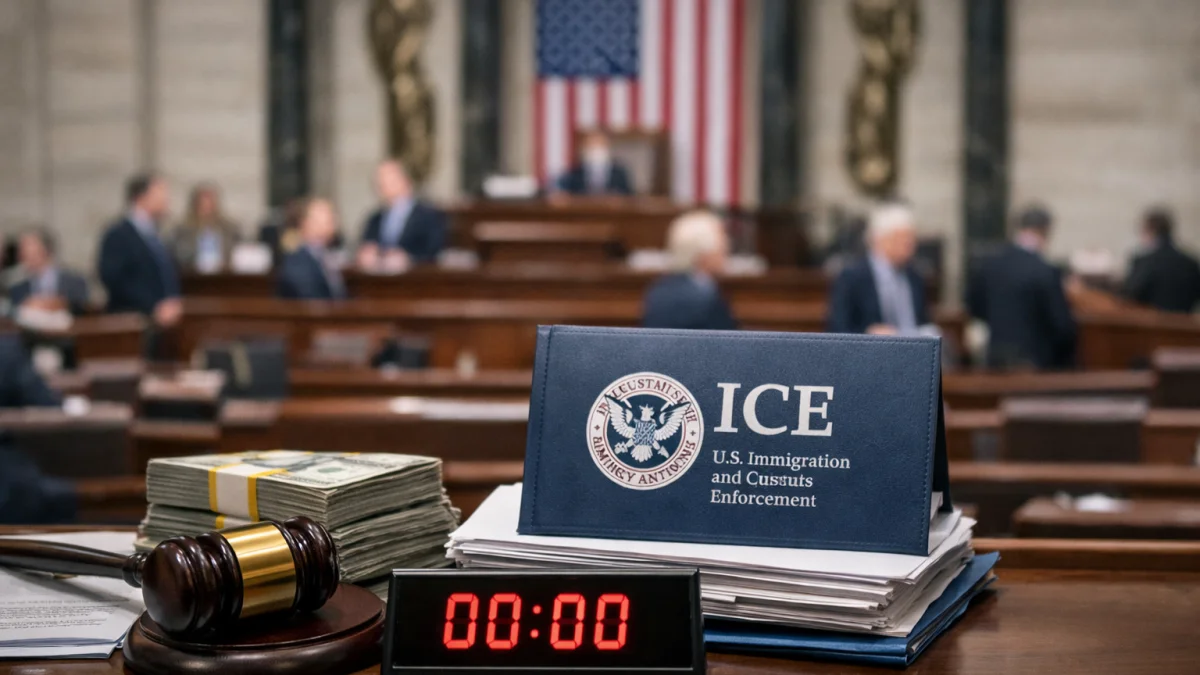
The roughly $70 billion package, which funds ICE and Customs and Border Protection operations through the end of President Donald Trump's term, cleared the House on a 214-212 party-line vote after the Senate approved it last week. The delays stemmed from GOP infighting in May over a proposed Justice Department settlement fund for individuals claiming political persecution.


Senate Republicans postponed action on the immigration enforcement measure in mid-May amid opposition from some party members to the $1.8 billion "anti-weaponization" fund. The House then took up the bill after returning from recess, according to multiple reports.
The legislation, advanced through budget reconciliation to bypass a Democratic filibuster, provides multiyear funding for immigration enforcement agencies. It ends a months-long lapse in dedicated funding that began earlier in 2026.
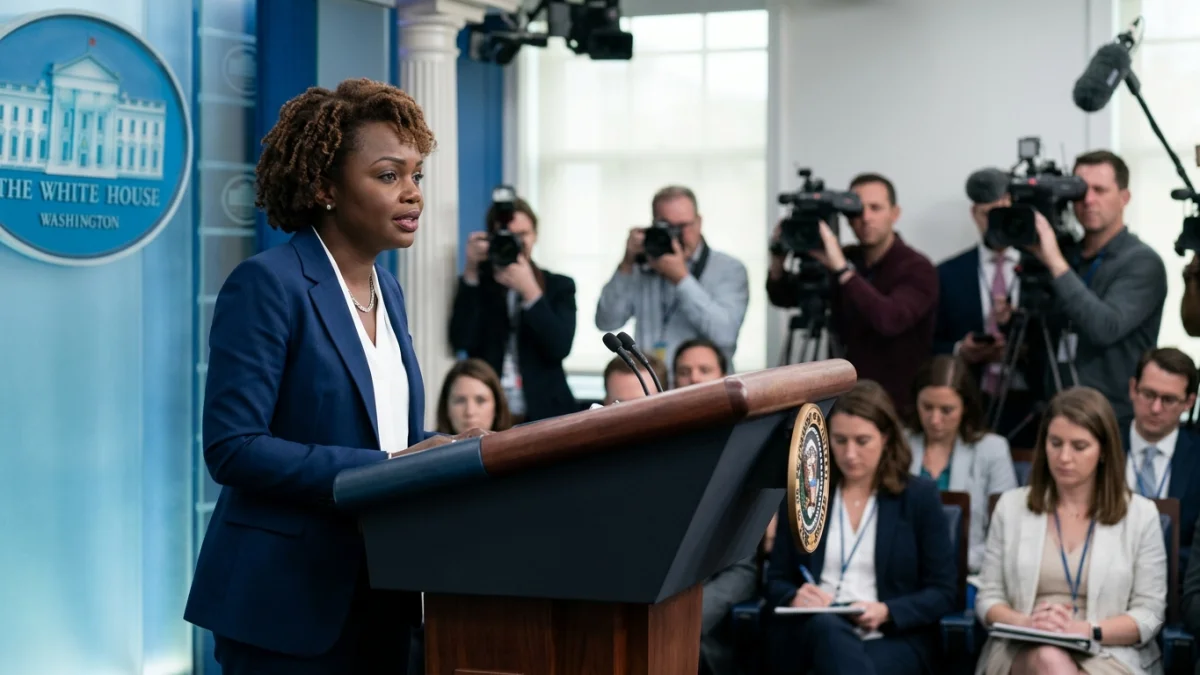
House Speaker Mike Johnson and other Republican leaders pushed for swift passage, describing the bill as essential for border security. "This funding ensures that our immigration enforcement agencies have the resources they need," Johnson said in a statement after the vote.
Democrats opposed the package, arguing it lacked oversight and reforms following incidents involving federal immigration officers. All Democrats voted against the bill in the House.
The delays pushed the measure past an initial target set by Trump for early June. Senate action occurred in the early hours of June 6 after extended debate, with Republicans defeating amendments related to the settlement fund.
The bill originated as part of broader Republican efforts to bolster enforcement amid ongoing debates over immigration policy. Funding for ICE and CBP had faced repeated blocks in Congress since early 2026.
As of Tuesday evening, the legislation was headed to President Trump for signature. Details on implementation timelines and specific agency allocations remained subject to final administrative guidance, officials said.
Congressional aides noted that the internal GOP negotiations highlighted challenges in maintaining party unity on spending priorities despite narrow majorities in both chambers. No further votes on related amendments were scheduled immediately after passage.