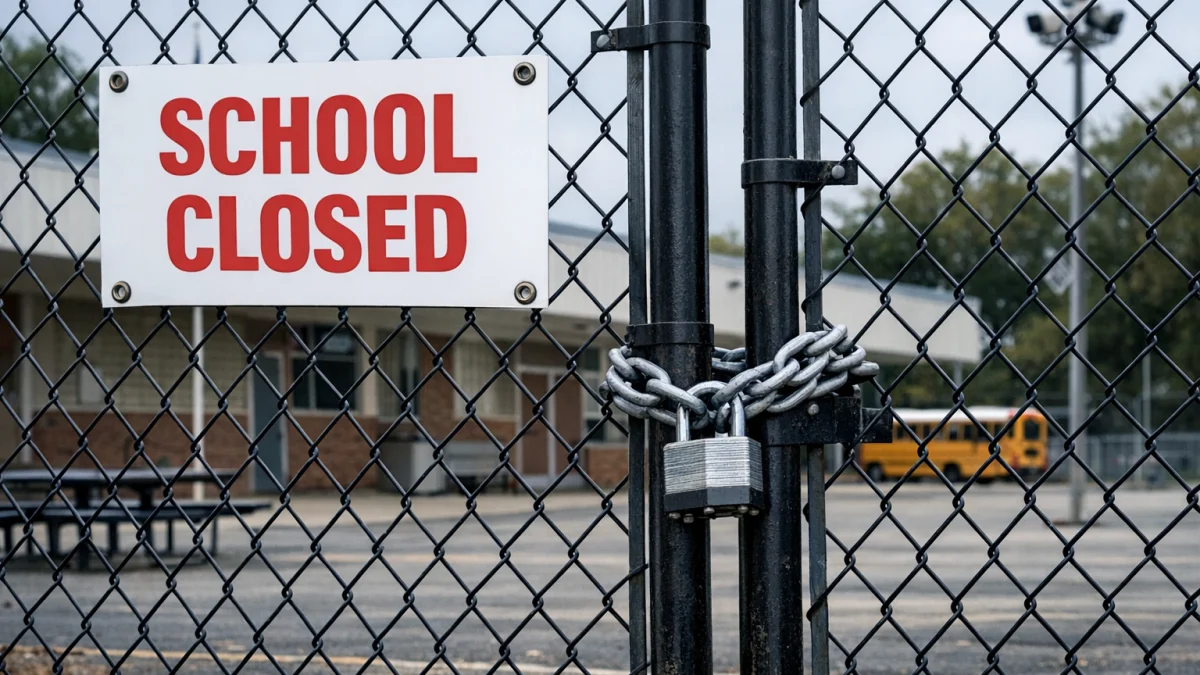


NEW YORK — Schools across several conflict-affected regions have been ordered to close as security risks escalate, disrupting education for thousands of students, according to government officials and the United Nations.
Authorities in multiple Gulf countries, including the United Arab Emirates, Qatar, Bahrain and Oman, have suspended in-person classes in recent days, shifting to remote learning as tensions linked to the Iran conflict intensified, officials said. The closures were announced earlier this week as a precautionary measure amid ongoing military activity and heightened threat levels, regional authorities and UN officials said.


UN Secretary-General António Guterres told the Security Council on Monday that the shutdown of schools highlights the broader impact of conflict on civilians, particularly children. “When conflicts escalate, children are the first to pay the price,” he said, noting that schools often serve as safe spaces during crises.
Local authorities have not disclosed how long the closures will remain in effect, but officials said decisions would be reviewed based on security conditions. Education ministries in affected countries stated that online learning systems had been activated to ensure continuity, though details on access and implementation remain limited.
The closures come amid a broader pattern of educational disruption linked to insecurity worldwide. A recent report by the United Nations education agency, UNESCO, said conflict remains one of the main drivers keeping children out of school globally, with millions affected in active conflict zones.
In some regions, schools have been directly impacted by violence or abandoned due to safety concerns. UNICEF and partner organizations reported that in parts of West and Central Africa, nearly 15,000 schools have closed in recent years due to insecurity, affecting millions of children.
Regional officials said the latest closures in the Gulf were intended to reduce risks to students and staff as tensions continue to rise. Some governments have also issued broader public safety advisories, including restrictions on movement near sensitive locations, though details vary by country.
Parents and educators have expressed concern about both safety and the continuity of education, according to local media and official statements. Authorities have emphasized that the safety of students and school personnel remains the primary consideration in decision-making.
As of Thursday, schools in the affected areas remain closed, with remote learning in place and security conditions under ongoing review, officials said. Details about reopening timelines remain unclear.