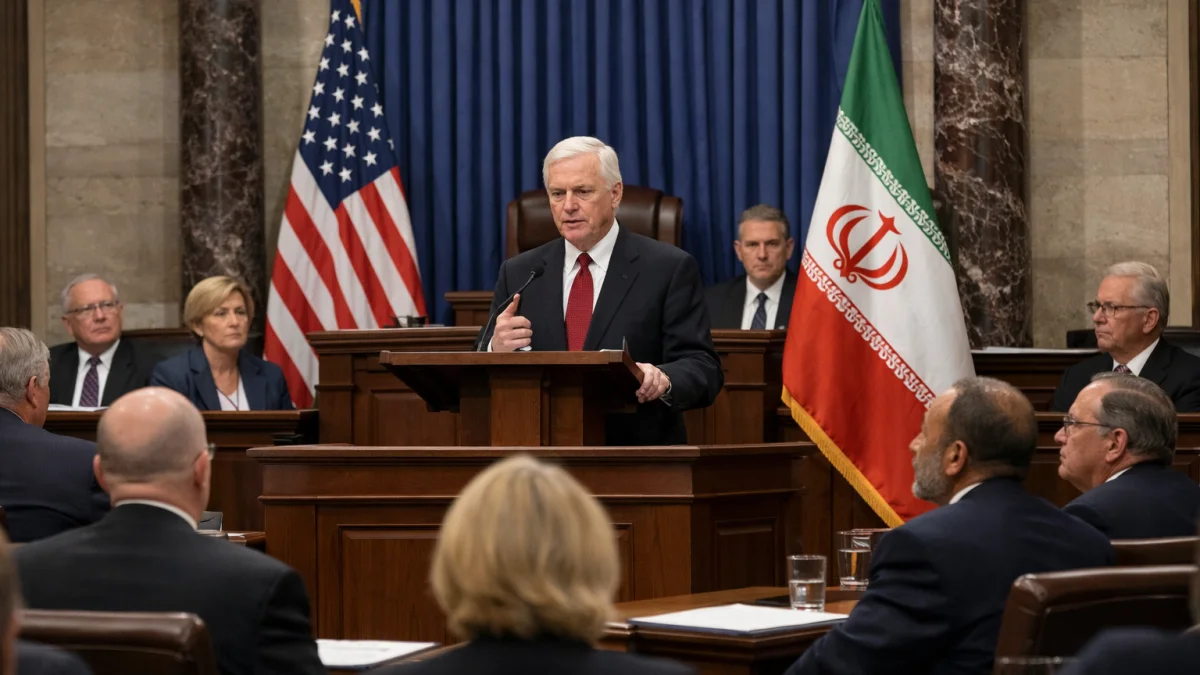


WASHINGTON — The U.S. Senate advanced a war powers resolution on Tuesday directing President Donald Trump to terminate unauthorized military hostilities against Iran, as lawmakers monitor ongoing diplomatic efforts to resolve the conflict.
The Senate approved the measure by a 50-48 vote, with four Republicans joining most Democrats in support. It marks the first time both chambers of Congress have passed such a resolution under the War Powers Resolution of 1973.


The concurrent resolution directs the president to remove U.S. armed forces from hostilities against Iran unless Congress has declared war or provided specific authorization. It does not require the president's signature and lacks the force of law.
The House of Representatives passed a similar resolution earlier this month by a 215-208 vote.
Senate Democratic Leader Chuck Schumer said the vote reflected concerns over the administration's actions. “Time after time, the vast majority of Senate Republicans sided with Trump and his war,” Schumer said, according to reports of the proceedings.
The resolution comes amid negotiations involving the Trump administration to end the conflict, which began earlier in 2026. Details of the talks remain unclear.
Republicans Susan Collins of Maine, Lisa Murkowski of Alaska, Bill Cassidy of Louisiana and Rand Paul of Kentucky voted in favor of the resolution. One Democrat, Sen. John Fetterman of Pennsylvania, voted against it.
The White House and Republican leadership have opposed the measure, arguing it undermines the president's authority. Trump administration officials have described the resolution as symbolic and questioned aspects of the War Powers Act.
Previous attempts in the Senate to advance similar resolutions had failed. This vote represents a shift, occurring as lawmakers express wariness about the duration and conduct of the conflict.
The resolution does not prevent the U.S. from defending itself or its allies. It highlights ongoing debates in Congress about the balance of war powers between the executive and legislative branches.
The Senate's action comes as the administration continues diplomatic initiatives, including efforts involving intermediaries, to reach a settlement. No immediate changes to U.S. military posture were reported following the vote.
Proceedings on the matter are largely complete in Congress, though future votes or legal challenges remain possible.