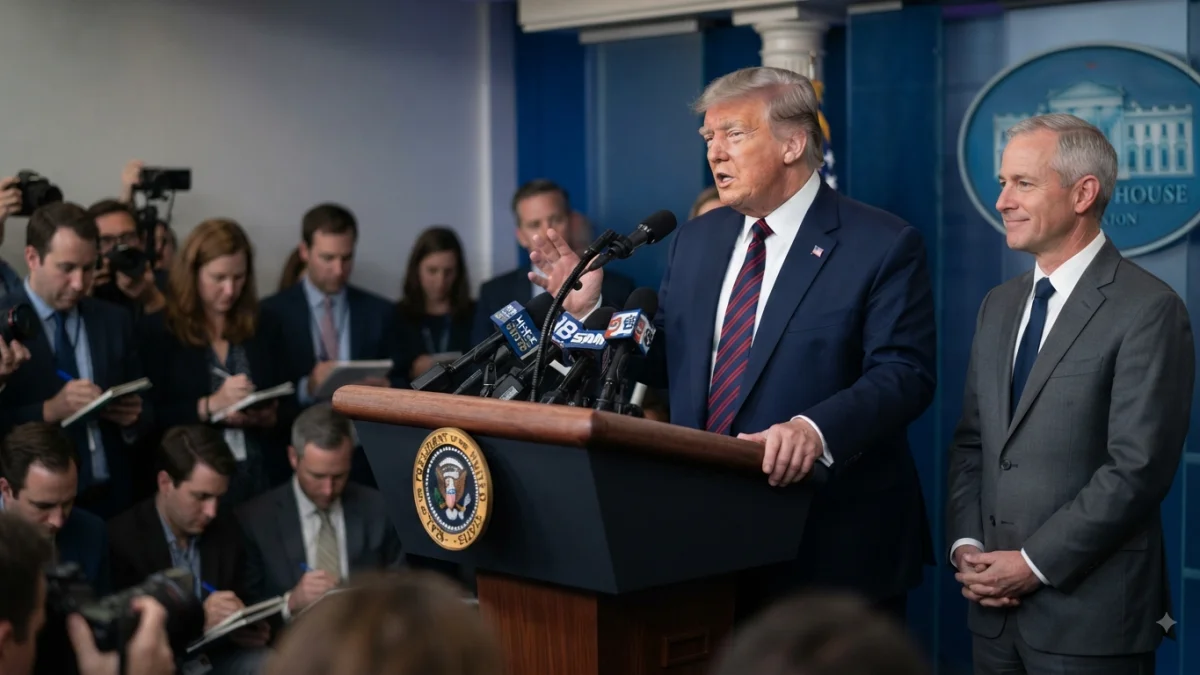


WASHINGTON — The U.S. Senate is moving quickly to confirm President Donald Trump's nominee for director of national intelligence, with leaders aiming to advance Jay Clayton's nomination this week, congressional officials said.
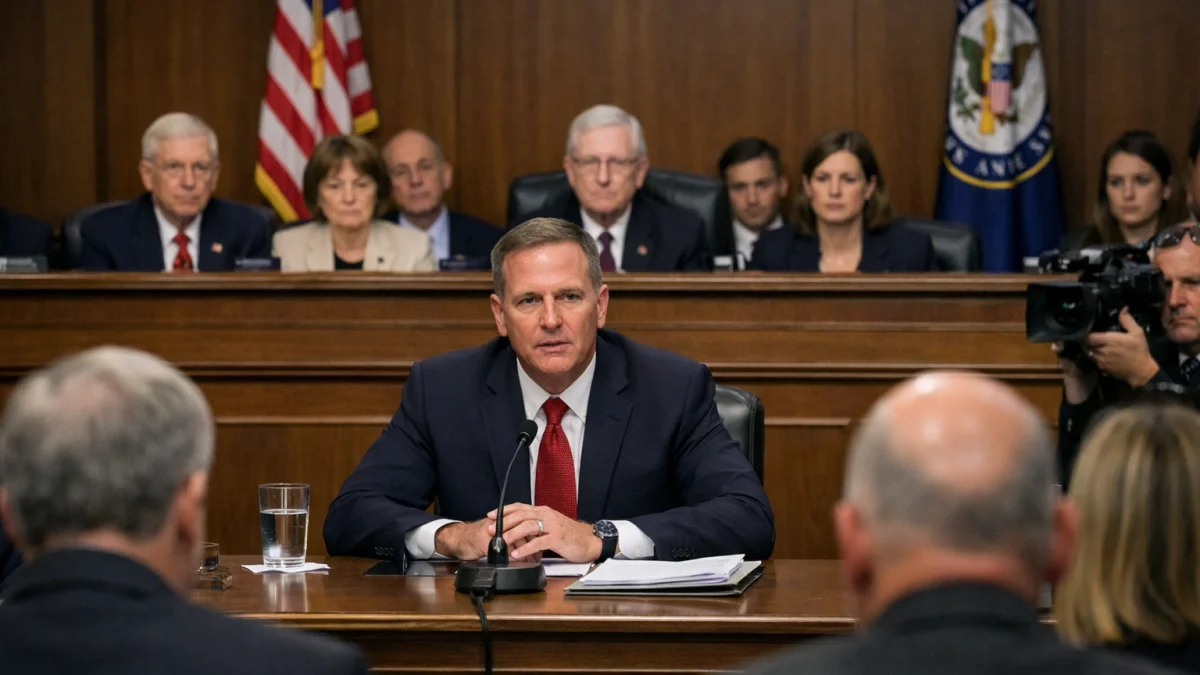
Trump announced Clayton's nomination on June 11, selecting the former chairman of the Securities and Exchange Commission and current U.S. attorney for the Southern District of New York to lead the nation's intelligence community. The Senate Select Committee on Intelligence scheduled a confirmation hearing for Wednesday, setting a rapid timeline for the process.


Senate Majority Leader John Thune, a Republican from South Dakota, said lawmakers would try to move the nomination "as quickly as possible" once formal paperwork arrives. The effort comes as Tulsi Gabbard, the current director, prepares to step down.
Clayton, who previously served as SEC chairman during Trump's first term, lacks direct intelligence community experience but has been described by supporters as a respected legal figure. Trump, in announcing the pick, urged the Senate to confirm him swiftly.
"The Senate Intelligence Committee is scheduled to hold a confirmation hearing" for Clayton on June 17, according to committee announcements. Democrats on the panel, including Sen. Mark Warner of Virginia, expressed hope for confirmation this week if unanimous consent can be reached.
The nomination follows controversy over Trump's earlier choice of Bill Pulte, head of the Federal Housing Finance Agency, to serve as acting director. Lawmakers from both parties raised concerns about Pulte's qualifications for the intelligence role, leading to the shift toward a permanent nominee.
Clayton was confirmed by the Senate in a 61-37 vote to lead the SEC during Trump's first administration. His current role as U.S. attorney involves high-profile federal prosecutions.
The director of national intelligence oversees 18 U.S. intelligence agencies. The position has been central to debates over surveillance authorities, including the recent expiration of certain FISA provisions amid the acting director dispute.
As of Monday, no full committee vote had been scheduled beyond the hearing. Senate Republicans hold a 53-47 majority, which would allow confirmation with party-line support if Democrats do not block procedural steps. Details on potential amendments or additional hearings remain unclear.
Further action on the nomination is expected following Wednesday's hearing, with Senate leadership indicating a floor vote could follow shortly if the committee advances it.