

WASHINGTON — Senate Republicans advanced a budget reconciliation package that would provide substantial additional funding for key immigration enforcement priorities and other Republican-led initiatives.
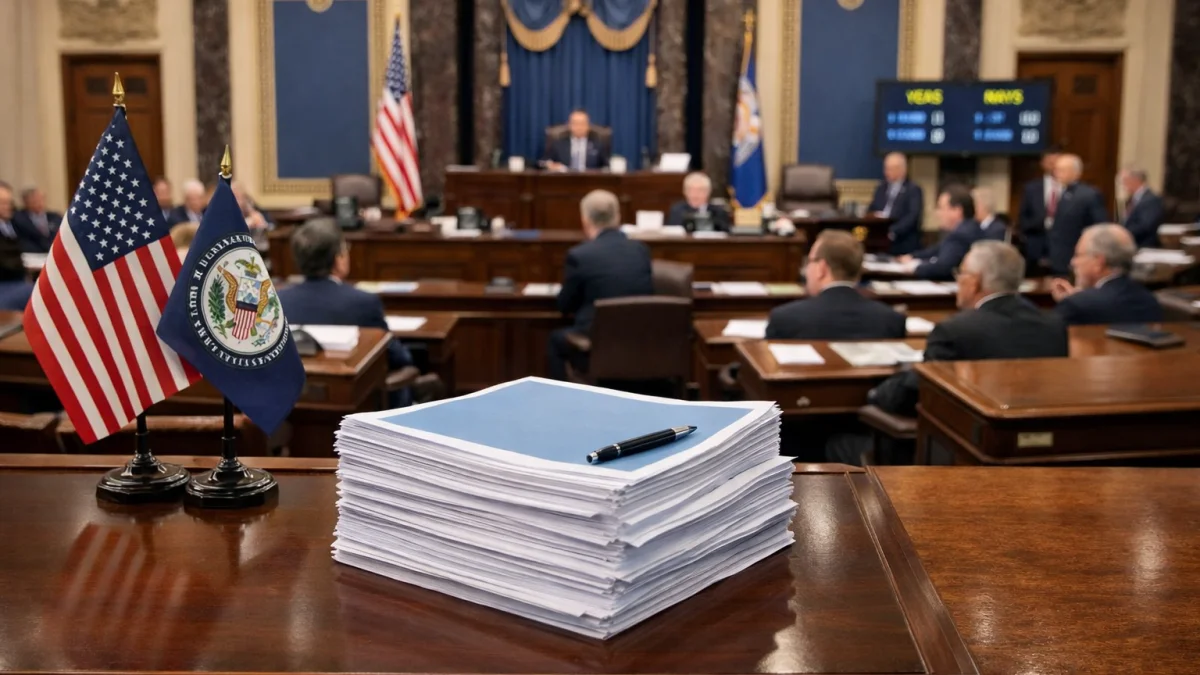
The Senate voted along party lines on June 5 to move forward with the measure, known in part as the Secure America Act, following delays after the Memorial Day recess. The roughly $70 billion package focuses primarily on bolstering resources for Immigration and Customs Enforcement (ICE) and components of Customs and Border Protection (CBP).


Senate Majority Leader John Thune and other Republican leaders have described the effort as essential to supporting border security and enforcement operations. The package aims to fund these agencies through the remainder of President Donald Trump's term.
Republicans are utilizing the budget reconciliation process, which allows passage with a simple majority in the Senate, bypassing the 60-vote filibuster threshold. The advancement follows earlier budget resolutions adopted in April that laid the groundwork for the legislation.
Internal Republican discussions included debates over additional provisions, such as funding related to an "anti-weaponization" initiative at the Justice Department. Some elements, including certain White House-related requests, were reportedly dropped or adjusted during negotiations.
Democrats have opposed the partisan approach, arguing it lacks accountability and prioritizes enforcement without broader reforms. Senate Democrats have criticized the package as providing a "blank check" for certain agencies.
The measure comes amid ongoing fiscal pressures and follows the passage of earlier reconciliation legislation in 2025. Republicans have highlighted the need to address border security as a core priority, while Democrats have called for comprehensive immigration reform.
Details on the exact allocation of funds and specific policy riders remain subject to further amendments and negotiations. The bill is expected to move to the House for consideration, where adjustments could be made.
As of Wednesday, no final vote on the full package had been scheduled in the Senate. Lawmakers from both parties continue discussions on the legislation as Congress works through its fiscal agenda.