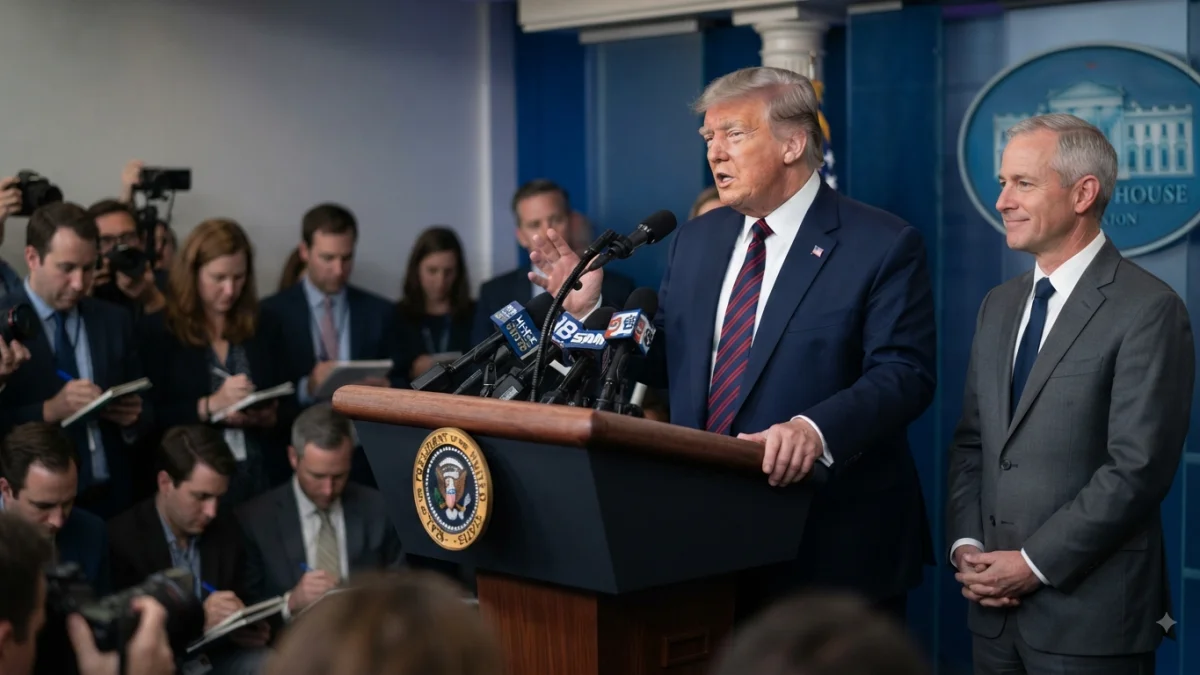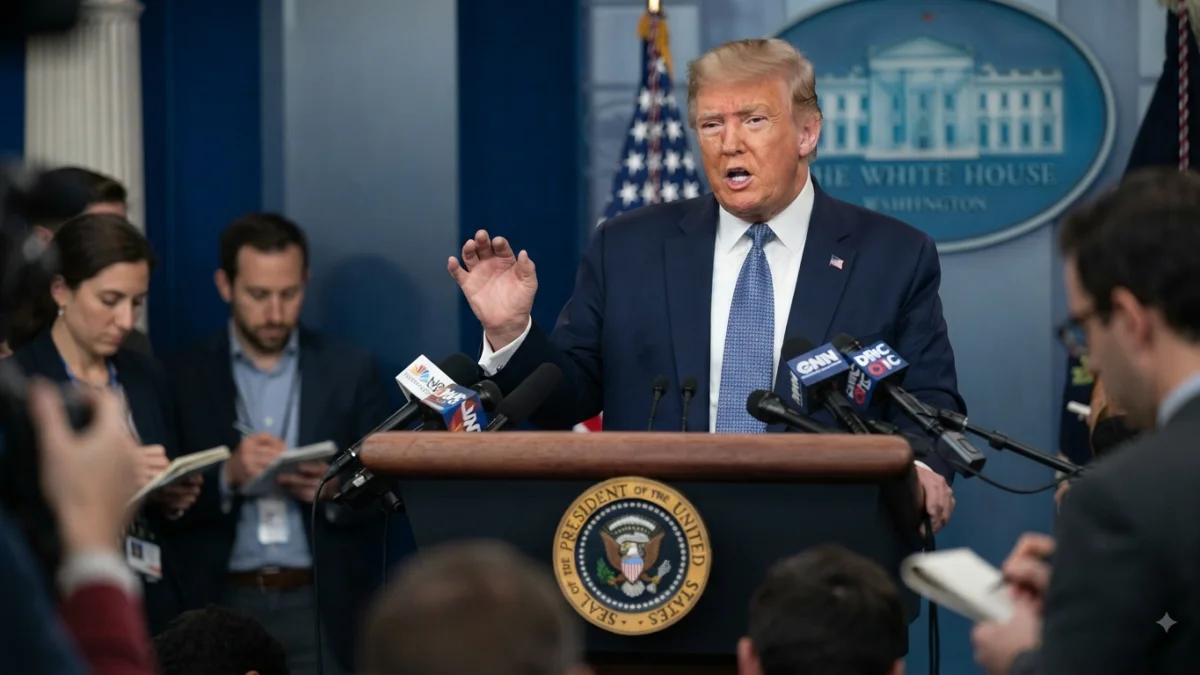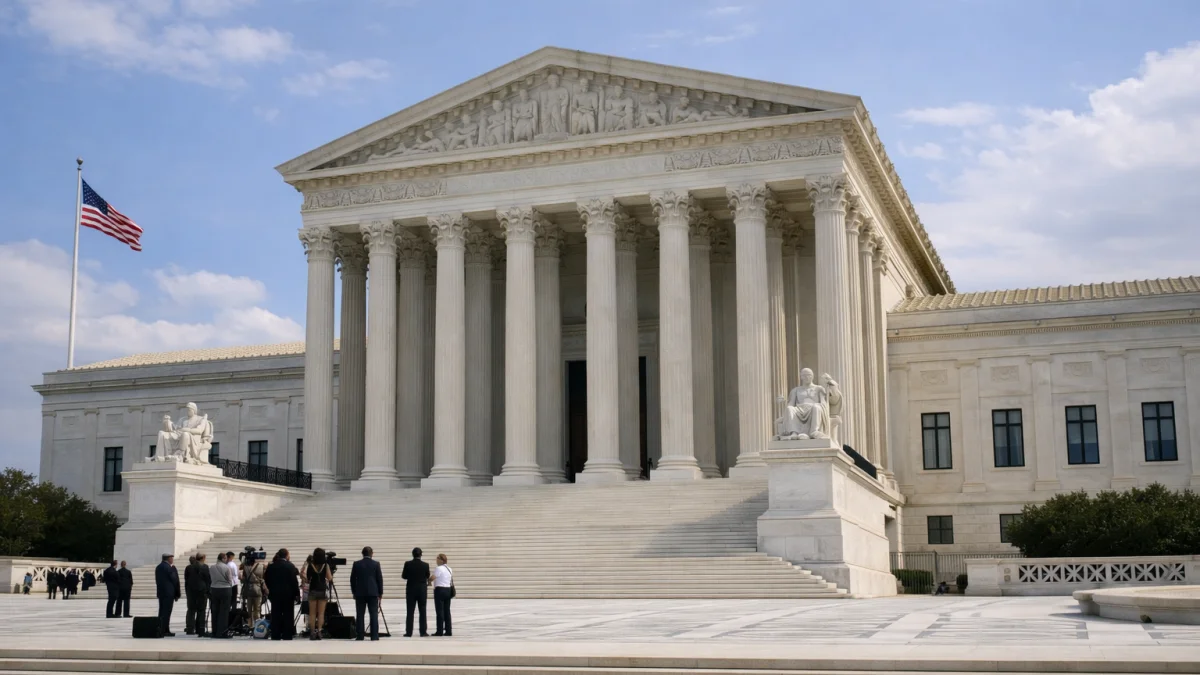


WASHINGTON — The U.S. Supreme Court is facing a heavy docket of cases related to President Donald Trump’s administration as the term nears its conclusion, with several high-profile disputes involving executive power still pending decisions, according to court records and legal observers.
Among the major cases are challenges to Trump’s efforts to end birthright citizenship, remove a Federal Reserve Board governor, limit removal protections for independent agency officials, and alter temporary protected status for certain immigrants. The court has already ruled in some Trump-related matters, including striking down aspects of his tariff policies.


The disputes test the boundaries of presidential authority. In *Trump v. Barbara*, the administration seeks to uphold an executive order limiting birthright citizenship for children of certain non-citizens. Oral arguments in April suggested the court appeared likely to rule against the policy.
In *Trump v. Cook*, the president’s attempt to fire Federal Reserve Governor Lisa Cook has drawn significant attention, with the court considering limits on removal powers for officials at independent agencies. A related case, *Trump v. Slaughter*, involves similar issues for Federal Trade Commission members.
The court has issued dozens of emergency orders connected to the Trump administration this term, reflecting the volume of litigation. As of early June, multiple applications remained pending or under consideration.
“These cases go to the core of separation of powers,” one legal expert familiar with the docket said, according to Reuters reporting.
The term has seen the court address issues from tariffs to immigration and regulatory authority. Some rulings have gone against the administration, prompting public criticism from Trump. Other cases, including those on temporary protected status for migrants from countries such as Haiti and Syria, remain unresolved.
Supporters of the administration’s positions argue the cases involve necessary exercises of executive discretion in areas like national security and economic policy. Opponents contend the actions exceed constitutional and statutory limits, raising concerns about checks and balances.
As of Saturday, the Supreme Court had not issued final opinions in the remaining major Trump-related cases. Decisions are expected in the coming weeks before the term ends, with further emergency applications possible. The court’s rulings could have significant implications for executive authority and ongoing policy initiatives.