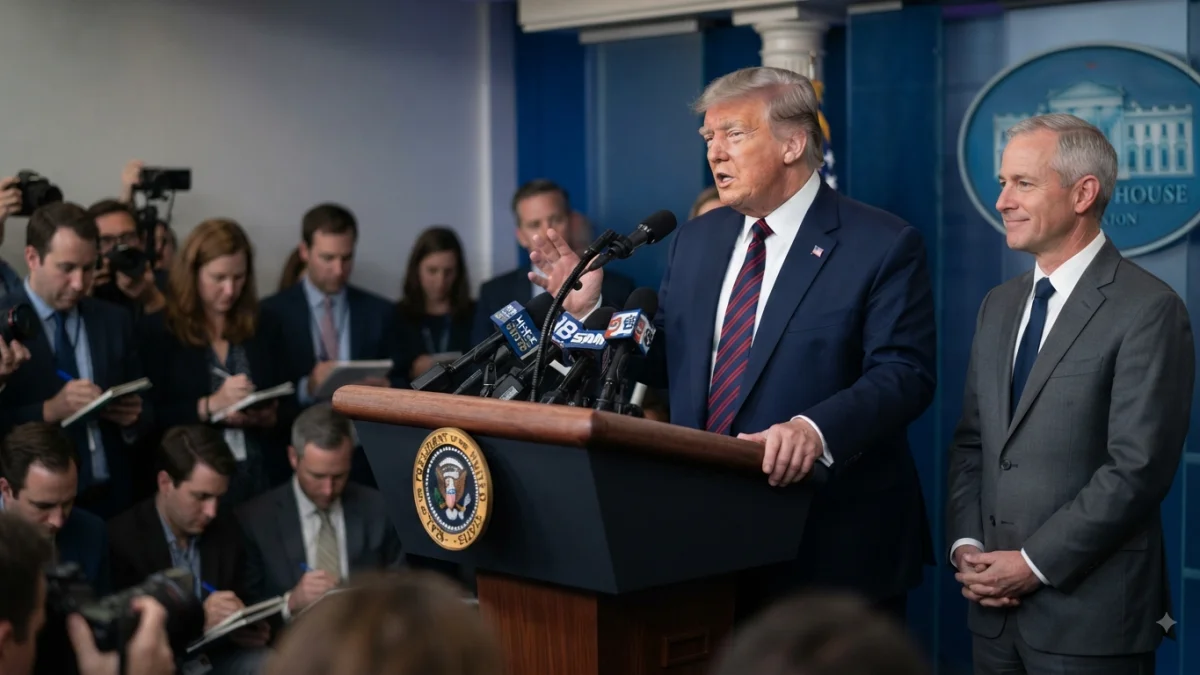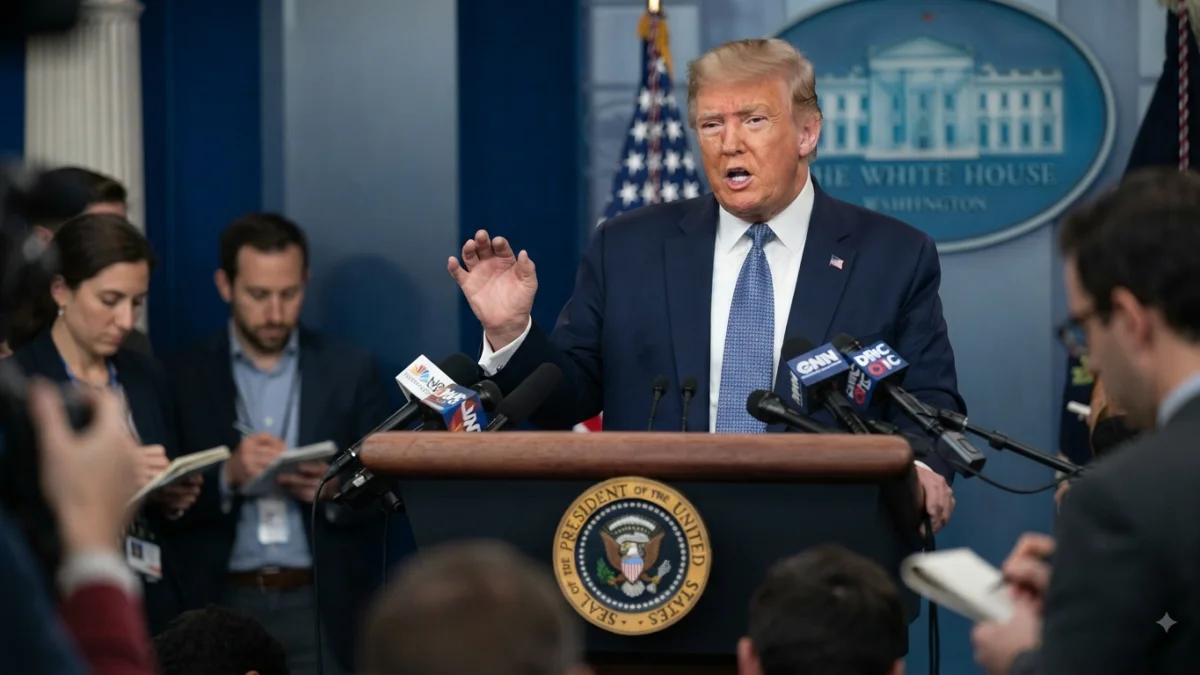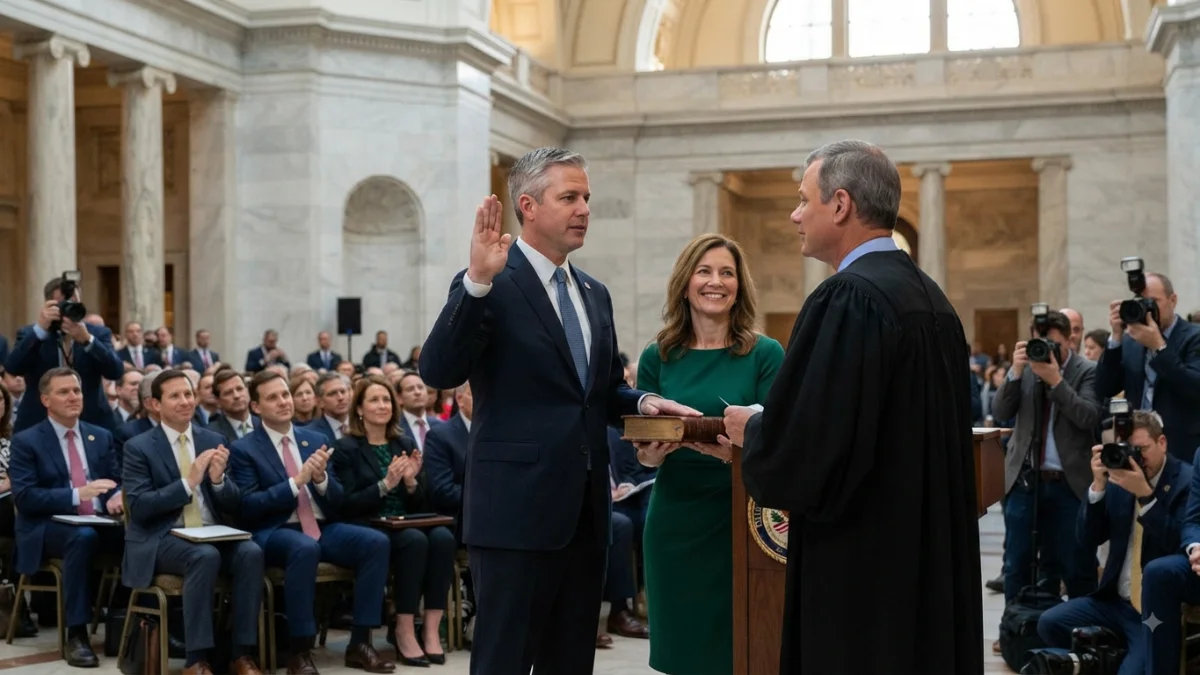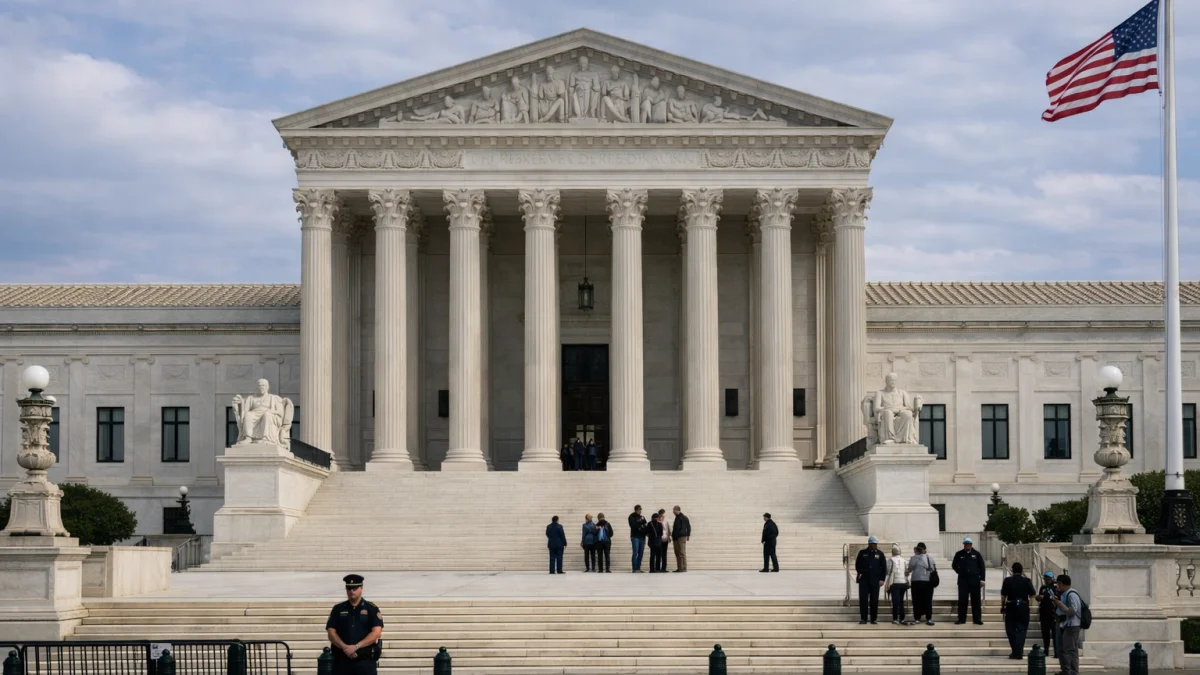


WASHINGTON — The U.S. Supreme Court on Tuesday rejected President Donald Trump’s bid to limit birthright citizenship, striking down an executive order that sought to deny automatic citizenship to children born in the United States to parents who are not citizens or legal permanent residents.
In a 6-3 decision, the court ruled that the Jan. 20, 2025, executive order violates the 14th Amendment’s Citizenship Clause, which has long been interpreted to grant citizenship to nearly everyone born on U.S. soil.


Chief Justice John Roberts, writing for the majority, affirmed that children born in the United States to parents present unlawfully or temporarily are “subject to the jurisdiction” of the United States and are citizens at birth under the Constitution.
The ruling upholds lower court decisions that had blocked the order, which was part of Trump’s broader immigration enforcement agenda. The administration had argued the order aligned with a narrower reading of the 14th Amendment, but the court disagreed.
Justices Clarence Thomas, joined by Neil Gorsuch, and Samuel Alito wrote dissents. Justice Brett Kavanaugh concurred in the judgment but offered a partial dissent on reasoning.
The decision comes as a significant setback for Trump, who signed the order on his first day back in office. It had never taken effect due to nationwide injunctions.
White House officials had no immediate comment. The ruling leaves in place the longstanding interpretation stemming from the Supreme Court’s 1898 decision in United States v. Wong Kim Ark.
The case, Trump v. Barbara, was brought by challengers including the ACLU on behalf of affected families. Details on next steps from the administration or Congress were not immediately available.
The story is developing.