

WASHINGTON — The Trump administration has moved to end Temporary Protected Status (TPS) for nationals of Haiti and Syria, setting off a legal battle that could affect hundreds of thousands of immigrants who have been living and working legally in the United States under the humanitarian program.
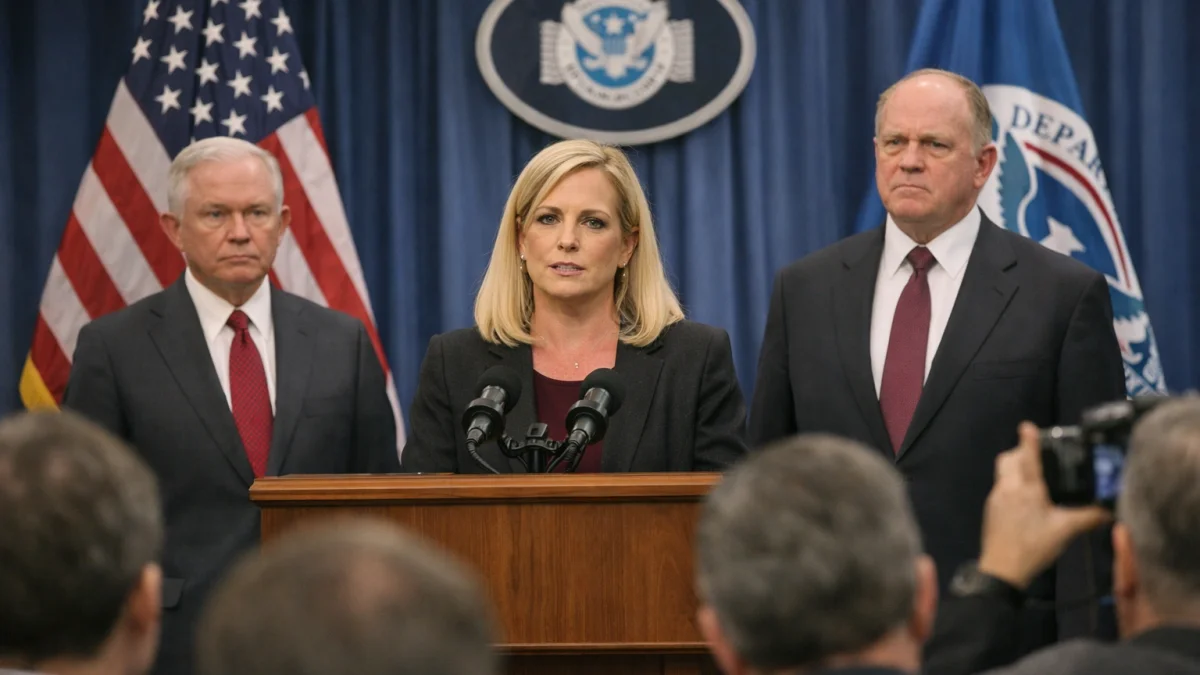
The administration, through the Department of Homeland Security (DHS), previously announced the termination of TPS for Haiti and sought to revoke protections for Syrians, arguing that conditions in both countries no longer justified continued designation under the program. DHS Secretary Kristi Noem said the department had reviewed country conditions and determined that statutory requirements for TPS were no longer being met.


TPS allows eligible nationals of countries affected by armed conflict, natural disasters or other extraordinary conditions to remain temporarily in the United States and obtain work authorization. The program does not provide a pathway to permanent residency or citizenship and is subject to periodic review by the federal government.
The administration’s actions have been challenged in federal court. Judges blocked efforts to immediately terminate protections for Haitians and Syrians, allowing beneficiaries to retain their status while litigation proceeds. In March, the U.S. Supreme Court agreed to hear cases involving the administration’s attempt to end TPS for more than 350,000 Haitians and about 6,000 Syrians. The justices left lower-court orders in place pending a final ruling.
During oral arguments in April, administration lawyers argued that federal law grants broad authority to the executive branch to designate and terminate TPS. Attorneys representing TPS holders contended that the government failed to follow required procedures and did not adequately assess current conditions in Haiti and Syria before seeking to end the protections.
A DHS spokesperson previously defended the administration’s approach, saying, “This decision restores integrity in our immigration system and ensures that Temporary Protected Status is actually temporary.” The department has also encouraged affected individuals to seek other lawful immigration options if eligible.
Immigrant advocacy groups and attorneys representing TPS recipients have argued that conditions remain dangerous in both countries. They cite ongoing instability in Haiti and continuing security concerns in parts of Syria as reasons for maintaining the protections.
The dispute comes as the administration pursues broader immigration enforcement measures and reviews humanitarian programs established or expanded by previous administrations. TPS has been a particular focus of those efforts.
As of Friday, TPS protections for Haitian and Syrian beneficiaries remained in effect under court orders while the Supreme Court considers the legality of the administration’s actions. A decision is expected later this year, though the timing remains subject to the court’s schedule.