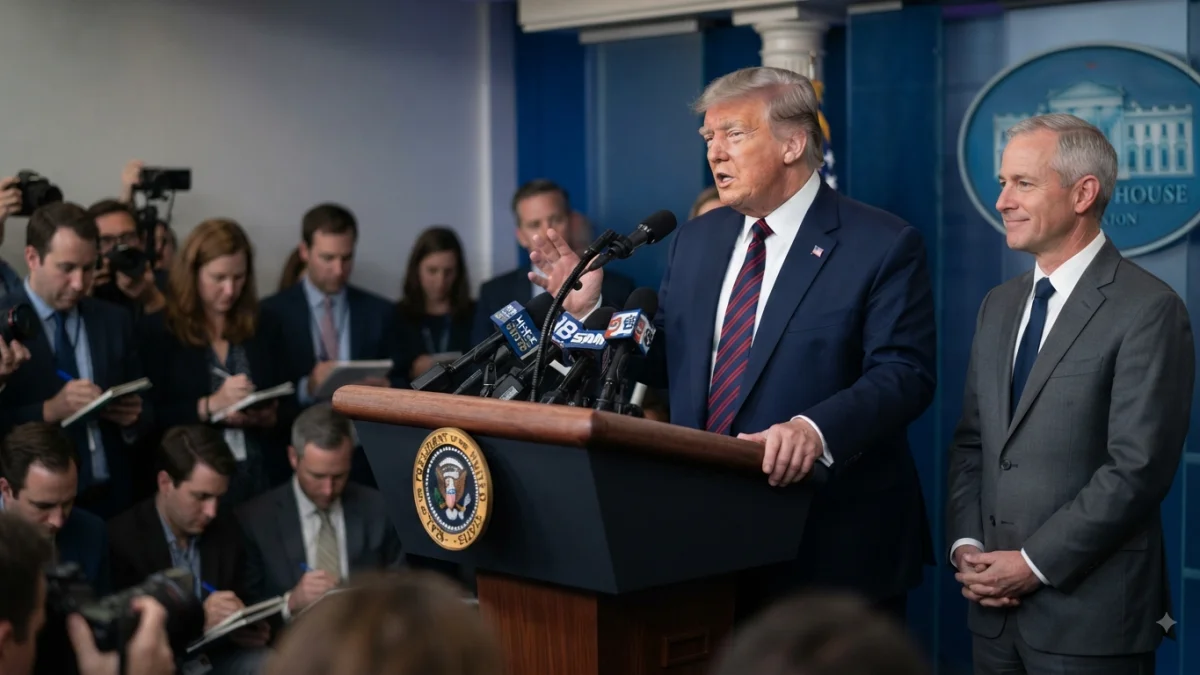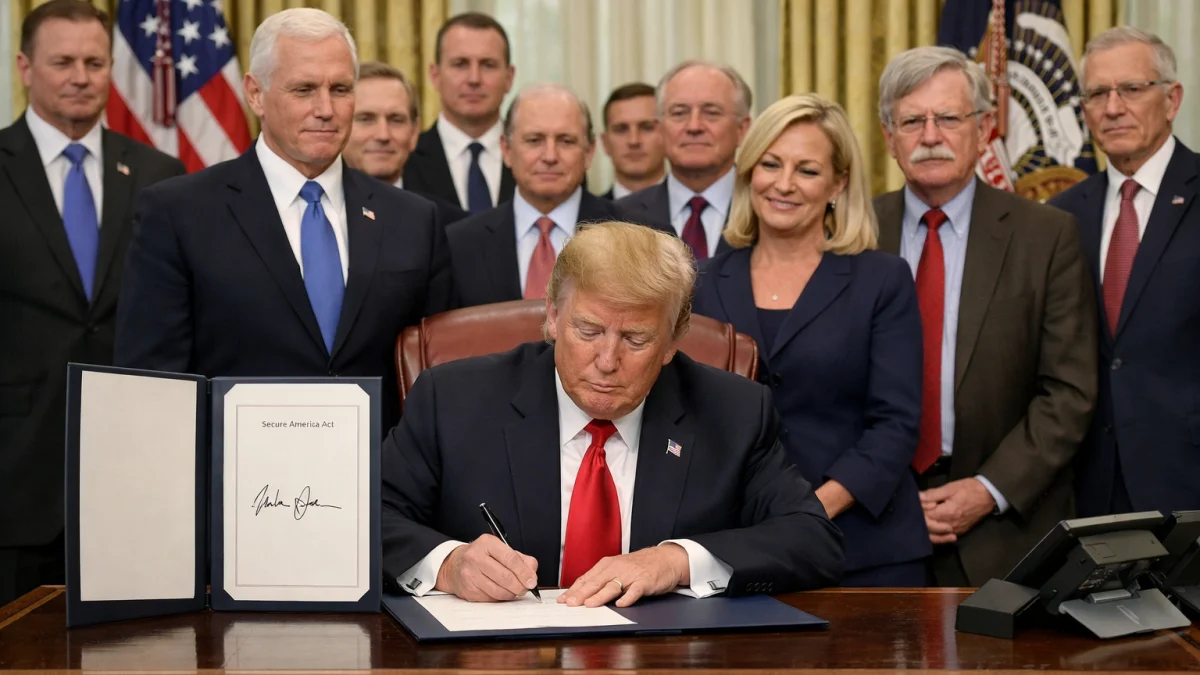


WASHINGTON — President Donald Trump signed the Secure America Act into law on June 10, providing long-term funding for federal immigration enforcement agencies after months of debate in Congress over border security and Department of Homeland Security funding, the White House said.
The legislation, designated as S. 2, funds the Department of Homeland Security, including U.S. Customs and Border Protection (CBP) and U.S. Immigration and Customs Enforcement (ICE), through fiscal year 2029 for immigration enforcement and related activities, according to a White House statement released after the signing.


The measure passed Congress largely along party lines. The Senate approved the bill earlier in June, and the House of Representatives narrowly passed it on June 9 before sending it to Trump's desk. Republican lawmakers described the legislation as necessary to ensure continued operations at border and immigration agencies, while Democratic lawmakers criticized the measure and opposed its passage.
According to Reuters and congressional statements, the legislation provides approximately $70 billion in funding for immigration enforcement programs. Funding includes allocations for ICE, CBP and other Homeland Security activities through the remainder of Trump's current term in office.
In a statement released by the White House, Trump said he was “thrilled to sign the Secure America Act” and described the measure as a means to fully fund the Department of Homeland Security through the end of his term.
Supporters of the legislation, including Republican congressional leaders and law enforcement organizations cited by the White House, said the funding would strengthen border operations, combat human trafficking, disrupt transnational criminal organizations and support immigration enforcement efforts.
Democratic lawmakers and immigration advocacy groups opposed the bill, arguing that it provides extensive resources for immigration enforcement without sufficient oversight measures. Critics also pointed to broader concerns about enforcement practices and accountability within federal immigration agencies.
The legislation followed a prolonged political dispute over Homeland Security funding. Congressional debate earlier this year contributed to a partial funding impasse affecting DHS operations, according to lawmakers and media reports.
As of Saturday, federal agencies were preparing to implement the funding authorized under the law. The White House and congressional leaders said the measure ensures continued financing for immigration enforcement and border security programs through fiscal year 2029, while opponents indicated they would continue pressing for policy and oversight changes through future legislative efforts.