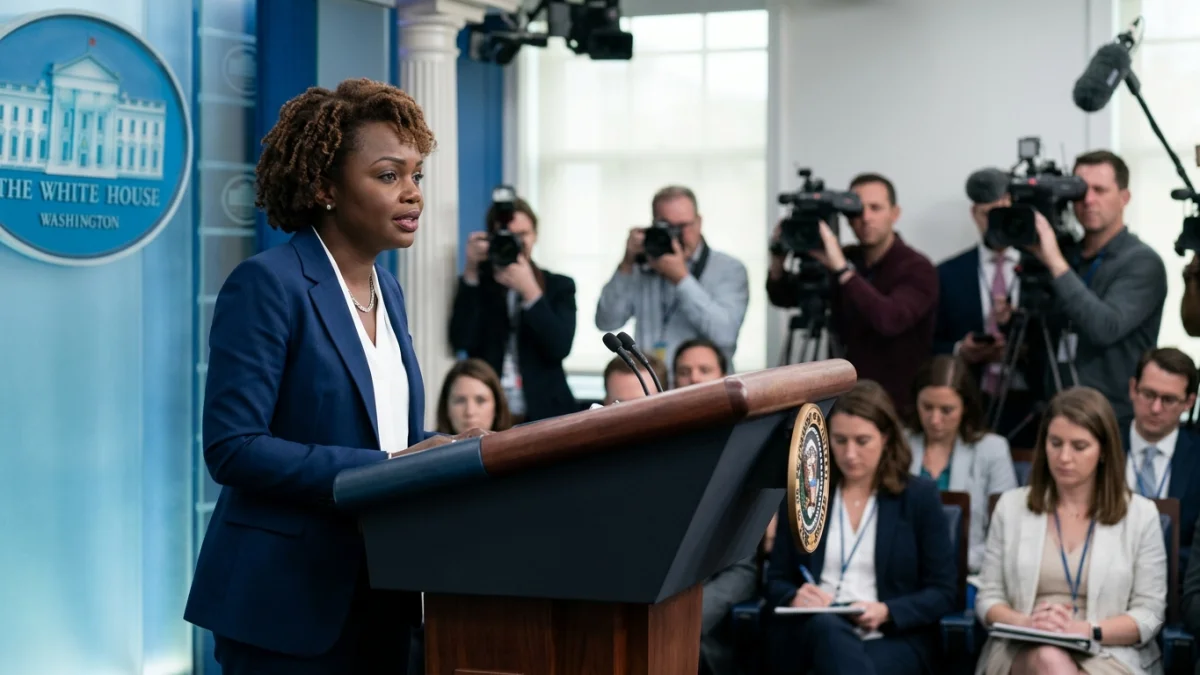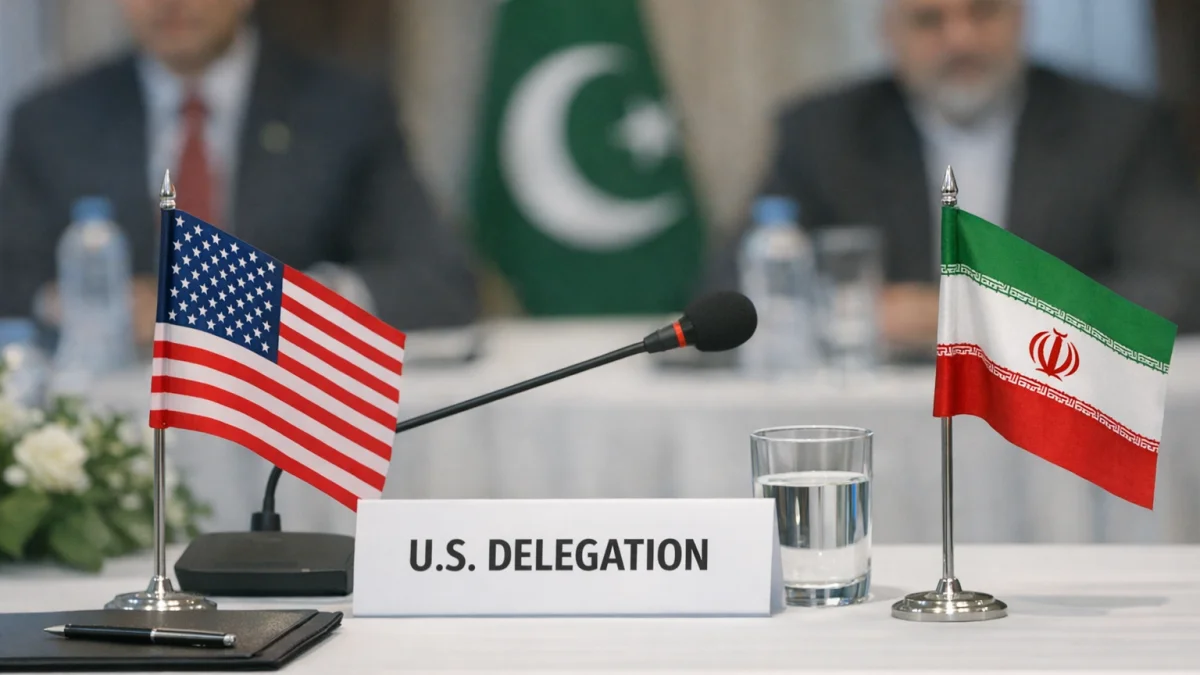


WASHINGTON — U.S. President Donald Trump announced on Sunday that an American delegation would travel to Islamabad for a new round of talks with Iran aimed at addressing a fragile ceasefire, even as Iranian officials indicated they had no plans to participate.
Trump said in a social media post that his representatives would arrive in the Pakistani capital on Monday evening, April 20, 2026, for negotiations. He accused Iran of violating the ceasefire agreement, which is set to expire soon. Vice President JD Vance is expected to lead the U.S. delegation, accompanied by special envoy Steve Witkoff and Jared Kushner, according to U.S. officials.


The announcement follows an earlier round of talks in Islamabad earlier in April that ended without a breakthrough. Those discussions, also mediated by Pakistan, involved demands including restrictions on Iran's nuclear program. The current ceasefire has been strained by mutual accusations of violations, including Iran's reimposition of restrictions on shipping in the Strait of Hormuz and the U.S. naval blockade of Iranian ports.
On Sunday, the U.S. Navy seized an Iranian-flagged cargo ship near the Strait of Hormuz after it ignored warnings, an action Iran described as a ceasefire violation. Trump separately confirmed the interception in public statements.
Iranian state media reported on Sunday that Tehran had no plans to send a delegation to new talks in Islamabad. Iranian officials accused the United States of breaching the ceasefire and said any negotiations would require the lifting of the U.S. blockade. Details of Iran's exact position remained unclear as of Monday.
Pakistani officials have not issued immediate comments on the planned talks. The first round of negotiations in Islamabad involved indirect and direct sessions over more than 20 hours but concluded with the U.S. side departing without an agreement.
Trump did not provide specifics on the agenda for the new round or expected outcomes. U.S. officials have emphasized the need for Iran to halt nuclear development, while Iran has demanded an end to sanctions and the blockade.
As of Monday, no confirmation had emerged of an Iranian delegation traveling to Islamabad. The White House has not released a full list of U.S. participants beyond the named individuals. Further updates on the status of the talks or any meetings were not immediately available.
The situation in the region remains tense, with ongoing restrictions on maritime traffic through the Strait of Hormuz affecting global energy supplies. Both sides continued public statements accusing the other of undermining the ceasefire.