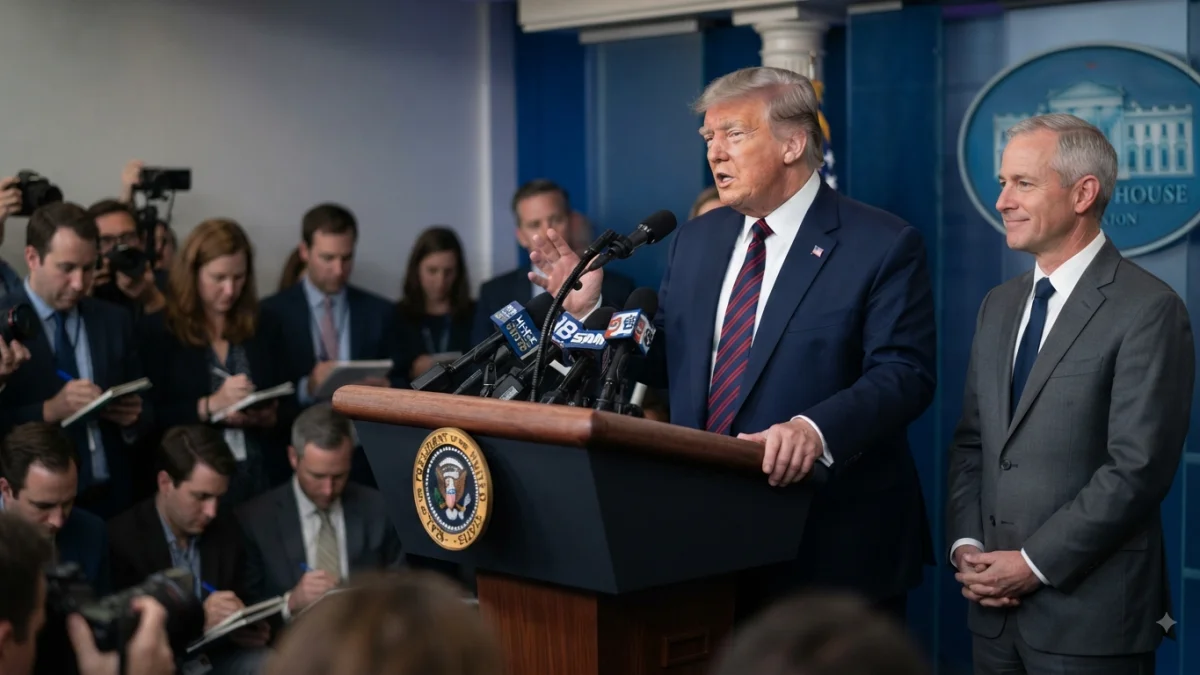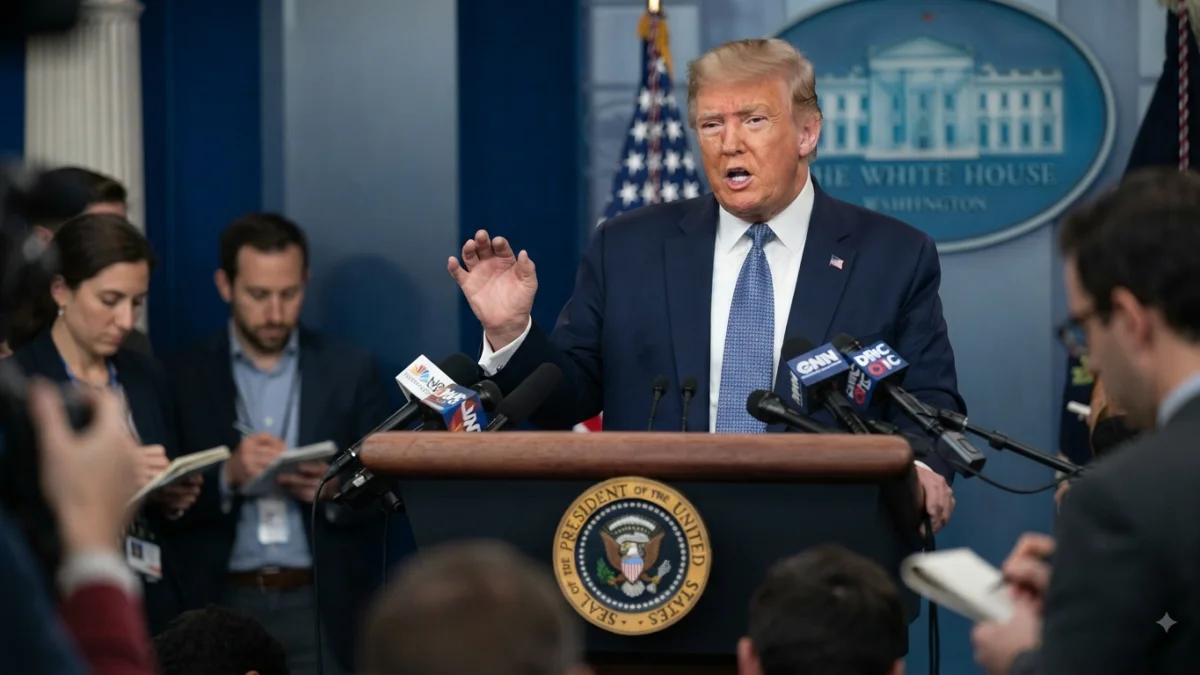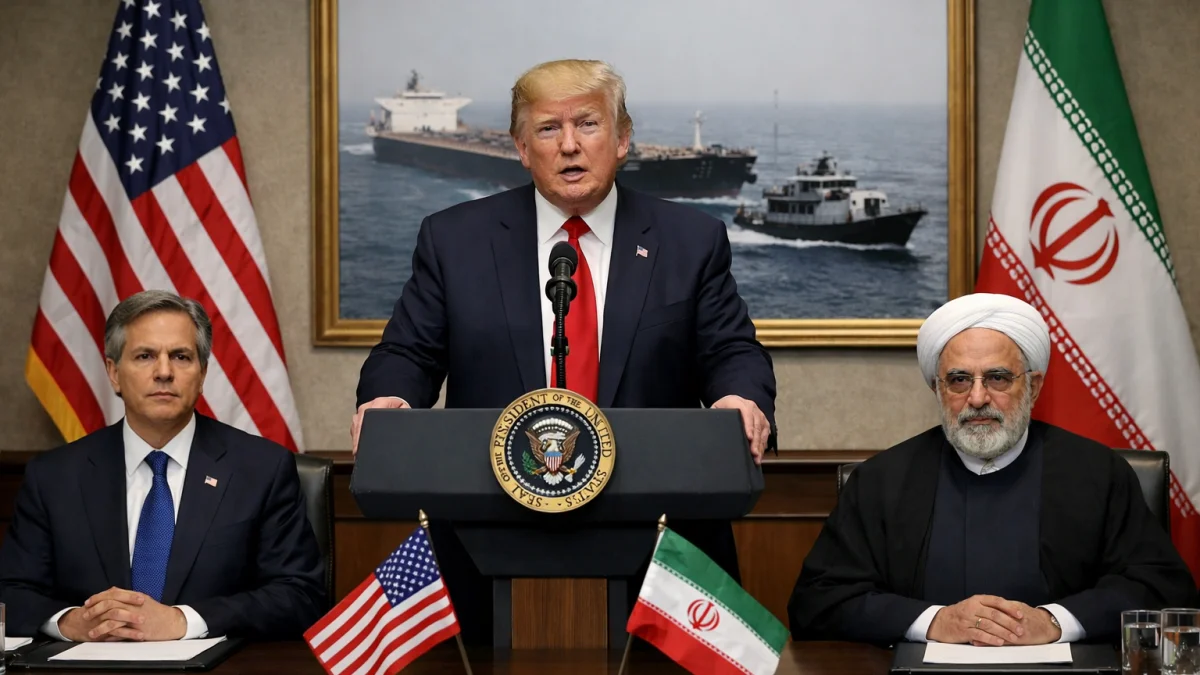


WASHINGTON — U.S. President Donald Trump announced on Sunday that Washington had reached an agreement with Iran to reopen the Strait of Hormuz, a critical waterway for global energy shipments that had been effectively closed during months of conflict.
Trump said in a Truth Social post that the deal with Iran was "now complete," authorizing the immediate removal of the U.S. naval blockade on Iranian ports and the toll-free reopening of the strait. "Ships of the World, start your engines. Let the oil flow!" he wrote.


Iranian officials confirmed aspects of the agreement, with state media reporting that a memorandum of understanding had been finalized. Details of the full text remained limited on Monday.
The accord halts hostilities for an initial 60-day period and commits Iran to clearing mines from the strait, allowing commercial shipping to resume, according to U.S. and Iranian officials briefed on the talks. In exchange, the United States is to lift its blockade. Negotiations on Iran's nuclear program are expected to follow.
The Strait of Hormuz, which links the Persian Gulf to the Gulf of Oman, had been a flashpoint in the conflict that escalated earlier in 2026. Before the disruptions, it carried about one-fifth of global oil and liquefied natural gas shipments. Its closure contributed to sharp rises in energy prices worldwide.
Trump described the agreement as preventing Iran from obtaining nuclear weapons. Iranian state media portrayed the outcome more cautiously, with one official claiming Tehran had achieved its objectives in the talks.
The announcement followed weeks of indirect negotiations involving mediators from countries including Qatar, Pakistan, Saudi Arabia and Turkey. A formal signing ceremony is expected in Switzerland on Friday, according to multiple reports.
World leaders welcomed the development. European nations, including the U.K., signaled support for sanctions relief and urged rapid implementation to restore navigation in the strait. Japanese officials also expressed hope for stability.
Questions remain about enforcement and the positions of other parties involved in the broader regional conflict, including Israel, which has conducted operations in Lebanon. Details on the precise timeline for reopening the strait and any verification mechanisms were not immediately clear.
Oil prices fell following the announcement as markets anticipated resumed flows.
As of Monday, U.S. officials said implementation steps were underway, though the situation in the region remained fluid.