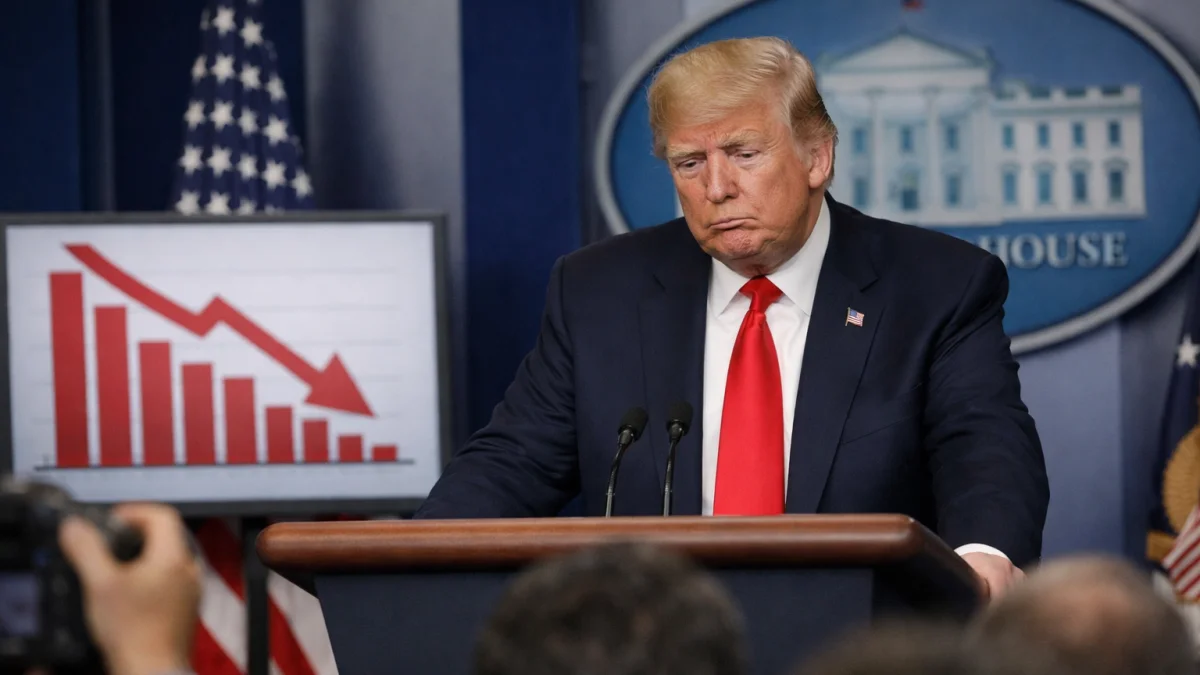


WASHINGTON — President Donald Trump's approval rating has fallen to one of the lowest levels of his political career as the United States moves toward the 2026 midterm elections, according to several recent national polls, with surveys showing continued voter dissatisfaction over the economy, cost-of-living concerns and foreign policy issues.
A Reuters/Ipsos poll conducted June 12-15 found that 36% of Americans approved of Trump's job performance, while a Reuters/Ipsos survey completed earlier in June recorded a 35% approval rating, near the lowest level of his second term. Reuters reported that the figures were only slightly above the 34% rating recorded in April, which represented the lowest approval level measured during his current term.


The latest polling comes less than five months before congressional elections that will determine control of the U.S. House of Representatives and influence the balance of power in Washington. Public opinion surveys have shown that economic issues remain the dominant concern among voters.
According to Reuters/Ipsos, only about one-quarter of respondents approved of Trump's handling of the cost of living, while a substantial majority disapproved. The poll indicated that inflation and fuel prices remained major concerns despite some recent easing in gasoline costs following diplomatic efforts related to Iran.
Other surveys have reported similarly weak ratings. A Fox News poll conducted in mid-June found Trump's approval rating at 39%, down from a year earlier, while trust in the federal government fell to a record low in that survey. The poll also found broad dissatisfaction with economic conditions among voters.
Polling organizations have cited concerns about affordability, inflation and foreign policy among the factors weighing on public sentiment. Reuters reported that Trump entered his second term in January 2025 with approval ratings near the upper 40% range before support gradually declined over the following months.
The White House has defended the administration's record. Trump has repeatedly argued that his economic policies will lower costs and stimulate growth, while administration officials have pointed to recent declines in gasoline prices and ongoing negotiations aimed at easing international tensions.
“We're doing very well,” Trump said in recent public remarks cited by multiple news outlets, maintaining that economic conditions would continue to improve.
Democratic leaders have pointed to the polling as evidence of voter frustration and have argued that Republican candidates could face challenges in competitive congressional districts. Republican officials, meanwhile, have emphasized that polling more than four months before Election Day does not determine election outcomes.
As of Sunday, national polls continued to show Trump's approval rating below his inauguration levels. While individual surveys vary in methodology and results, recent polling has consistently indicated that more Americans disapprove than approve of the president's performance heading into the midterm campaign season.