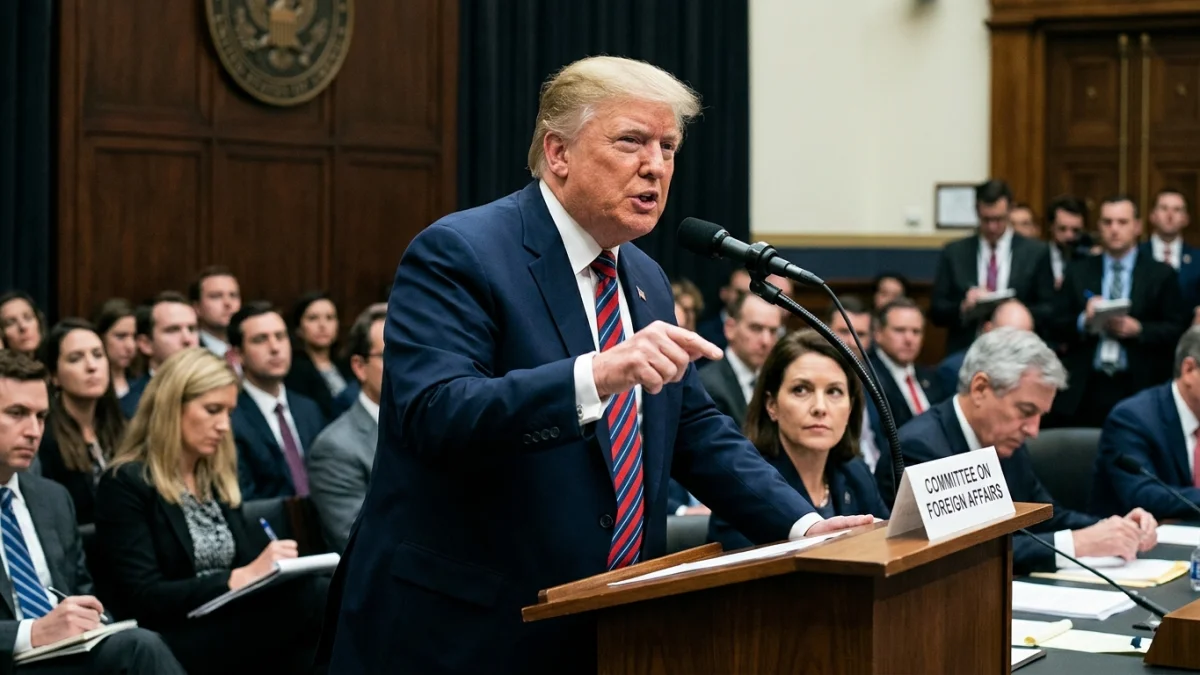


WASHINGTON — U.S. President Donald Trump has demanded that Iran pay compensation for people killed or seriously wounded in conflicts and attacks that he attributes to Tehran, adding a new condition to already stalled efforts to reach an agreement with Iran and reopen the Strait of Hormuz.
Trump said on Aug. 10 that he had instructed U.S. representatives to seek compensation for people killed or gravely wounded by Iran, including U.S. service members, and for families of protesters killed during unrest in Iran. His remarks came after Iran demanded compensation from the United States for damage caused by the war and called for sanctions relief and the release of frozen assets.


Trump has also cited deaths and injuries from what he described as Iranian involvement in roadside bomb attacks and other conflicts. Some of the historical incidents he referenced remain disputed. The 2000 bombing of the USS Cole, for example, was attributed by U.S. authorities to al Qaeda rather than Iran.
The competing compensation demands have complicated efforts to revive a preliminary U.S.-Iran agreement reached in June. That framework had envisaged an end to the war and steps toward reopening the Strait of Hormuz, but the arrangement later unraveled and the two sides have since struggled to agree on conditions for a broader settlement.
Iran has maintained that the Strait, a major route for global oil and gas shipments, should remain closed unless Washington meets its demands, including lifting sanctions and addressing war-related damages. Tehran has separately been negotiating with Oman over arrangements for managing shipping through the waterway, but Iranian officials have said an agreement with Oman alone would not be sufficient to reopen the strait.
The standoff has continued to weigh on shipping and energy markets. Reuters reported that only six vessels passed through the Strait of Hormuz on Aug. 10, far below pre-war traffic levels, as expectations for a U.S.-Iran agreement weakened.
The United States has meanwhile maintained a naval blockade around Iranian ports. Defense Secretary Pete Hegseth said on Aug. 13 that the U.S. Navy could sustain the blockade indefinitely by rotating forces in and out of the region.
As of Aug. 14, no agreement resolving the competing compensation demands or restoring normal shipping through the Strait of Hormuz had been confirmed.