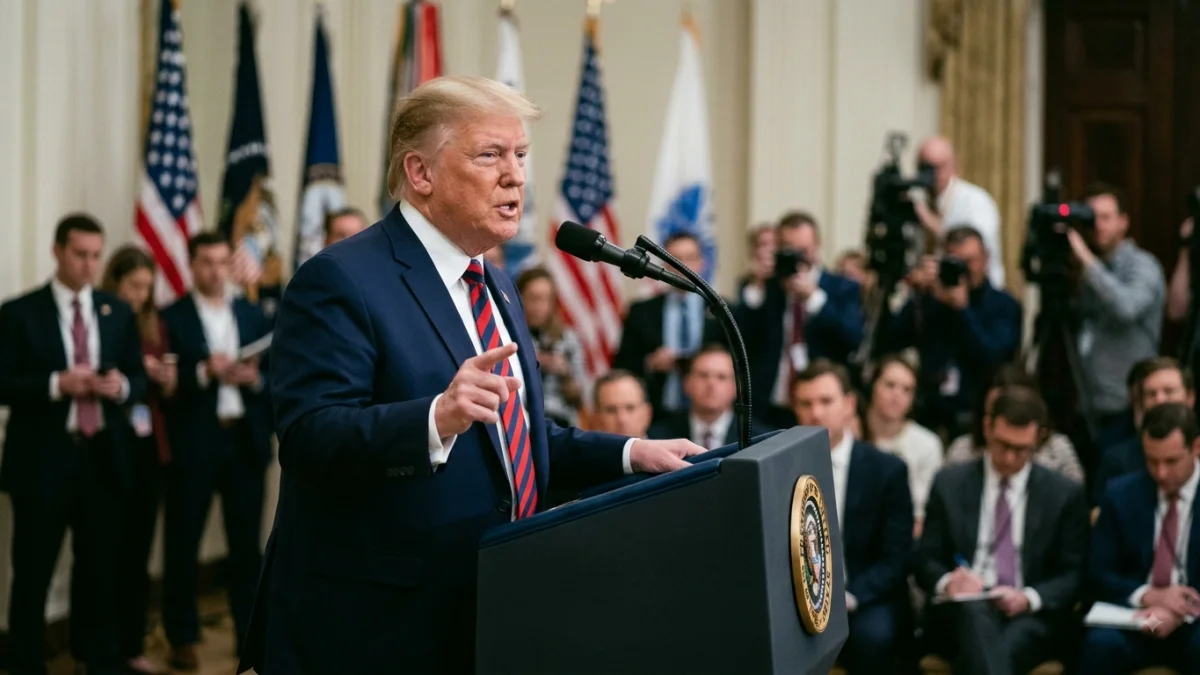


WASHINGTON — U.S. President Donald Trump has demanded that Iran compensate victims of conflicts and attacks attributed to Tehran, including American service members and Iranian protesters, adding a new condition to already stalled negotiations over the future of the Strait of Hormuz.
Trump made the demand on Monday after Iranian representatives sought compensation for damage caused by the five-month military conflict, according to reports and Trump's public statements. He said he had instructed U.S. representatives to include compensation in any future negotiations.


Trump said Iran should pay for people he said were killed or seriously wounded by Iranian attacks and in conflicts involving Tehran. He also called for compensation for families of protesters killed during decades of repression in Iran. In his statement, Trump cited attacks involving roadside bombs and the 2010 killing of Iranian military commander Qassem Soleimani, as well as the 2000 bombing of the USS Cole.
The claims are part of a broader dispute over reparations that has emerged as Washington and Tehran seek a framework for ending the conflict and addressing the closure of the Strait of Hormuz, a vital route for global energy shipments.
Iran has made reopening the waterway conditional on U.S. concessions, including compensation for war damage, according to reporting on the negotiations. Trump has rejected Tehran's demands while countering them with his own compensation request.
The White House has previously accused Iran of killing and wounding Americans through its own forces and proxy groups and has also accused the Iranian government of violently suppressing protesters. In March, the administration said Iran had killed thousands of protesters, while providing broader allegations about Iranian attacks on U.S. citizens and military personnel.
Trump's latest demand comes as negotiations remain unresolved. The two sides have been discussing a possible arrangement that could address the conflict, Iran's nuclear program and the status of the Strait of Hormuz, but significant differences remain.
The compensation issue adds another point of contention to talks already complicated by competing demands over sanctions, security guarantees and control of the strategic waterway. Reuters reported that prospects for an agreement had dimmed following the latest exchange of demands.
No compensation agreement has been reached, and it was not immediately clear what financial amount Washington would seek or how the demand would be incorporated into any future settlement.