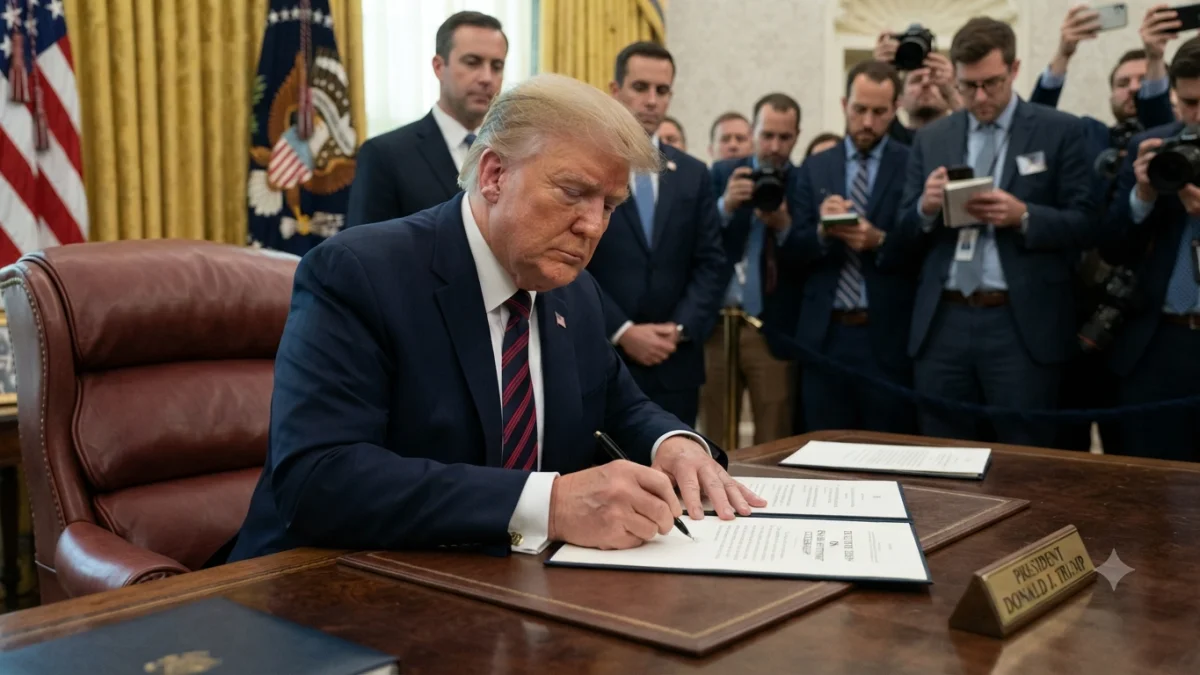


WASHINGTON — U.S. President Donald Trump has signed two executive orders seeking to restrict birthright citizenship, renewing his administration’s effort to narrow citizenship rights for some children born in the United States despite a Supreme Court ruling that rejected his earlier attempt.
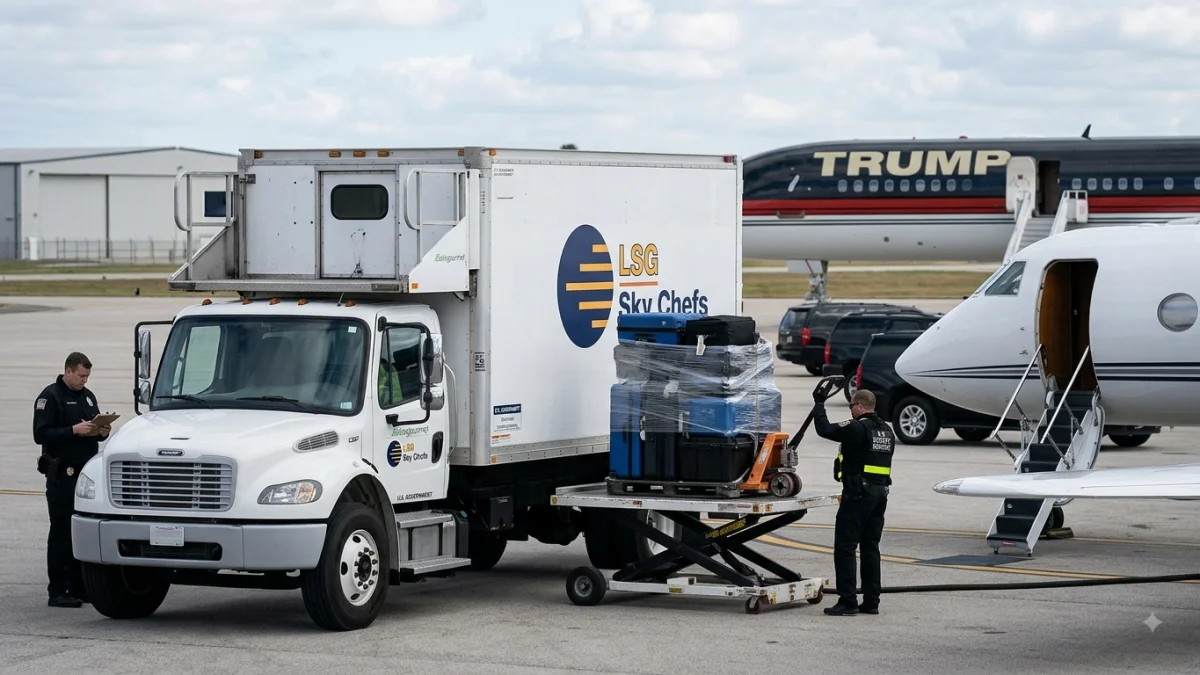
Trump signed the orders on Thursday, targeting what his administration calls “birth tourism” as well as children whose parents fall into certain categories involving foreign governments or groups designated as terrorist organizations. One order directs the government to restrict entry for people suspected of traveling to the United States for the purpose of giving birth, while the other seeks to expand categories of children who would not receive citizenship documents.


The move follows a June 30 Supreme Court ruling that rejected Trump’s earlier executive order seeking to deny citizenship to children born in the United States when neither parent was a U.S. citizen or lawful permanent resident. The court ruled 6-3 that the earlier order was unlawful and inconsistent with the 14th Amendment’s Citizenship Clause.
The new orders are narrower and rely on the administration’s interpretation of longstanding exceptions to birthright citizenship. They address children of certain foreign government employees, people classified as alien enemies and other specified categories. The order does not apply when at least one parent is a U.S. citizen, according to CBS News.
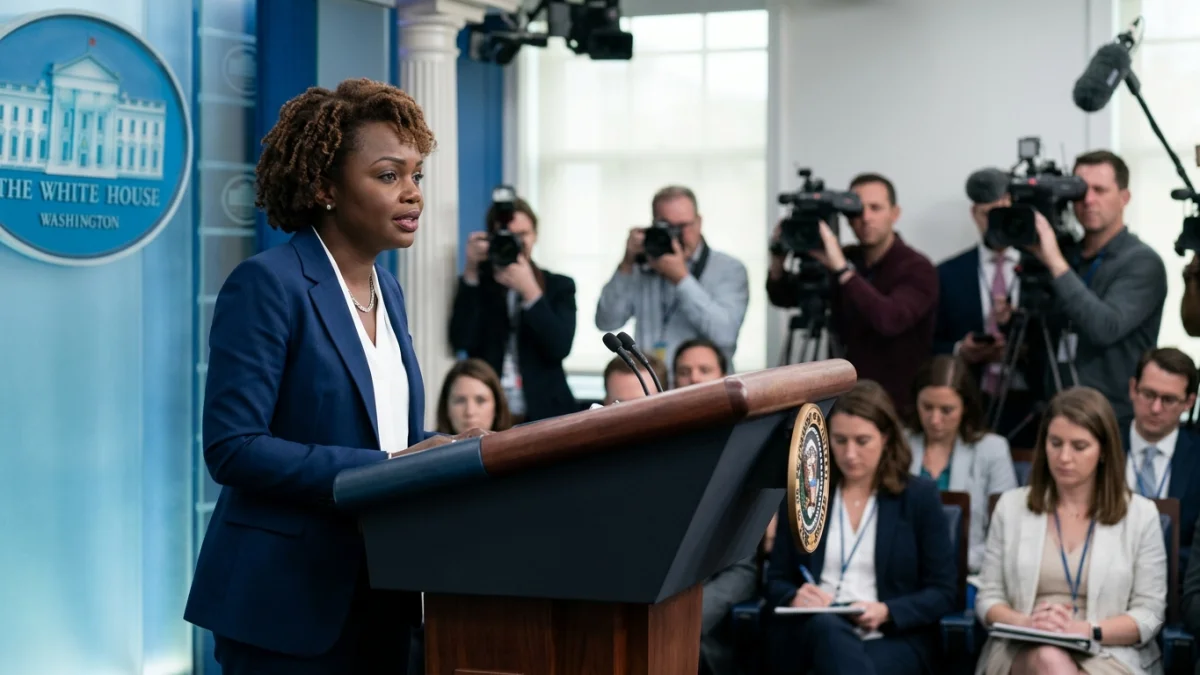
White House officials have argued that the new measures fall outside the scope of the Supreme Court’s decision. Deputy Chief of Staff Stephen Miller said the administration was banning birth tourism, which he described as foreigners entering the United States under false pretenses to give birth and obtain citizenship for their children.
Trump said the Supreme Court’s June decision was “very unfortunate” and expressed confidence that the new orders would withstand constitutional scrutiny.
The 14th Amendment, ratified in 1868, provides that people born or naturalized in the United States and subject to its jurisdiction are U.S. citizens. The Supreme Court has recognized narrow historical exceptions, including children of foreign diplomats.
Civil rights groups have opposed the new orders. The American Civil Liberties Union said the Supreme Court had already established birthright citizenship as a constitutional guarantee and predicted the measures would face defeat in court.
The orders are expected to face legal challenges, leaving their implementation subject to further court proceedings.