

WASHINGTON — President Donald Trump said this week that inflationary pressures in the United States would ease once the conflict involving Iran comes to an end, linking recent price increases to disruptions in global energy markets and expressing confidence that costs would decline if hostilities subside.
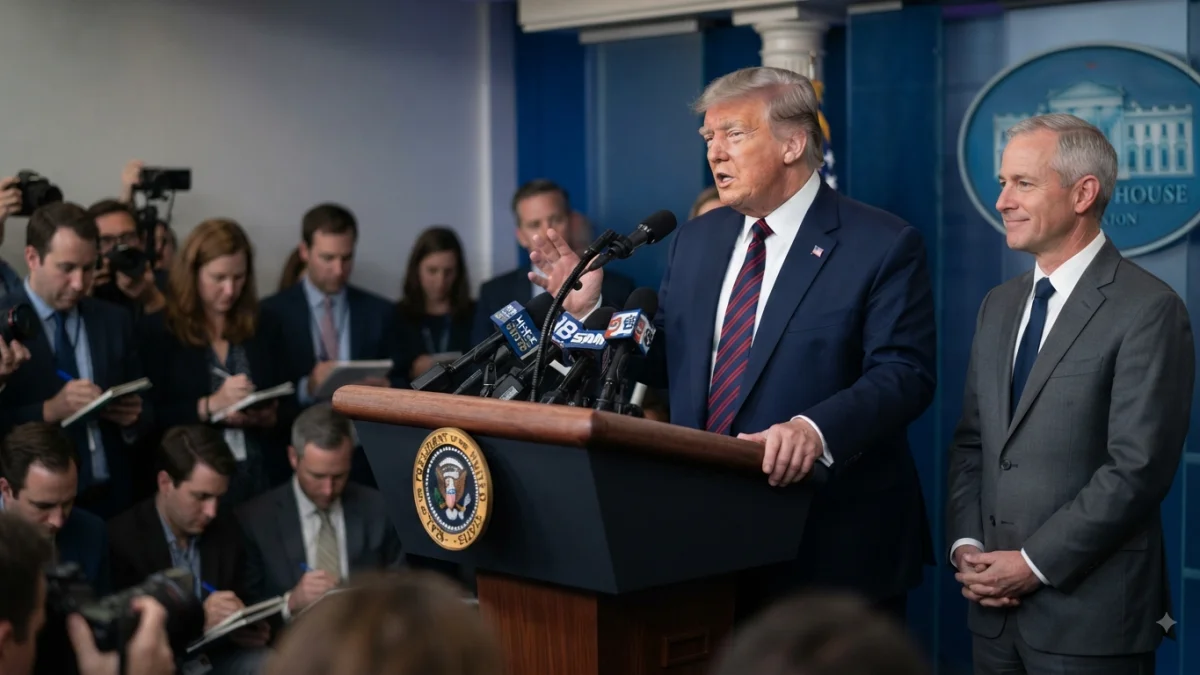
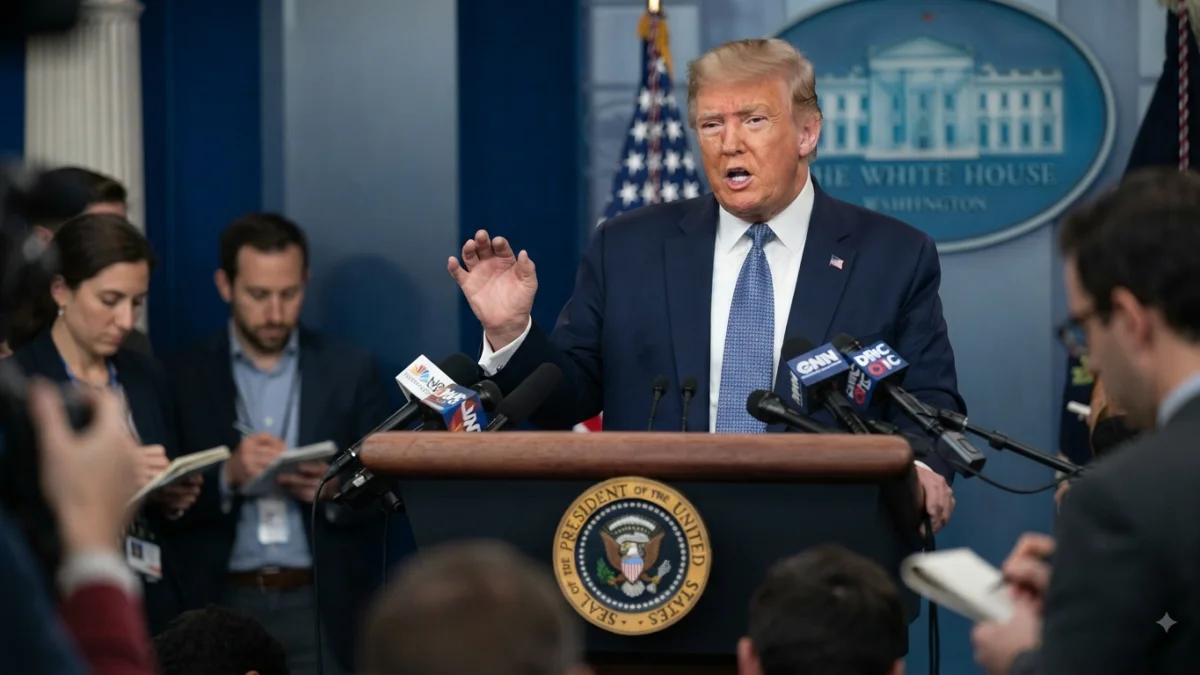
Trump made the remarks on Wednesday after government data showed consumer prices rose at their fastest annual pace in about three years. Asked by reporters whether higher inflation could create political challenges for Republicans ahead of November’s midterm elections, Trump dismissed the concerns and argued that current price pressures were tied to the conflict with Iran.


“I love the inflation,” Trump told reporters at the White House before elaborating that he expected prices to fall after the conflict ends. “When it’s over, you will see oil drop to where it was before,” he said.
According to Reuters, Trump said he had approved measures to move oil shipments through the Strait of Hormuz amid disruptions to regional shipping routes. The president argued that those actions were necessary to limit further increases in energy costs and broader inflation.
The comments came as investors closely monitored developments in the Middle East and their effect on global oil supplies. Energy prices have been a major contributor to recent inflation readings, according to economic data released this week.
Trump has repeatedly argued that a diplomatic settlement with Iran would help stabilize energy markets. On Thursday, he said negotiations toward a broader agreement were advancing and announced that planned U.S. military strikes had been canceled. He also stated that an eventual settlement could lead to the reopening of the Strait of Hormuz, a critical route for global oil shipments.
Financial markets reacted to signs of diplomatic progress. Oil prices fell sharply on Friday after Trump said military action had been called off and talks with Iran were continuing. Analysts cited reduced fears of a wider disruption to energy supplies as a factor behind the decline.
Critics of the administration’s economic policies have argued that inflation is influenced by a range of factors beyond energy costs, while some lawmakers from both parties have expressed concern about the impact of rising prices on households. Trump has maintained that ending the conflict and securing an agreement with Tehran remain priorities.
As of Friday, no final agreement between the United States and Iran had been announced. Negotiations were continuing, according to statements from both governments, while the administration continued to argue that progress toward a settlement could help reduce pressure on energy markets and consumer prices.