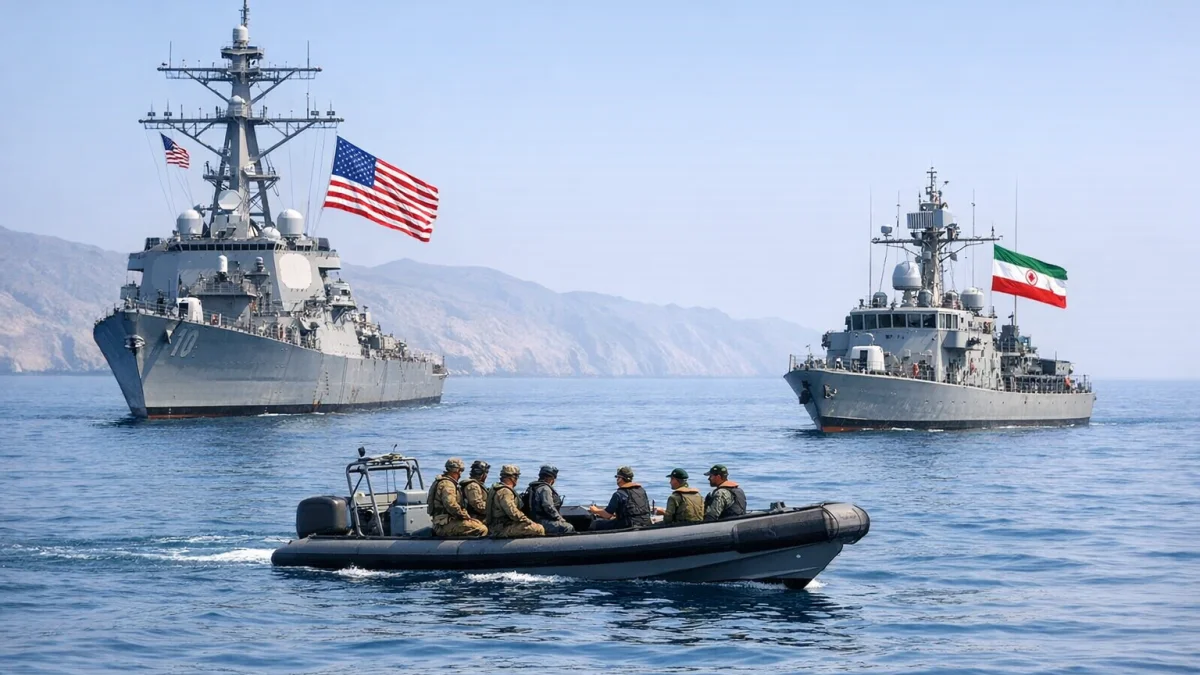


WASHINGTON — The United States and Iran agreed to a two-week ceasefire brokered by Pakistan that includes the reopening of the Strait of Hormuz, officials from both sides said on Tuesday.
President Donald Trump announced the agreement late Tuesday, hours before a deadline he had set for Iran to allow safe passage through the strategic waterway or face further U.S. military action. Iran’s Foreign Minister Abbas Araghchi confirmed Tehran’s acceptance, stating that Iranian forces would coordinate safe passage for vessels during the period, subject to technical limitations.


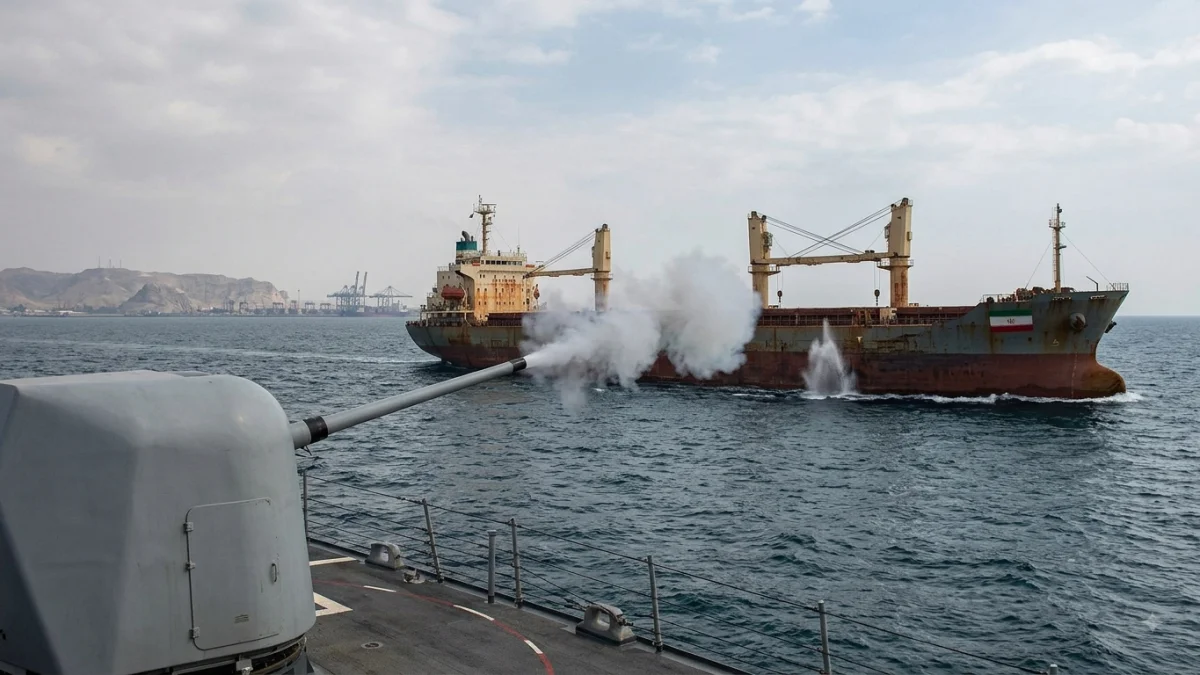
The ceasefire suspends attacks between the U.S., supported by Israel, and Iran, following more than six weeks of conflict that began in late February. It comes amid disruptions to global energy supplies caused by Iran’s blockade of the Strait of Hormuz, through which about one-fifth of the world’s oil shipments normally pass.
Trump said the deal was conditional on Iran’s “complete, immediate, and safe opening” of the strait. “Based on conversations with Prime Minister Shehbaz Sharif and Field Marshal Asim Munir of Pakistan ... subject to the Islamic Republic of Iran agreeing to the COMPLETE, IMMEDIATE, and SAFE OPENING of the Strait of Hormuz, I agree to suspend the bombing and attack of Iran for a period of two weeks,” Trump posted on Truth Social.
Araghchi responded that if attacks against Iran halted, Iranian forces would cease defensive operations. “For a period of two weeks, safe passage through the Strait of Hormuz will be possible via coordination with Iran’s Armed Forces and with due consideration of technical limitations,” he said in a statement.
Details of the implementation remained unclear early Wednesday, including the exact start time of the ceasefire and the pace of resumed shipping. Shipping data indicated limited initial vessel movements in the strait hours after the announcement.
Both sides described the agreement in positive terms. U.S. officials said Washington’s military objectives had been met. Iranian officials portrayed the outcome as a victory, with pro-government demonstrators gathering in Tehran waving flags.
The conflict had escalated after U.S. and Israeli strikes on Iranian targets, prompting Iranian responses that included actions in the Gulf region. Pakistan mediated the talks leading to the truce.
Negotiations between the U.S. and Iran are expected to continue in Islamabad beginning Friday, officials said.
The ceasefire does not cover Israel’s separate campaign in Lebanon, Israeli officials stated.
Global oil prices fell following the announcement, reflecting market relief over the potential easing of supply disruptions, though analysts cautioned that full resumption of shipping could take time and the arrangement was described as fragile.
As of early Wednesday, the situation in the strait was being monitored, with some vessels reported to have begun transiting under Iranian coordination.
The agreement provides a temporary pause in direct U.S.-Iran hostilities while broader talks proceed.