

WASHINGTON — The U.S. Senate has passed legislation that would give President Donald Trump authority to impose tariffs of up to 100% on imports from major buyers of Russian oil and gas, putting India and China among the countries potentially exposed to higher U.S. trade barriers.
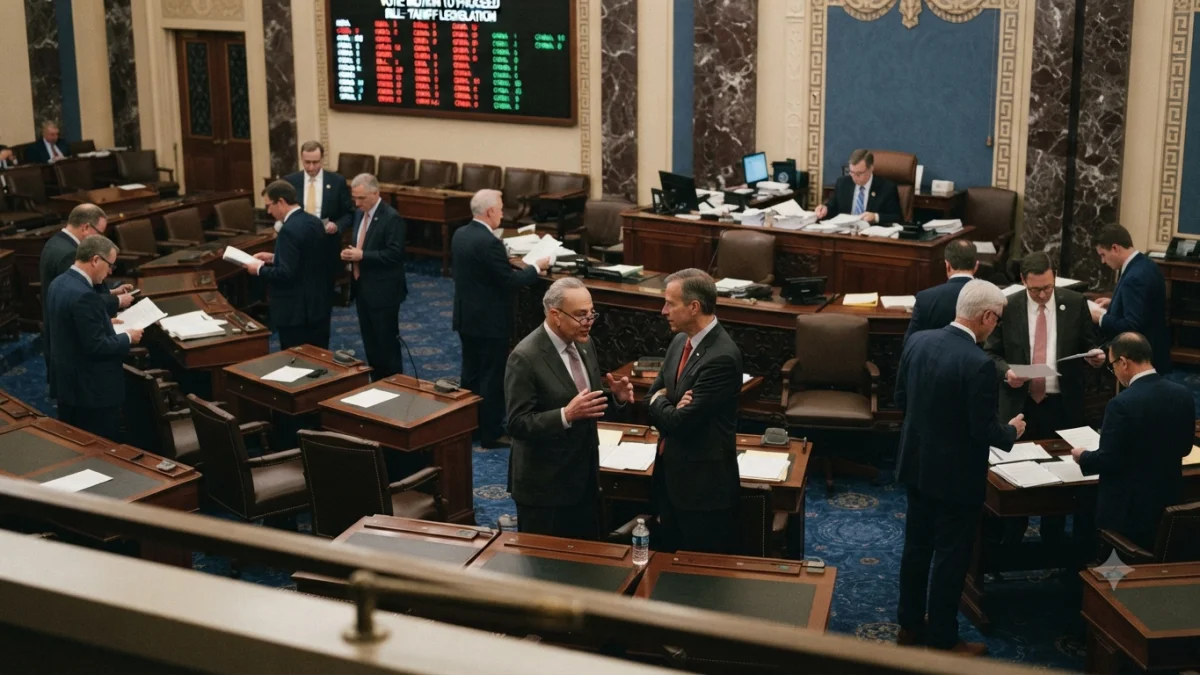
The Senate voted 86-11 on Friday to approve the Lindsey O. Graham Sanctioning Russia and Iran Act of 2026, a bipartisan package aimed at increasing economic pressure on Russia over its war in Ukraine and extending sanctions targeting Iran.


The measure does not automatically impose the tariffs. Instead, it authorizes the president to levy targeted duties on countries that are among the largest purchasers of Russian crude oil or natural gas or that help Russia evade energy sanctions. The legislation limits the tariff authority to the five largest importers of Russian oil or gas and the five leading countries involved in sanctions evasion, according to senators backing the bill.
China and India are major buyers of Russian energy and therefore could face tariffs if Trump uses the authority after the legislation becomes law. The measure would allow tariffs as high as 100%, although their application would remain at the president's discretion.
The bill also contains sanctions against Russian officials, oligarchs and financial institutions, as well as measures targeting Russia's so-called shadow fleet of vessels used to circumvent restrictions. It includes provisions extending sanctions affecting Iran's energy and weapons sectors.
The legislation has drawn opposition from lawmakers concerned about expanding presidential authority over tariffs. Democratic Representatives Gregory Meeks and Don Beyer have warned that the tariff provisions could increase costs for U.S. importers and consumers and give the administration broad new powers.
In the Senate, Republican Senator Rand Paul opposed the measure, while an amendment he sponsored with Democratic Senator Ron Wyden to remove the tariff authority was rejected. Senator Raphael Warnock said he had obtained a written commitment from U.S. Trade Representative Jamieson Greer intended to provide safeguards around the new authority.
The legislation now moves to the House of Representatives. The House is scheduled to return from its summer recess on Aug. 31, when lawmakers will determine whether to take up the Senate-passed measure.