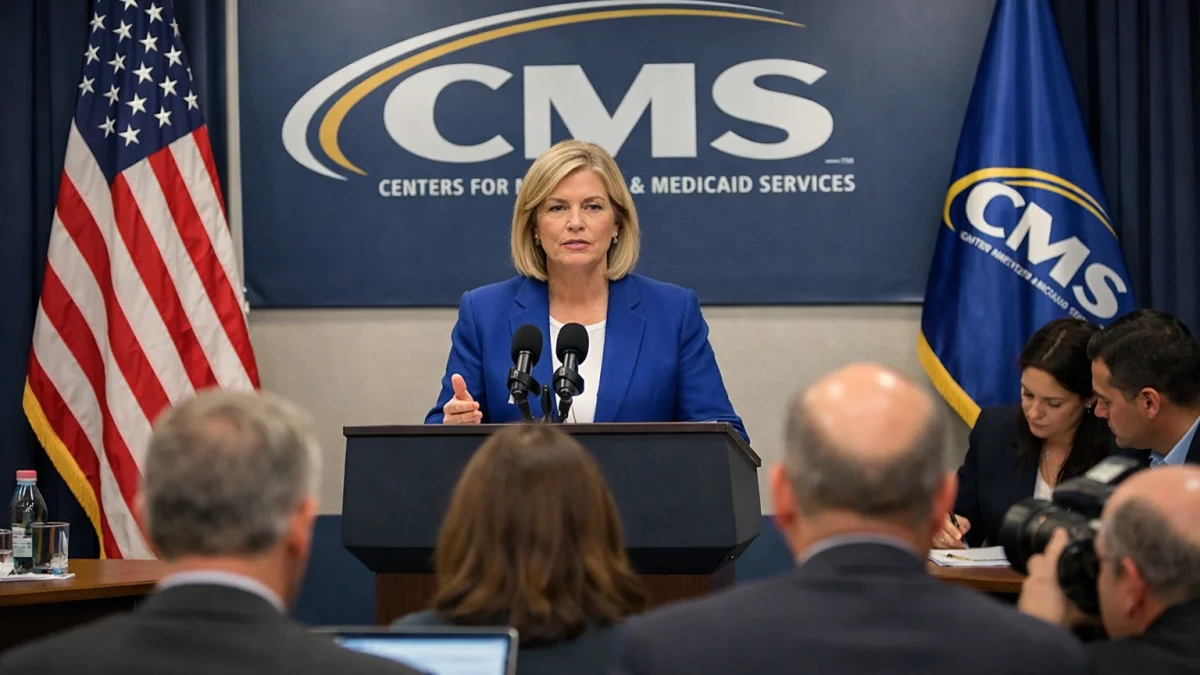


WASHINGTON — The Centers for Medicare & Medicaid Services (CMS) has released a long-awaited rule outlining how states must implement new Medicaid work requirements, providing guidance ahead of a federal mandate scheduled to take effect in 2027.
CMS announced on June 1 that it had issued an interim final rule with a public comment period establishing a nationwide framework for enforcing work-related eligibility requirements for certain adult Medicaid beneficiaries. The rule follows legislation enacted in 2025 requiring many non-disabled adults enrolled through Medicaid expansion programs to complete qualifying activities as a condition of coverage.


Under the rule, affected beneficiaries generally must complete at least 80 hours per month of employment, education, job training, community service or other approved activities. CMS said states must implement the requirements no later than Jan. 1, 2027, although some states may move sooner. Exemptions apply to several groups, including pregnant individuals, people who are medically frail or disabled, certain caregivers and others meeting statutory criteria.
“The Working Families Tax Cut legislation made historic changes to the Medicaid program, and CMS is working closely with states to put those changes into action,” CMS Administrator Dr. Mehmet Oz said in a statement announcing the rule. “This rule helps Americans build skills and independence through work, education, job training, or community service.”
The guidance had been closely watched by states, insurers and healthcare providers seeking details on compliance standards, exemptions and verification procedures. Earlier this year, state officials and managed-care organizations said they were awaiting federal instructions before updating eligibility systems and outreach programs.
CMS said states will be required to verify eligibility regularly and report implementation data to the federal government. The agency also announced federal grants to assist states with administrative changes and system upgrades needed to comply with the law.
Supporters of the policy argue that work requirements encourage labor-force participation and help preserve Medicaid resources for the most vulnerable populations. CMS officials said the framework is intended to promote self-sufficiency while maintaining protections for individuals with significant health needs.
Opponents, including some Democratic lawmakers and healthcare advocates, have warned that administrative requirements could result in eligible individuals losing coverage. Representative Frank Pallone of New Jersey said the policy could make it harder for people to maintain access to healthcare because of paperwork burdens rather than employment status.
The interim final rule is scheduled to take effect later this summer, and CMS will accept public comments through July. As of Friday, states were reviewing the guidance and preparing for implementation ahead of the 2027 deadline.