

WASHINGTON — Members of the U.S. Congress are reviewing potential oversight and approval procedures that could apply to any future agreement addressing Iran’s nuclear program, following the announcement of a preliminary U.S.-Iran accord intended to end recent hostilities, according to lawmakers, administration officials and published reports.
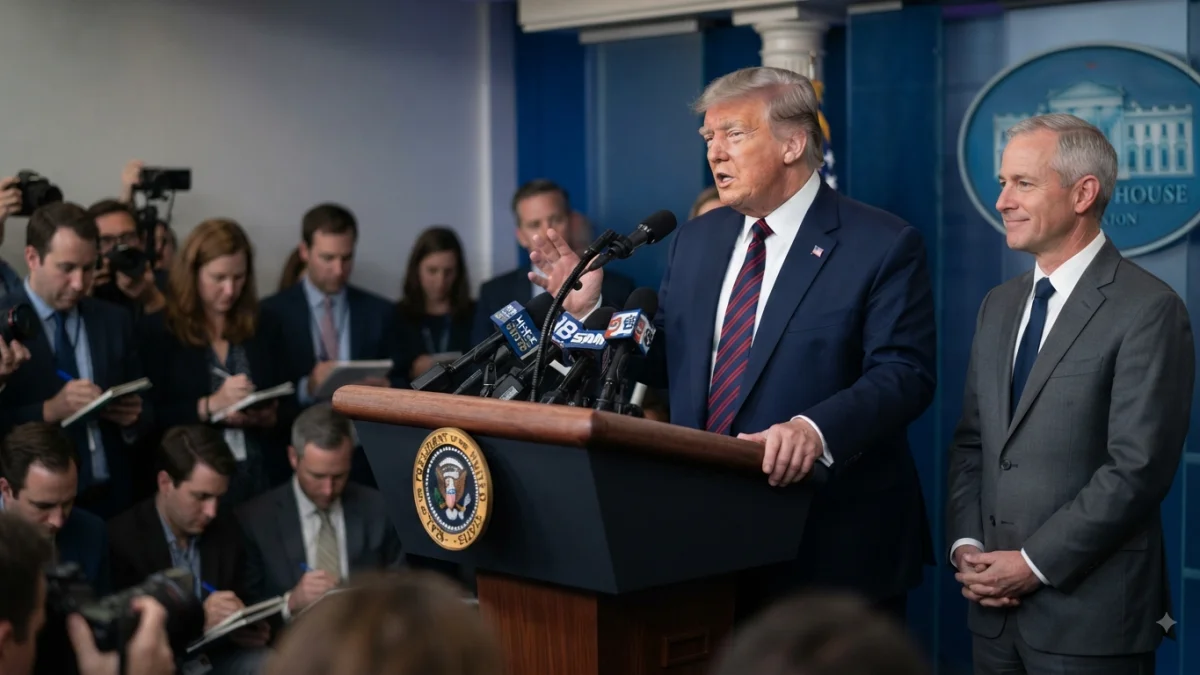
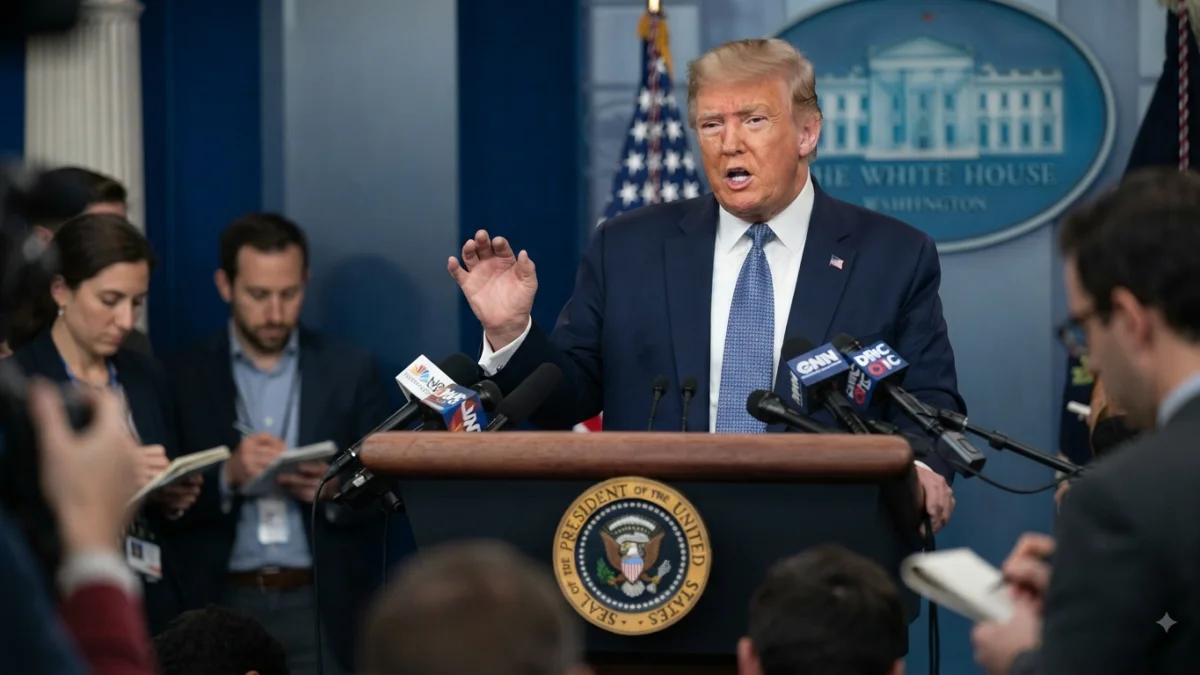
The discussions come after U.S. President Donald Trump and Pakistani Prime Minister Shehbaz Sharif announced that Washington and Tehran had reached a preliminary agreement to halt military operations, with a formal signing ceremony expected in Switzerland later this week. Officials have said unresolved issues, including Iran’s nuclear program, would be addressed during an additional negotiation period.


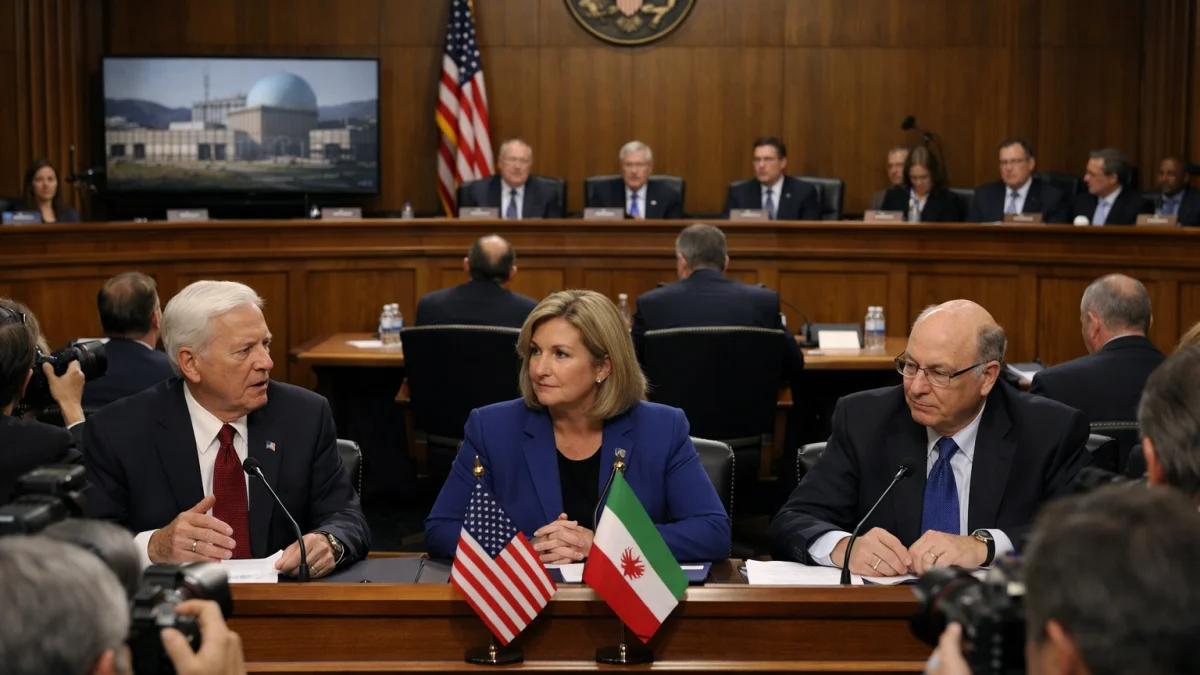
While details of the preliminary accord have not been publicly released, Reuters reported that any final agreement involving Iran’s nuclear activities would be subject to congressional review. Under the 2015 Iran Nuclear Agreement Review Act (INARA), Congress has authority to examine and potentially vote on certain agreements related to Iran’s nuclear program before sanctions relief measures can take effect.
Several lawmakers from both parties have called for transparency regarding the terms under discussion. Congressional leaders have not announced a formal timetable for hearings or votes, and no legislative text related to a potential nuclear agreement has been introduced publicly as of Monday.
Administration officials have emphasized that negotiations remain ongoing. According to Reuters, the preliminary arrangement is designed to extend a ceasefire and create a framework for further talks rather than immediately resolve all outstanding issues between the two countries.
“We will review any final agreement consistent with applicable law,” several lawmakers said in public statements over recent days, while urging the administration to brief Congress on developments. Details of those briefings remain unclear.
Supporters of continued diplomacy have argued that congressional oversight could provide additional scrutiny of any long-term arrangement. Critics have said lawmakers should have a substantial role in reviewing commitments involving sanctions, nuclear restrictions and regional security issues. Public positions vary across party lines, and congressional leaders have not indicated whether bipartisan consensus exists on how to proceed.
The current discussions follow years of debate in Washington over the appropriate balance between executive authority and congressional oversight in U.S. policy toward Iran. Previous agreements involving Tehran’s nuclear activities generated extensive review in Congress and prompted legislative action establishing formal examination procedures.
As of Monday, lawmakers were awaiting additional information from the administration and international negotiators. No final nuclear agreement has been announced, and the precise terms of future negotiations remain uncertain. Congressional action, if required, would depend on the contents of any eventual agreement and the legal authorities under which it is presented.