

WASHINGTON — Congress passed a 10-day extension of Section 702 of the Foreign Intelligence Surveillance Act on Friday, averting the expiration of the controversial warrantless surveillance program that was set to lapse on Monday, congressional leaders said.
The House approved the short-term measure by unanimous consent shortly after 2 a.m. Friday, following the failure of attempts to secure a longer renewal. The Senate cleared the bill later that morning by voice vote. The legislation extends the authority until April 30 and now heads to President Donald Trump for his signature.


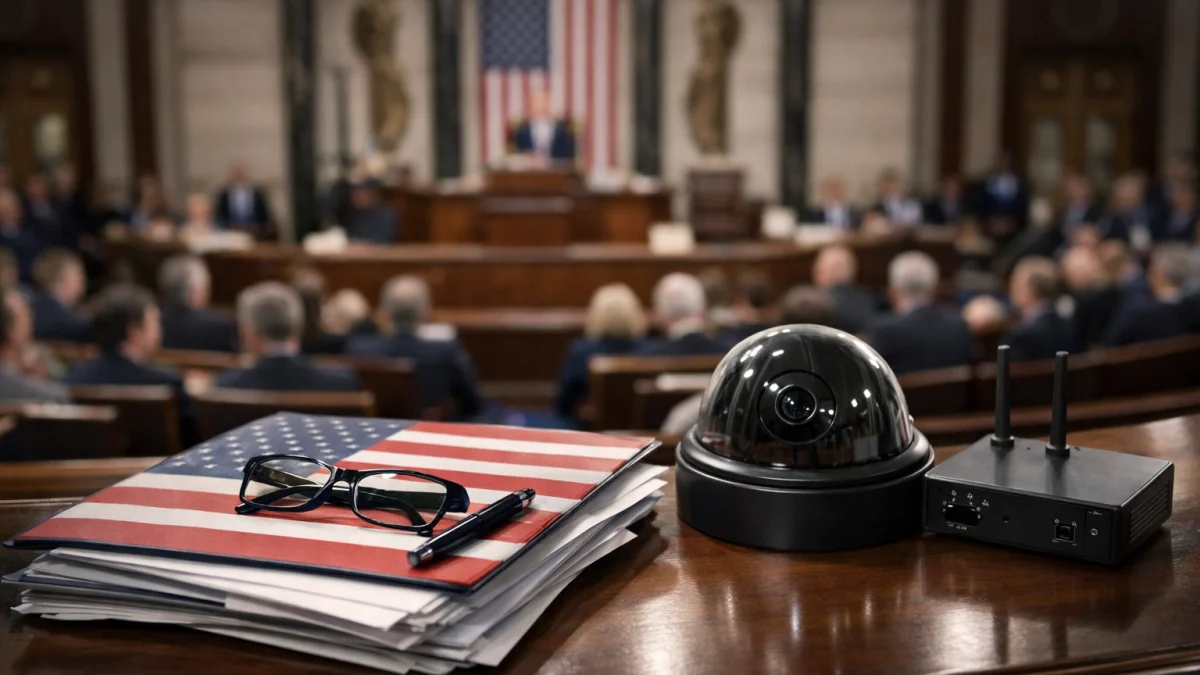
Section 702 allows U.S. intelligence agencies to collect electronic communications of foreign nationals located outside the United States, including when those communications involve Americans. The program has faced criticism from privacy advocates and some lawmakers over the incidental collection of U.S. persons' data without a warrant.
Earlier Friday, House Republican leaders attempted to advance both a five-year extension and an 18-month renewal sought by the Trump administration, but those efforts failed amid opposition from libertarian-leaning Republicans demanding stronger privacy protections and some Democrats. A bloc of about 20 Republicans blocked procedural votes on the longer-term measures.
Speaker Mike Johnson, R-La., said the 10-day extension provides additional time for negotiations. "This gives us more time to hammer out our differences," Johnson told reporters after the House vote.
Senate approval came without debate or a recorded vote. The measure faced no significant opposition in the upper chamber.
The short-term extension follows previous reauthorizations of the program, including a two-year renewal in 2024. Lawmakers from both parties have expressed differing views on potential reforms, such as requiring warrants for certain queries of U.S. persons' data.
As of Saturday, the bill awaited President Trump's signature. Details on any planned negotiations for a longer-term extension or specific reforms remained unclear. Intelligence officials have described Section 702 as a critical national security tool, while critics have called for greater oversight to protect civil liberties.
No immediate comment was available from the White House on Saturday regarding the extension or next steps.