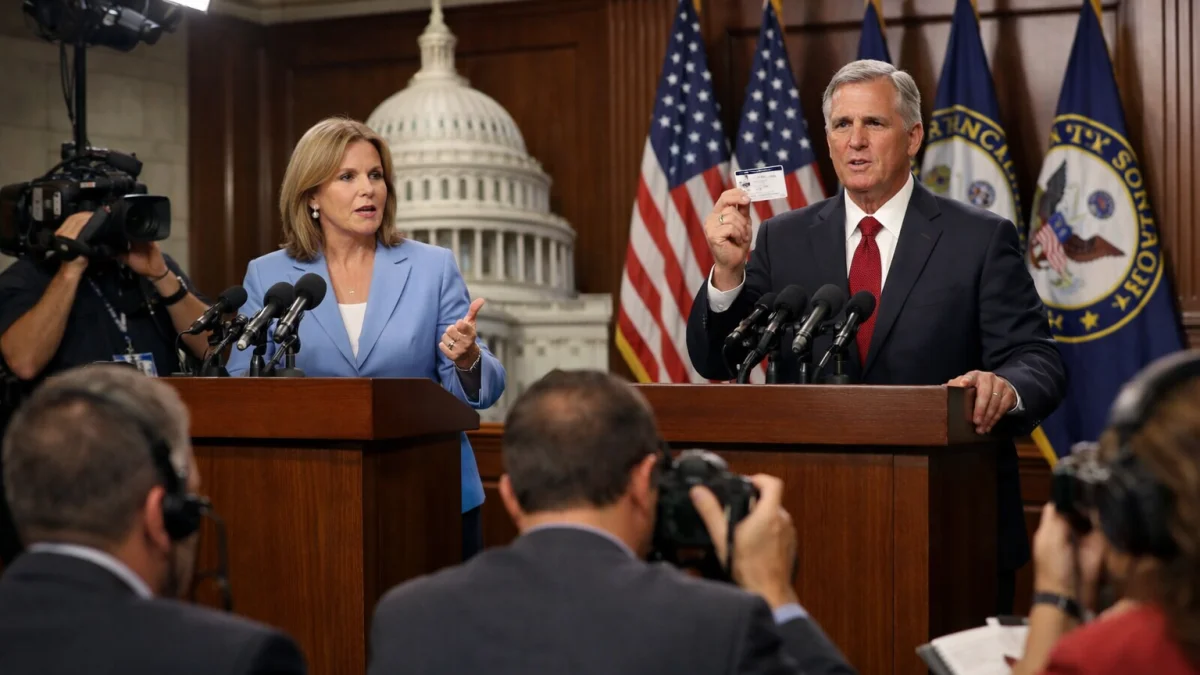


WASHINGTON — Congressional primary contests across several U.S. states have brought renewed attention to debates over voter identification and election rules, as candidates and party leaders continue to clash over federal legislation that would require proof of citizenship and photo identification for participation in federal elections.
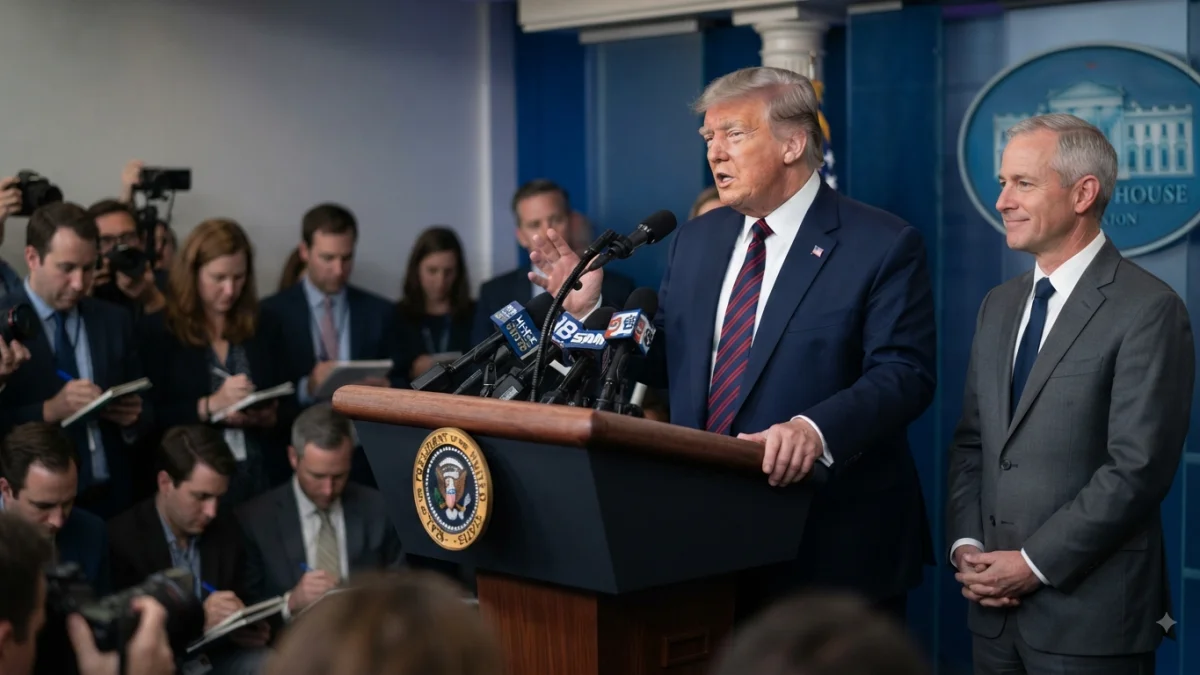
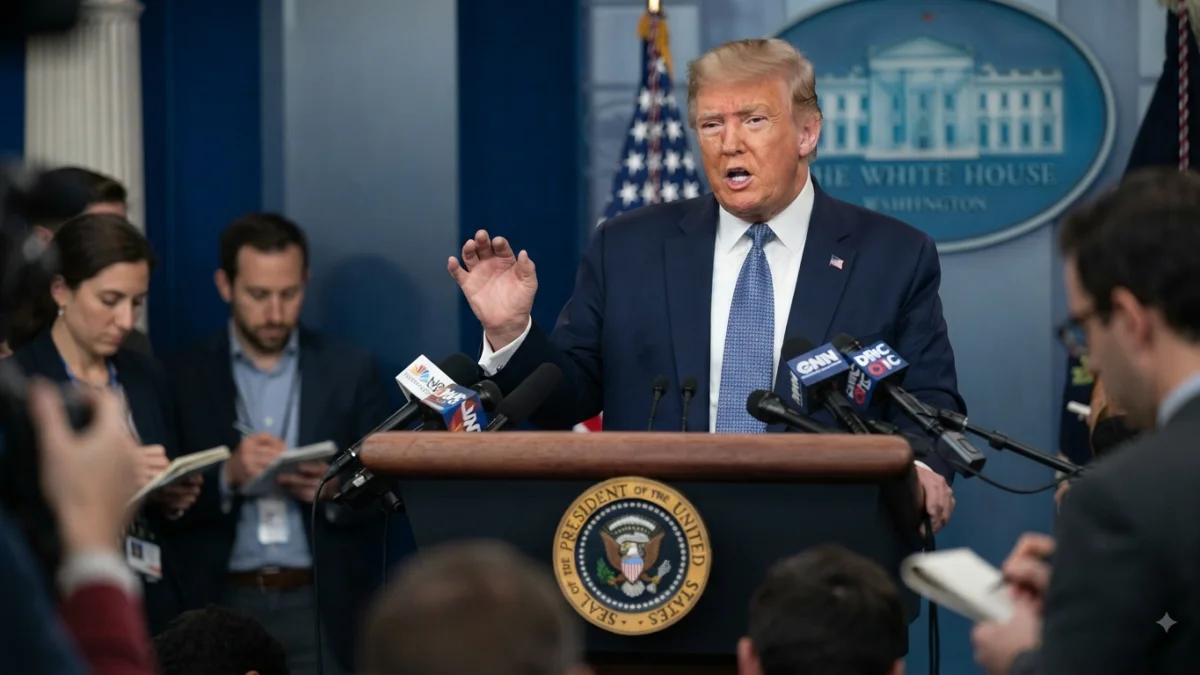
The issue has remained prominent during the 2026 midterm election cycle as Republican lawmakers promote the SAVE America Act, a bill backed by President Donald Trump that would require documentary proof of U.S. citizenship for voter registration and photo identification for voting in federal elections. The legislation has become a recurring topic in congressional campaigns and primary debates, according to lawmakers, campaign statements and Senate proceedings.


Republican candidates in several congressional races have highlighted the measure as part of broader election-integrity efforts. Senate Majority Leader John Thune, speaking during debate on the legislation earlier this year, argued that stricter identification requirements would strengthen confidence in elections. “It kind of feels like the only Americans not to support voter ID requirements are Democrats here in Congress,” Thune said during Senate debate, according to Associated Press reporting.
Democratic candidates and voting-rights advocates have countered that the proposed requirements could create obstacles for eligible voters. They argue that cases of noncitizen voting are rare and that existing election safeguards are already extensive. Democratic lawmakers have said they support election security measures but object to provisions they describe as overly restrictive.
The debate has unfolded as competitive congressional primaries continue in states including New York, Texas and Illinois, where candidates have used campaign events and debates to address election administration, voting access and federal election legislation. Primary races are viewed by both parties as important tests of voter sentiment ahead of the November general election.
The House of Representatives approved the SAVE America Act earlier this year with largely Republican support, but the measure has encountered significant resistance in the Senate. Extended Senate debate on the legislation began in March, with both parties using floor speeches to present competing arguments on voter identification requirements and election administration.
Republican supporters say the bill is designed to ensure that only eligible citizens participate in federal elections. Opponents argue that documentation requirements could affect voters who do not readily possess passports, birth certificates or other qualifying records.
The legislation's future remains uncertain. Senate votes on key provisions have fallen short of the support needed to advance, and several Republicans have joined Democrats in opposing aspects of the proposal. As primary campaigns continue through the summer, candidates from both parties are expected to keep voter-identification policies and election procedures at the center of their appeals to voters.