

GENEVA — International health authorities and affected countries continued containment efforts for the ongoing Ebola outbreak in the Democratic Republic of the Congo and Uganda, with the World Health Organization and partners scaling up response operations this week.
The outbreak, caused by the Bundibugyo strain of Ebola virus, was declared a Public Health Emergency of International Concern in May 2026. As of June 9, Congolese authorities reported nearly 600 confirmed cases and 115 deaths in the DRC, primarily in Ituri province, according to government statements and WHO data. Uganda has reported a smaller number of cases linked to cross-border transmission.


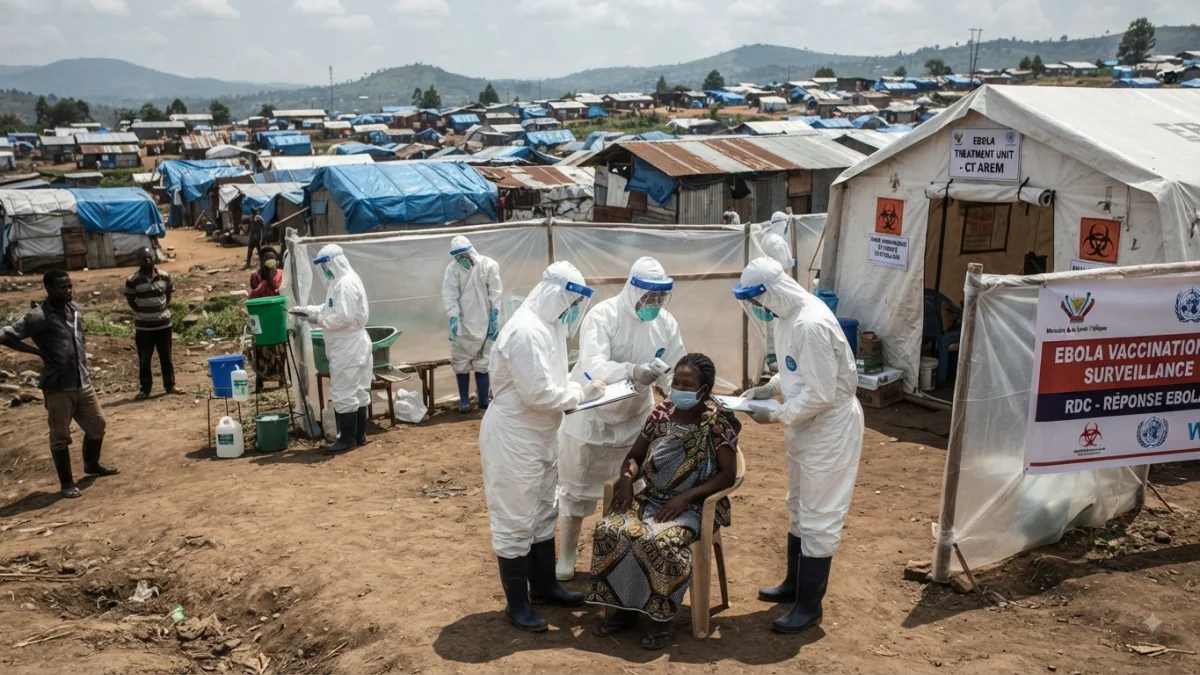
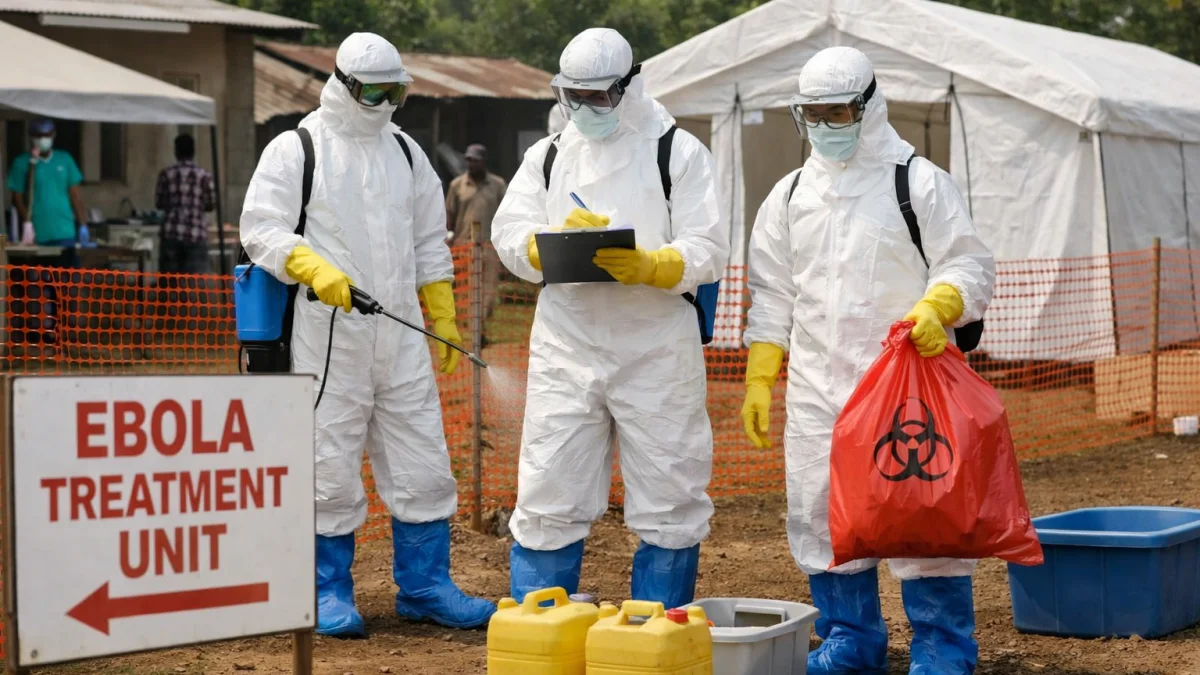
Health workers are implementing key measures including contact tracing, isolation of cases, infection prevention and control, and community engagement, WHO officials said. On June 5, WHO and Africa CDC launched a joint continental preparedness and response plan seeking approximately $518 million to support efforts through November.
“The objective is straightforward: We need to stop the outbreak where it is,” WHO Director-General Tedros Adhanom Ghebreyesus said at a recent briefing.
Challenges include insecurity in eastern DRC, community distrust in some areas, and limited infrastructure, which have complicated access and response activities. Authorities have established field laboratories and treatment centers, while deploying additional personnel and supplies. The U.S. Centers for Disease Control and Prevention and other partners are providing technical support and funding for surveillance and border screening.
The U.S. government has committed more than $200 million in direct Ebola response funding, supporting contact tracing, personal protective equipment distribution, and community education, State Department officials said. Neighboring countries have enhanced preparedness measures, including travel screening.
No approved vaccine or specific treatment exists for the Bundibugyo strain, so response strategies rely on supportive care and public health interventions. International organizations including Médecins Sans Frontières are assisting with treatment facilities and risk communication.
As of early June, the outbreak remained active with new cases reported daily in affected provinces. Cross-border collaboration between DRC and Uganda continues, alongside broader regional efforts to prevent further spread. Further updates on case numbers and response progress are expected in the coming days as containment operations intensify.