

WASHINGTON — Economic surveys released in recent days showed mixed consumer sentiment across major economies, with households reporting some improvement in confidence as fuel prices eased while continuing to express concern about inflation, living costs and the broader economic outlook.
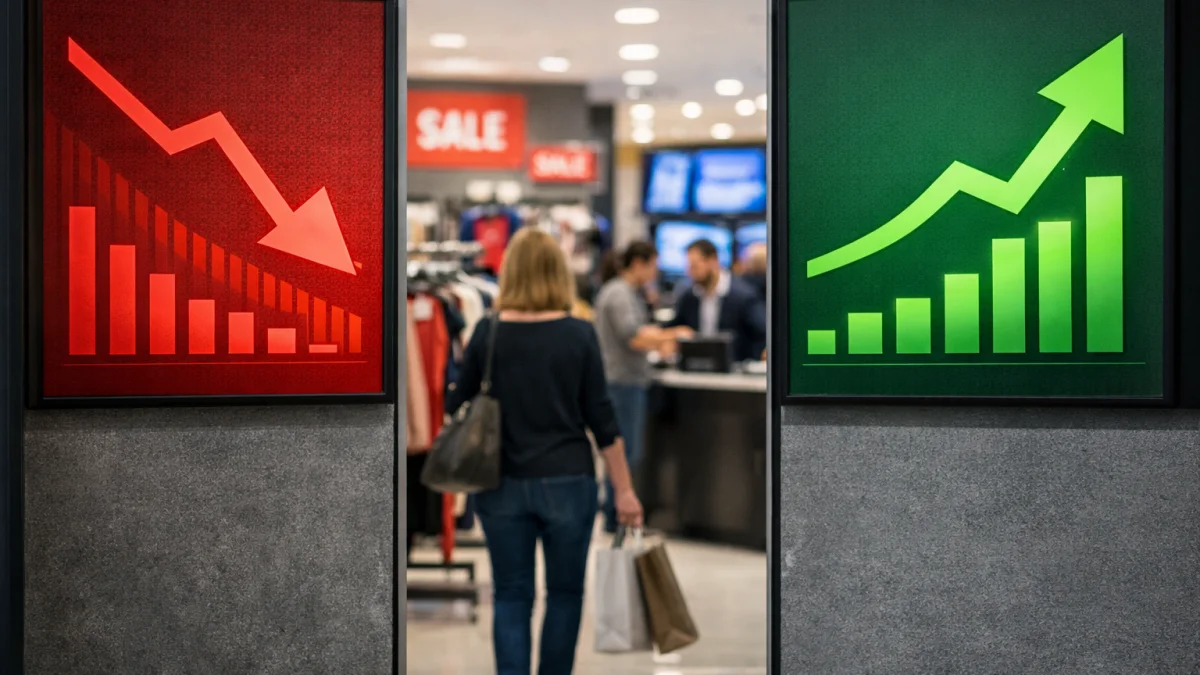
In the United States, the University of Michigan's preliminary June survey showed consumer sentiment rising from a record low reached in May. The index increased to 48.9 from 44.8 a month earlier, according to data released on Friday and reported by Reuters. The improvement followed a decline in gasoline prices and was most pronounced among lower-income households.


“Lower-income consumers exhibited a particularly strong sentiment increase, consistent with the fact that gasoline comprises a larger share of their budgets,” Joanne Hsu, director of the Surveys of Consumers, said in the report. She added that consumers remained focused on household finances and continued to worry about inflation.
Despite the increase, survey findings indicated that overall sentiment remained historically weak. Respondents cited concerns about rising prices and uncertainty over future inflation, even as expectations for inflation moderated slightly from May levels.
Other indicators painted a similarly mixed picture. Economists surveyed by Reuters said inflation pressures linked to higher energy costs and geopolitical uncertainty were expected to influence consumer spending and monetary policy decisions in the coming months. The Federal Reserve is widely expected to keep interest rates unchanged as officials assess economic conditions.
In Europe, consumer attitudes also reflected caution. A study by Boston Consulting Group found that German consumers remained more pessimistic about economic conditions than many of their European counterparts. The survey reported widespread concern about prices, energy costs and personal finances, while many respondents said they would save rather than spend additional income.
The BCG study also found that price sensitivity continued to shape purchasing decisions, with consumers increasingly seeking discounts and lower-cost alternatives. At the same time, respondents reported adjusting spending habits in response to ongoing cost-of-living pressures.
Consumer sentiment surveys are closely monitored by businesses, policymakers and investors because they provide insight into household spending intentions, which are a major component of economic activity. Recent readings suggest that consumers are responding to both improving and adverse economic signals, depending on local conditions and income levels.
As of Monday, economists and central bank officials continued to monitor inflation trends, labor market conditions and energy prices. Additional consumer confidence and spending data are expected later this month, which may provide further indications of how households are responding to current economic conditions.