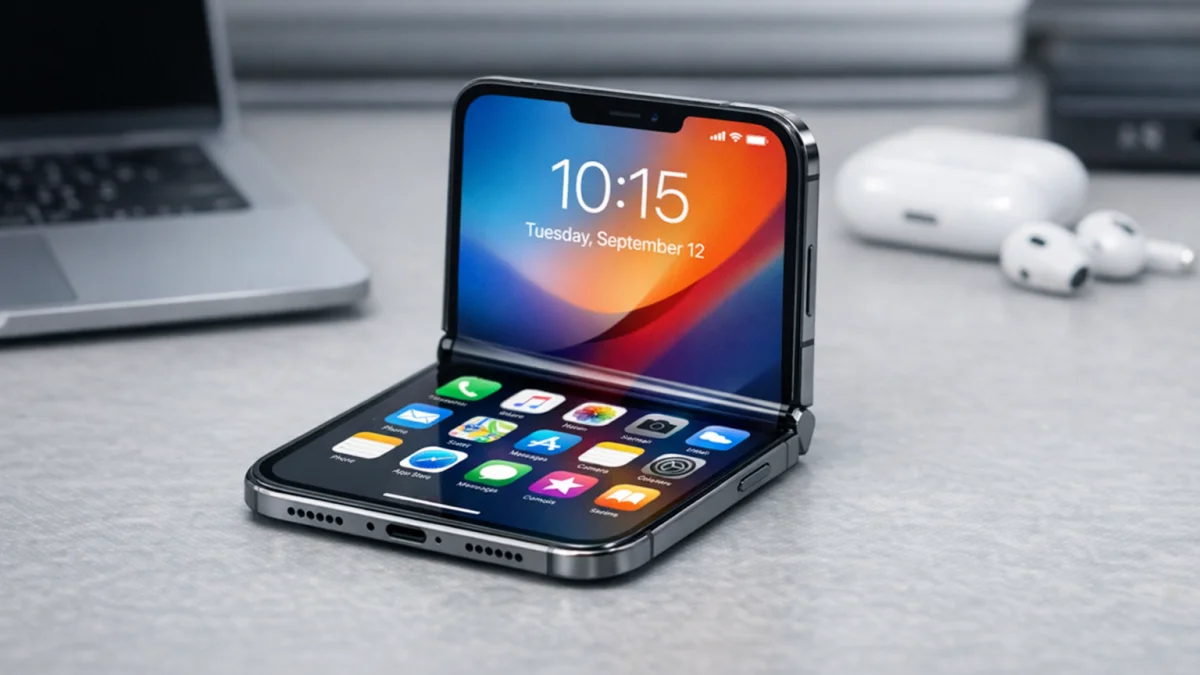


CUPERTINO — Apple Inc. has begun trial production of its first foldable iPhone prototype, supply chain sources said on Monday, even as engineering setbacks reported Tuesday have fueled speculation of potential delays to the device's planned 2026 launch.
The company is conducting engineering verification testing for the foldable device, known in reports as the iPhone Fold, ahead of targeted mass production in July, according to supply chain information cited by MacRumors. Trial production represents an early testing stage before full manufacturing.


Nikkei Asia reported on Tuesday that Apple has encountered "more issues than expected" during the early test production phase. A source familiar with the matter told the publication: “It’s true that more issues than expected have emerged during the early test production phase, and additional time will be needed to resolve them and make necessary adjustments.” The source added that the current situation could put the mass production timeline at risk, with April until early May described as an extremely critical period.
Engineering development issues could delay first shipments by months in a worst-case scenario, Reuters reported, citing the same Nikkei Asia sources. Apple and its suppliers are working under a pressured timeline, and current solutions have not fully addressed the challenges, one source said.
The setbacks include unresolved cost and pricing negotiations with manufacturing partners, as well as an undecided choice of hinge materials — options under consideration include liquid metal or a 3D-printed titanium alloy to improve durability and reduce creasing. A final decision on the hinge is expected during the production validation test phase in July or early August, according to the reports.
Apple has not publicly detailed the prototype or confirmed any timeline. The company did not immediately respond to requests for comment. Earlier supply chain reports had indicated the device could feature an approximately 7.8-inch foldable inner display and a 5.5-inch cover screen when closed, with a wide aspect ratio and efforts to minimize visible creasing. Design elements are said to include a side-button Touch ID sensor instead of Face ID.
The foldable iPhone would mark Apple’s entry into a product category long dominated by competitors such as Samsung. Rumors of a foldable device have circulated for years, with supply chain sources previously pointing to a second-half 2026 launch window, potentially after the iPhone 18 Pro models in September.
As of Tuesday, no revised shipment schedule has been confirmed. Component suppliers have been notified of possible production adjustments, but Apple has given no public indication of changes to its plans. Further testing continues.