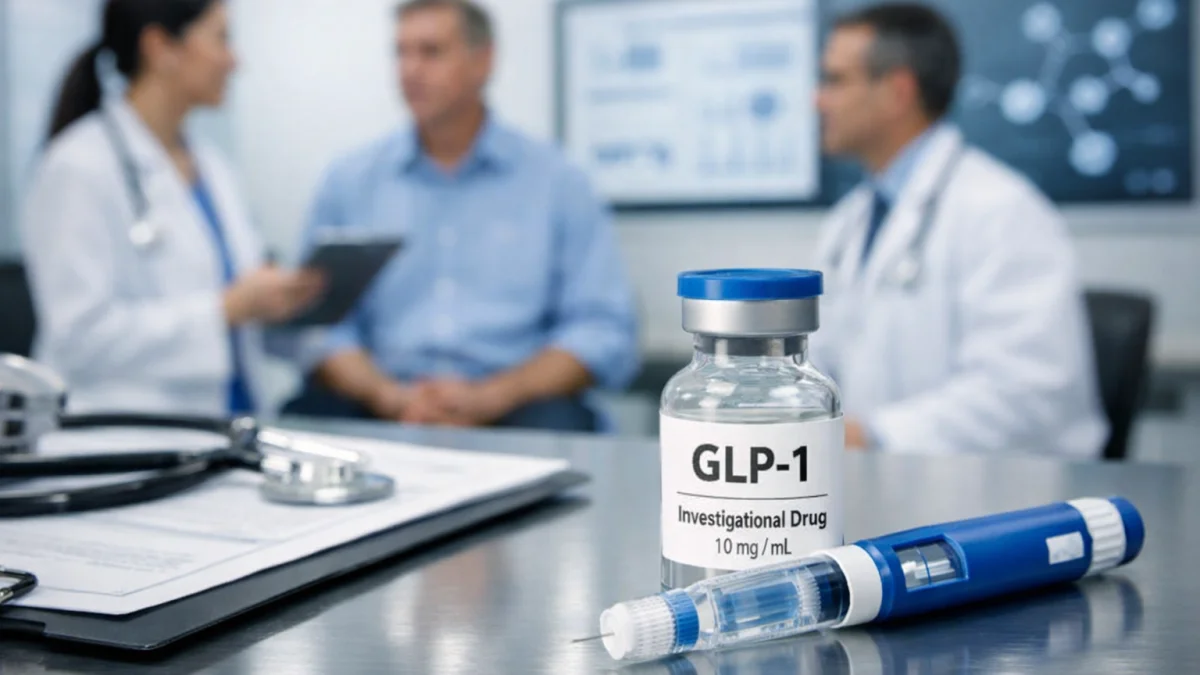


NEW YORK — Pharmaceutical companies reported positive clinical trial results for next-generation GLP-1 receptor agonist drugs and related therapies, highlighting improvements in weight loss efficacy, tolerability and delivery methods as data from Phase 2 and Phase 3 studies emerged in recent months.
Developments include higher-dose injectable formulations, oral small-molecule options and multi-agonist candidates showing enhanced outcomes for obesity and type 2 diabetes treatment. Companies such as Eli Lilly, Novo Nordisk and AstraZeneca have shared updates from trials examining these advancements.


In one Phase 2b trial, AstraZeneca’s oral small-molecule GLP-1 receptor agonist elecoglipron achieved an average weight loss of 11.8% at 36 weeks in adults with obesity or overweight, compared with 0.3% for placebo. The same dose reduced HbA1c by 1.9% at 26 weeks in patients with type 2 diabetes.
Eli Lilly’s experimental triple agonist retatrutide continued to show strong results in earlier readouts, with reports of average weight loss exceeding 20% in some studies, alongside benefits for conditions such as knee osteoarthritis. Regulatory submissions for several candidates are expected or pending in 2026.
Novo Nordisk received approval for a higher 7.2 mg dose of semaglutide (Wegovy HD) in March 2026, which demonstrated 20.7% mean weight loss at 72 weeks in the STEP UP trial, compared with 17.5% for the 2.4 mg dose.
Oral formulations are advancing, with candidates such as orforglipron from Eli Lilly showing average weight loss of about 12.4% at 72 weeks in the ATTAIN-1 trial.
“These results represent meaningful progress in addressing both efficacy and patient convenience in the treatment of obesity and diabetes,” an Eli Lilly spokesperson said in a statement regarding recent trial data.
Researchers have also explored additional potential benefits, including observational data linking GLP-1 use to lower risks for certain conditions, though further studies are needed. Common side effects such as gastrointestinal issues remain a focus of monitoring.
As of June 2026, multiple Phase 3 programs are underway or planned, including outcome trials. Details on exact timelines for regulatory approvals and long-term data continue to evolve as trials progress. Companies said they are working with regulators on submissions for new indications and formulations.