

RIYADH— Gulf oil producers are accelerating efforts to expand export routes that bypass the Strait of Hormuz, with Saudi Arabia considering additional pipeline capacity and the United Arab Emirates building new infrastructure to reduce reliance on the strategic waterway, according to officials, industry sources and analysts.
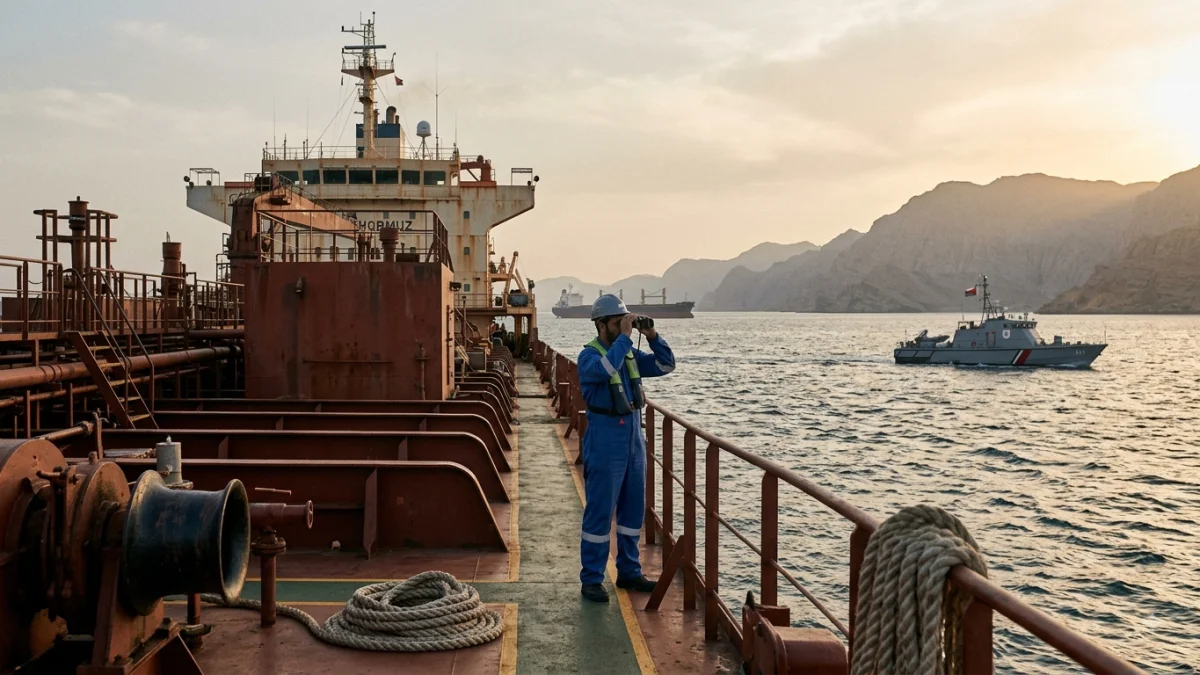
The moves follow months of disruption to shipping through the strait, which carried about 20 million barrels per day of oil and oil products in 2025, equivalent to roughly a quarter of global seaborne oil trade, according to the International Energy Agency.


Saudi Arabia is considering expanding its East-West crude pipeline to the Red Sea by as much as 2 million barrels per day, Reuters reported in July, with Riyadh holding preliminary discussions with neighboring Gulf states about potentially using expanded capacity. Kuwait's oil minister confirmed that discussions were under way with Saudi Arabia and the UAE on expanding pipeline systems.
The kingdom already operates the East-West pipeline, which connects oil-producing areas in eastern Saudi Arabia with the Red Sea port of Yanbu. During the disruption, Saudi Arabia increased flows through the system, with Yanbu exports rising to more than 5 million barrels per day in early June, according to the IEA.
The UAE has also relied on its existing Abu Dhabi Crude Oil Pipeline, which carries crude from Habshan to Fujairah on the Gulf of Oman, avoiding Hormuz. The IEA estimates that Saudi and UAE pipelines together provide about 3.5 million to 5.5 million barrels per day of available alternative capacity, although not all of that capacity can necessarily be used immediately.
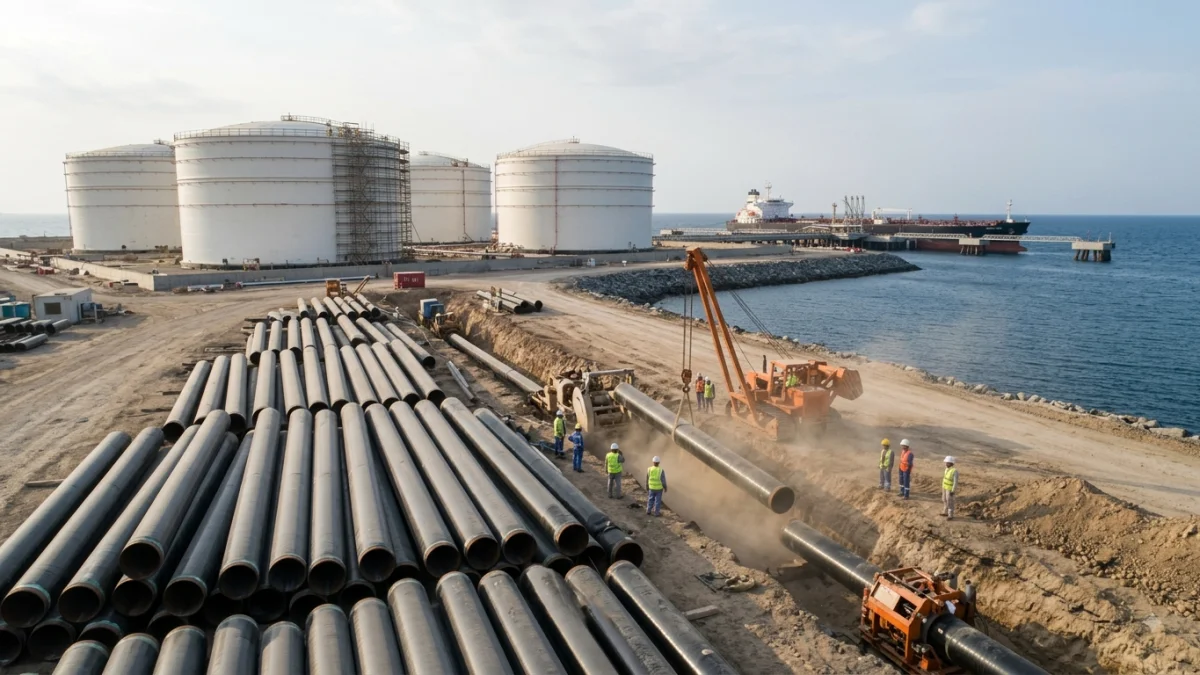
The UAE is building additional infrastructure that could increase its ability to move crude directly to Fujairah. The U.S. Energy Information Administration said the country plans a new 1.5-million-barrel-per-day pipeline from Jebel Dhanna to Fujairah, targeted for completion by 2027.
The investment drive reflects the limited ability of Gulf producers to replace Hormuz completely. The IEA says Saudi Arabia and the UAE are currently the only Gulf states with operational crude pipelines capable of bypassing the strait, while Kuwait, Qatar and Bahrain remain heavily dependent on the waterway for exports.
Saudi Arabia has also been rerouting some crude from Yanbu through the Suez Canal as security risks spread to the Red Sea and Bab al-Mandeb, according to Reuters.
The latest pipeline plans remain at different stages of consideration and construction. Gulf producers have not announced a regional project that would replace Hormuz's full export capacity, leaving the strait central to global oil supply even as alternative routes expand.