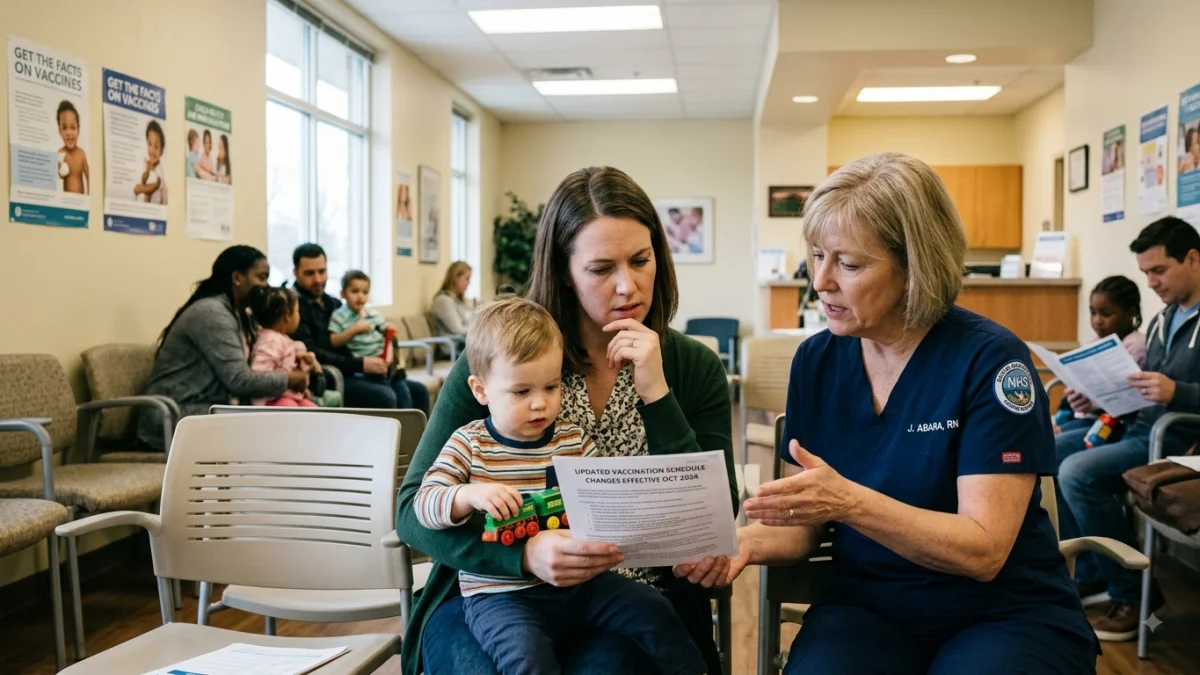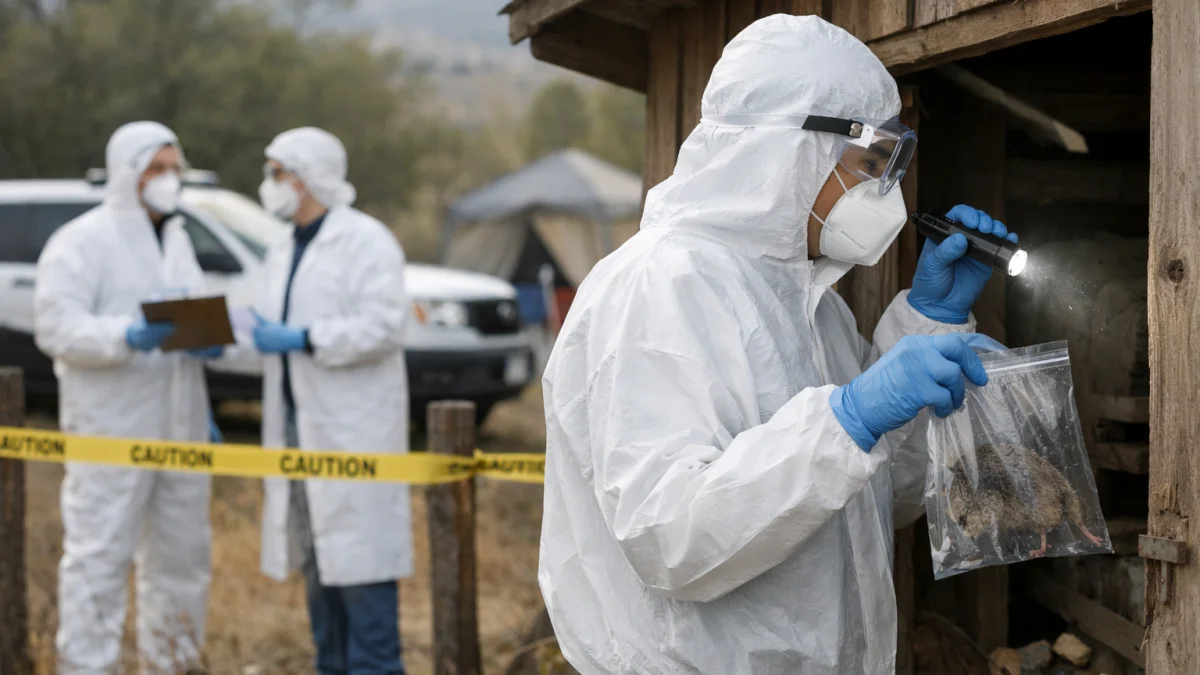


ATLANTA — Health officials in several U.S. states have noted increased public inquiries and awareness about hantavirus following a recent international outbreak on a cruise ship, though domestic transmission risks remain tied primarily to rodent exposure in affected regions.
The Centers for Disease Control and Prevention reported that all U.S. citizens potentially exposed during the May 2026 Andes virus outbreak aboard the MV Hondius cruise ship completed their 42-day monitoring period on June 21 with no cases identified. The ship-based outbreak, which originated in the South Atlantic, resulted in multiple confirmed cases and deaths among passengers and crew but did not lead to U.S. infections.


Hantavirus pulmonary syndrome, caused by various strains endemic to the Americas, is typically transmitted through contact with infected rodent droppings, urine or saliva. Western and southwestern states, including those in the Four Corners region, have historically reported the majority of U.S. cases.
Officials in states such as New Mexico, Colorado and California have reported heightened concern among residents in rural and wooded areas where deer mice and other rodents are common. Public health departments have issued reminders on prevention amid summer rodent activity.
“Early symptoms can resemble the flu, but rapid progression to respiratory distress requires immediate medical attention,” a CDC spokesperson said in guidance materials. Symptoms typically include fever, muscle aches, fatigue and, in later stages, shortness of breath.
From 1993 to 2023, approximately 890 hantavirus cases were reported in the United States, with a notable concentration in western states. No person-to-person transmission has been documented for U.S. strains, unlike the Andes virus variant involved in the cruise ship incident.
Health authorities emphasize that the overall risk to the general public remains low. Prevention focuses on rodent control, sealing entry points in homes and avoiding disturbing areas with rodent droppings without proper protection.
As of June 24, state and local health departments continue routine surveillance for hantavirus. Officials have urged residents in endemic areas to take precautions during cleaning and outdoor activities, with no indication of unusual case increases beyond seasonal expectations. Monitoring for any potential imported cases from the earlier outbreak has concluded without incident.