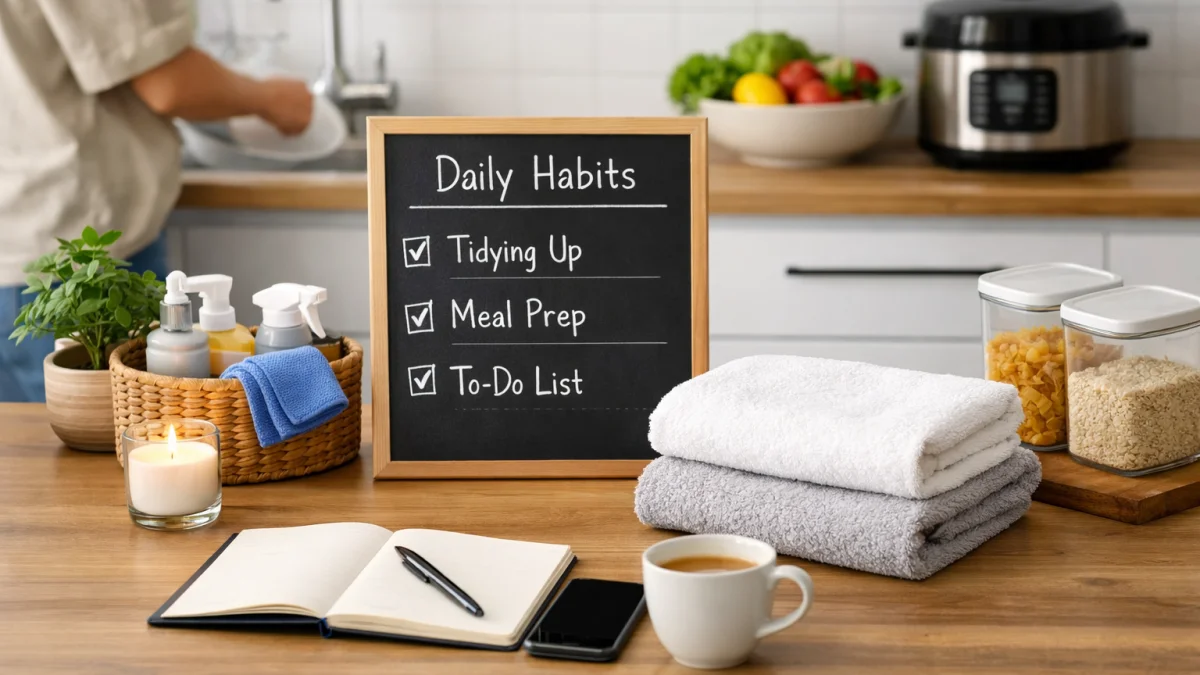
Household stress can develop from daily responsibilities, financial pressure, scheduling conflicts, and ongoing communication problems. While occasional stress is a normal part of family and home life, small daily habits may help create a more organized and manageable environment. Reducing household stress often depends on consistency and realistic routines rather than major lifestyle changes.
1. Create predictable daily routines
Consistent routines may help reduce confusion and last-minute decision-making within a household. Regular schedules for meals, chores, school preparation, or bedtime can make daily responsibilities easier to manage.
Simple routines may include:
• Preparing bags or clothing the night before
• Setting regular meal times
• Establishing consistent sleep schedules
• Creating a shared calendar for appointments and activities
Predictability may help reduce unnecessary rushing and misunderstandings during busy periods.
2. Divide responsibilities clearly
Stress can increase when household tasks are unclear or unevenly distributed. Assigning responsibilities may help reduce frustration and improve cooperation among household members.
Examples may include:
• Rotating cleaning duties
• Assigning grocery shopping tasks
• Sharing childcare responsibilities
• Creating weekly chore schedules
The most effective systems are often realistic and adjusted to individual schedules and abilities.
3. Reduce clutter gradually
Cluttered spaces can make daily activities more difficult and may contribute to feelings of disorganization. Maintaining a cleaner environment does not necessarily require extensive cleaning sessions.
Practical habits may include:
• Returning items to their proper place after use
• Disposing of unnecessary items regularly
• Organizing commonly used spaces gradually
• Cleaning small areas consistently instead of all at once
Small maintenance habits are often easier to sustain than infrequent large cleaning efforts.
4. Improve household communication
Miscommunication can contribute to unnecessary tension within families or shared living environments. Clear and respectful communication may help prevent misunderstandings before they become larger conflicts.
Helpful communication practices may include:
• Discussing schedules openly
• Raising concerns calmly
• Listening without interrupting
• Clarifying expectations for shared tasks
Short daily conversations may also help household members stay informed about responsibilities and upcoming plans.
5. Allow time for rest and personal space
Constant activity without breaks may increase stress levels over time. Even in busy households, short periods of quiet or personal time may help improve emotional balance.
This could include:
• Reading or relaxing without distractions
• Taking short walks
• Limiting unnecessary screen exposure before bed
• Creating quiet periods during the evening
Personal downtime may look different depending on the household structure and daily responsibilities.
6. Plan meals and essential tasks in advance
Daily decision-making can become stressful when combined with limited time or unexpected changes. Preparing certain tasks ahead of time may help reduce pressure during the week.
Examples may include:
• Planning meals several days in advance
• Preparing ingredients ahead of time
• Scheduling errands efficiently
• Keeping commonly used household supplies stocked
Preparation may also help reduce unnecessary spending or rushed decisions.
7. Limit avoidable sources of tension
Some household stress comes from habits or situations that can be adjusted over time. Constant noise, excessive multitasking, or unrealistic schedules may contribute to tension within the home.
Possible adjustments may include:
• Reducing overlapping commitments
• Limiting unnecessary interruptions during work or study time
• Creating designated areas for focused activities
• Setting reasonable expectations for daily productivity
Not every stress factor can be removed, but reducing avoidable pressure may improve the overall household environment.
8. Recognize when outside support may help
Some household stress may involve financial difficulties, relationship problems, caregiving responsibilities, or mental health concerns that require additional support. In these situations, professional guidance or community resources may be appropriate.
Seeking assistance does not necessarily indicate failure, particularly during periods of major life change or ongoing difficulty.
Reducing household stress often depends on consistent daily habits rather than large one-time changes. Clear communication, manageable routines, and realistic expectations may help create a more stable and cooperative home environment over time.