

The 2026 FIFA World Cup has exposed an enduring tension between a host nation's sovereign authority over its borders and the expectation that the world's largest sporting event remains open to qualified participants, officials and supporters. A series of U.S. visa denials and entry refusals involving referees, team officials and fans has shifted attention away from competition on the field toward questions about whether immigration policy can coexist with the obligations of hosting a global tournament.
The significance extends beyond football. The United States, which hosts most matches in the first 48-team World Cup alongside Canada and Mexico, is using the tournament to demonstrate organizational capacity, international leadership and economic attractiveness. At the same time, Washington maintains that immigration and national security decisions remain sovereign responsibilities that cannot be suspended for a sporting event. The resulting friction has become a test of America's diplomatic credibility as well as FIFA's ability to protect the universal character of its flagship competition.


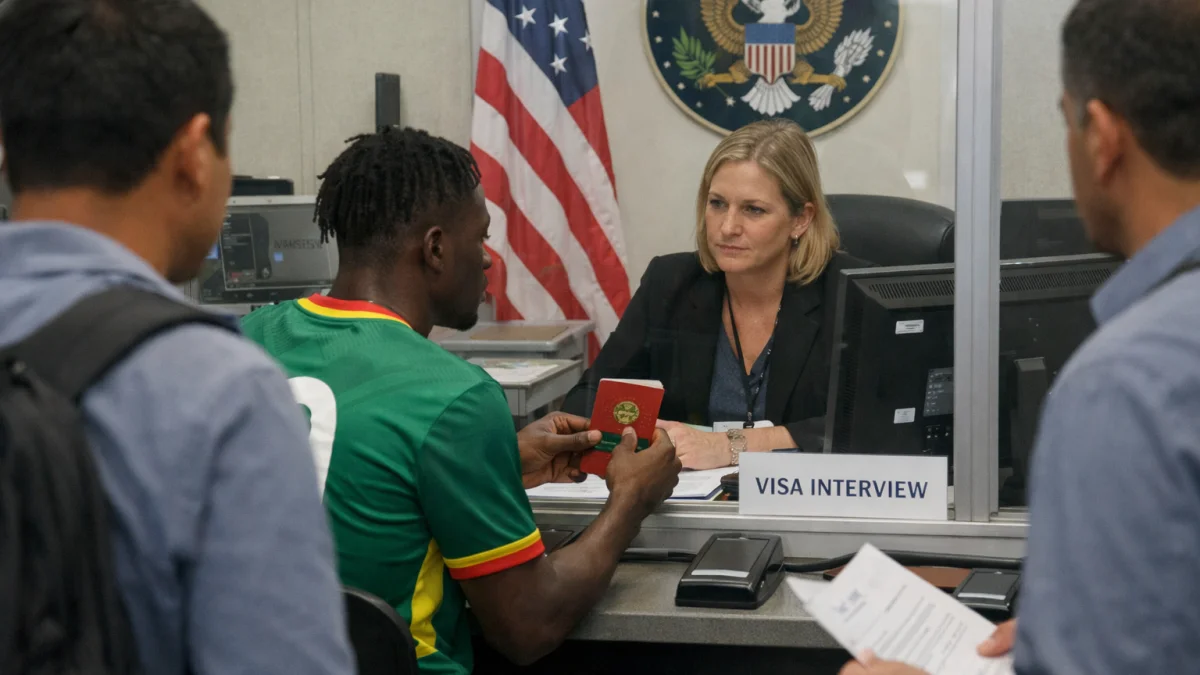
The most prominent case involved Somali referee Omar Abdulkadir Artan, who was denied entry despite holding a valid U.S. visa and being appointed by FIFA to officiate World Cup matches. U.S. Customs and Border Protection said he was found inadmissible following additional vetting but did not publicly disclose detailed grounds, while FIFA acknowledged that immigration decisions ultimately rest with national authorities. The incident prevented Somalia's first World Cup referee from participating and became an international symbol of the broader dispute over tournament access.
Additional controversies have involved members of Iran's World Cup delegation. Although players ultimately received visas after diplomatic efforts, reports from Iranian officials indicated that several support staff members were refused entry, prompting Tehran to accuse Washington of discriminatory treatment. U.S. officials responded that visas necessary for athletes and essential personnel had been issued while emphasizing continued security screening. The episode illustrated how even partial restrictions can complicate tournament logistics without preventing competition itself.
Supporters from several countries have also reported visa difficulties or high refusal rates, contributing to criticism that unequal access risks limiting the inclusive atmosphere traditionally associated with the World Cup. While some claims regarding fan denials remain contested or vary by country, the cumulative effect has reinforced international attention on U.S. visa administration throughout the tournament.
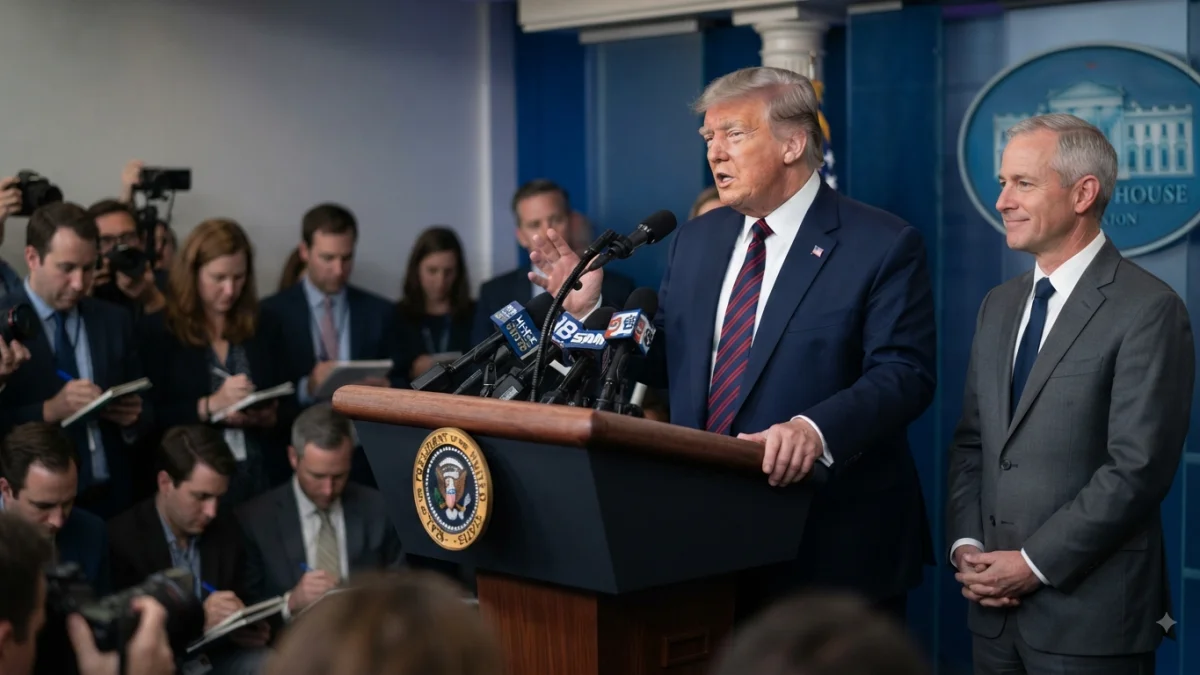
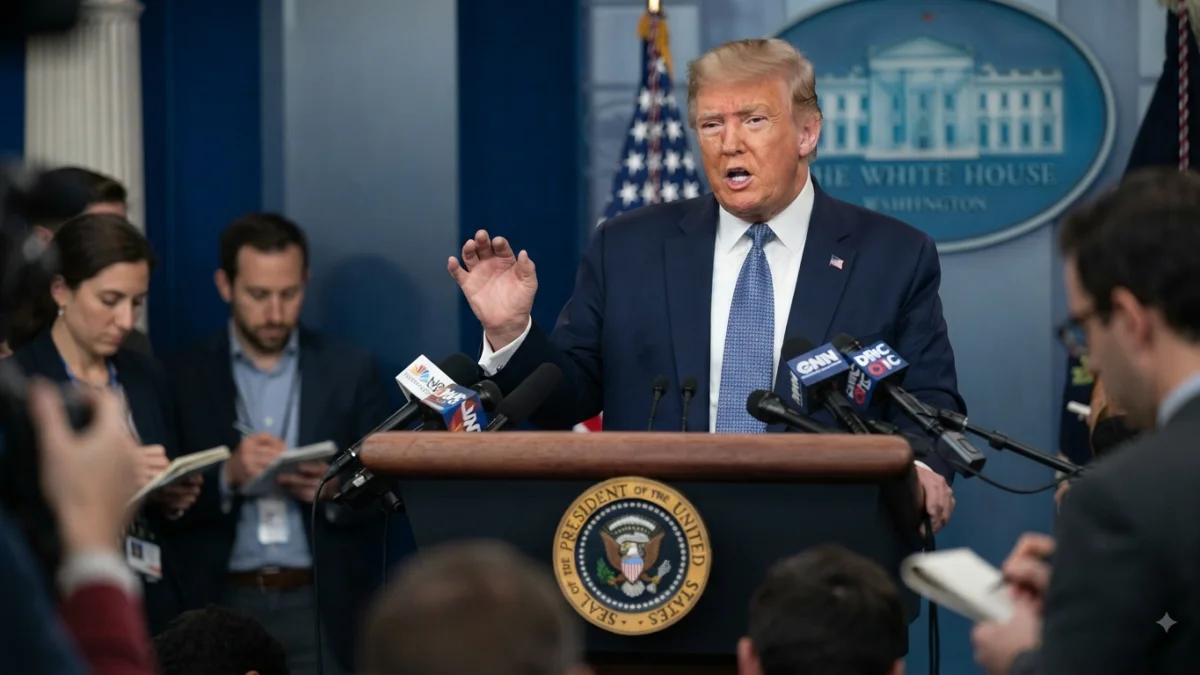
From the U.S. government's perspective, the controversy reflects established immigration principles rather than tournament-specific policy. The administration has repeatedly argued that national security screening cannot be waived because of an international sporting event. Officials have maintained that millions of legitimate visitors continue to enter the country each year and that individual visa or admissibility decisions are based on existing immigration law and security assessments rather than sporting considerations.
FIFA has adopted a cautious position. President Gianni Infantino acknowledged that the organization seeks practical solutions behind the scenes but stressed that FIFA cannot override the legal authority of host governments. He has also defended the choice of the United States as a host, arguing that the governing body must work within national legal frameworks rather than attempt to dictate immigration policy. That approach reflects FIFA's longstanding practice of relying on host governments to fulfill tournament commitments while avoiding direct confrontation over domestic policy.
Historically, host countries have frequently introduced temporary visa facilitation measures for major sporting events. Previous World Cups in countries such as Brazil, Russia and Qatar used tournament-specific entry systems that simplified access for accredited participants and many ticket holders, although each host retained ultimate control over admission. The United States has instead emphasized its existing immigration procedures, placing greater weight on individual vetting than on broad tournament exemptions.
The diplomatic implications extend beyond football. Major sporting events increasingly serve as instruments of public diplomacy, allowing host countries to project openness, administrative competence and international partnership. Difficulties affecting athletes, officials or supporters can therefore influence perceptions of a country's reliability as a host even when security authorities consider their actions justified. Analysts note that balancing border enforcement with international commitments has become more challenging as geopolitical tensions and security concerns have intensified globally.
The issues may also shape expectations for future international events in the United States, including the 2028 Los Angeles Olympic Games, where similar questions about participant access and visa processing are likely to receive close scrutiny. International sports federations, governments and host authorities may face renewed discussions over whether additional guarantees or administrative mechanisms are needed to minimize conflicts between immigration policy and tournament participation.
As the World Cup continues, the confirmed situation remains that U.S. authorities retain full control over visa issuance and border admission, while FIFA continues to work with governments to resolve individual cases where possible. Whether additional visa disputes emerge, how remaining applications are handled and whether governments or sporting bodies modify procedures for future events remain the principal developments being monitored by officials and international observers.