LAS CRUCES, New Mexico — The Catholic Diocese of Las Cruces is opposing a federal effort to acquire church-owned land near the historic Mount Cristo Rey pilgrimage site for construction related to a U.S.-Mexico border wall project, according to court filings and statements from both the diocese and federal authorities.
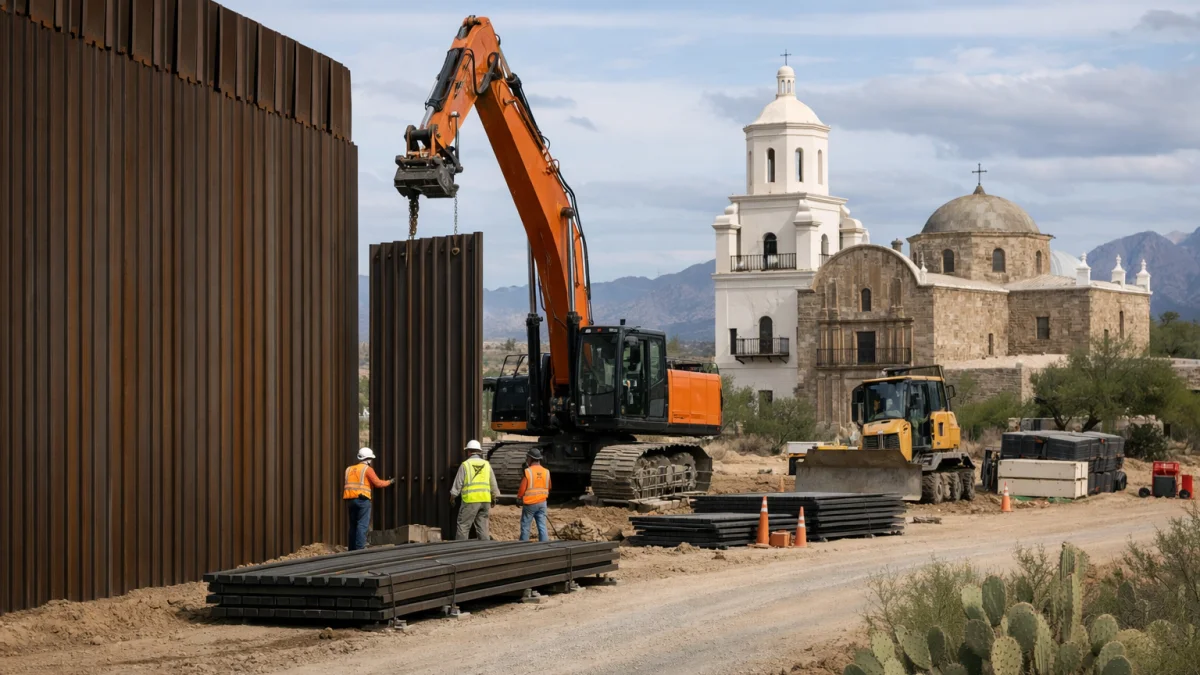
The dispute centers on land at the base of Mount Cristo Rey in Sunland Park, New Mexico, a religious landmark topped by a limestone statue of Jesus Christ and visited annually by thousands of pilgrims. The U.S. government has sought to obtain approximately 14 acres through eminent domain, saying the property is needed for border-security infrastructure, including fencing, roads, lighting, cameras and sensors.
In legal filings submitted in May, the diocese argued that construction of a border barrier near the site would interfere with religious practices and pilgrimage routes. The diocese said the project could harm the site's religious and cultural significance and violate protections guaranteed under the U.S. Constitution and the Religious Freedom Restoration Act.
“The erection of a border wall through or along this holy site could irreparably damage its religious and cultural sanctity,” the diocese said in court documents.
Federal authorities have defended the project as part of broader border-security efforts. According to court filings cited by media reports, the government intends to use the land to construct and maintain infrastructure designed to help secure the U.S.-Mexico border.
U.S. Customs and Border Protection has said access to the shrine itself would not be affected because visitors enter from the U.S. side. The agency has also described the area as a route used by smugglers and said additional security measures are needed.
Mount Cristo Rey has long served as a religious and cultural landmark for communities in southern New Mexico, West Texas and neighboring areas of Mexico. Construction activity associated with the border project began earlier this year after federal authorities advanced plans for additional wall segments in the region.
The case has drawn attention from religious liberty advocates and local officials, some of whom have expressed support for the diocese's position. Federal officials, meanwhile, have continued to pursue the land acquisition through court proceedings.
As of Sunday, the legal dispute remained ongoing. Court proceedings concerning the government's effort to acquire the property were continuing, and the final outcome had not been determined. Details about future construction timelines remain unclear.