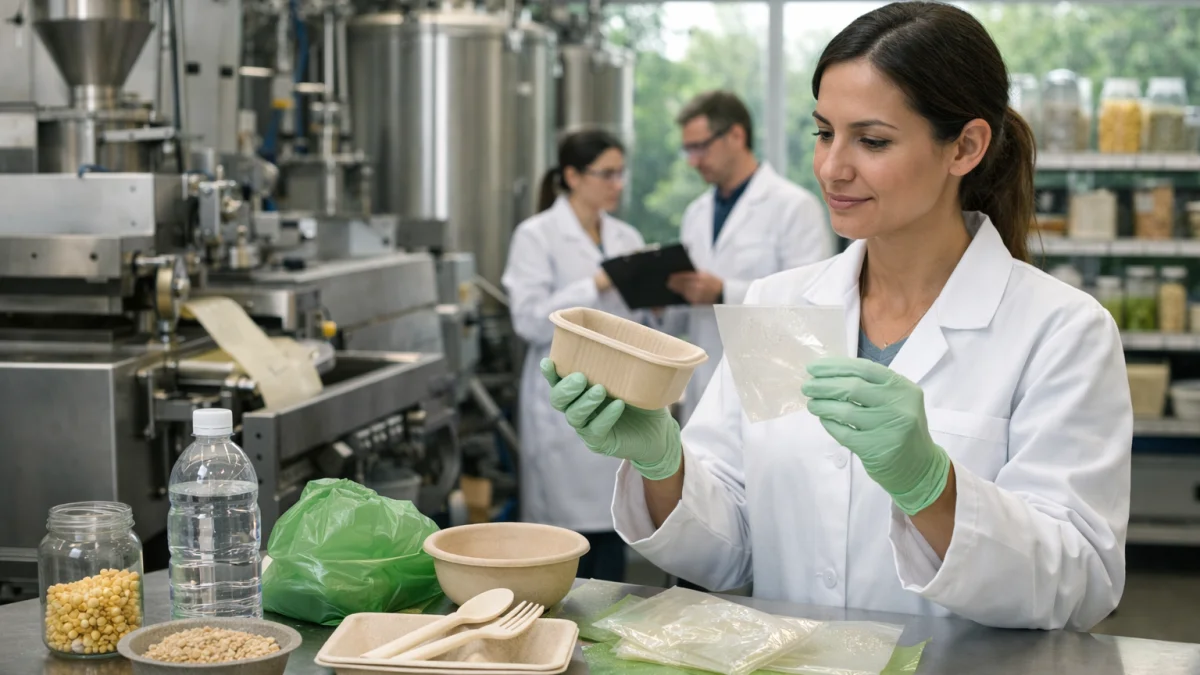
SINGAPORE — Researchers and materials companies are advancing a new generation of bioplastics designed to reduce reliance on fossil fuel–derived polymers, with recent developments in microbial fermentation, agricultural waste processing and plant-based feedstocks highlighting progress toward more sustainable alternatives, according to peer-reviewed studies and institutional announcements published in 2026.
The push for bioplastics comes as governments and industries face pressure to reduce plastic-related emissions and waste, while maintaining demand for durable packaging, consumer goods and industrial materials. Scientists say bioplastics produced from organic waste streams and renewable biomass could help lower greenhouse gas emissions and reduce dependence on petrochemical supply chains, though scalability and performance parity with conventional plastics remain key challenges, according to research published in npj Materials Sustainability in May 2026.
Recent studies describe advances in so-called polyhydroxyalkanoates (PHA), biodegradable polymers produced by engineered microbes using agricultural residues and organic waste. Researchers behind one 2026 review said “intelligent biomanufacturing integrating engineered microbes, waste-derived feedstocks, green extraction techniques, and AI-driven optimisation” can convert organic residues into bioplastics, though they noted ongoing constraints in production efficiency and industrial scaling.
Parallel developments in plant- and agriculture-based materials are also emerging. A January 2026 review on biodegradable innovations reported that lignocellulosic residues, crop by-products and algal biomass are being investigated as feedstocks for eco-friendly plastics intended to replace petrochemical polymers in selected applications. Researchers have also explored using sawdust, starches and food-industry waste to improve mechanical performance and biodegradability of polymer blends.
In Indonesia, the National Research and Innovation Agency (BRIN) has introduced a palm oil–based material known as BioPAS as a substitute for imported petroleum-derived paraffin used in batik production. BRIN researcher Agus Triputranto said in a statement that the material was developed by modifying triglyceride structures in domestic palm oil and has obtained a patent granted since 2024, according to agency information.
In another development highlighting industrial interest in bio-based materials, researchers in Europe have reported progress in rigid bioplastics with reduced carbon emissions compared with fossil-based PET, though they did not indicate commercial rollout timelines.
A spokesperson for BRIN said in a statement that the BioPAS innovation is intended to “support sustainable batik production while strengthening the connection between Indonesia’s palm oil sector and creative economy.”
As of late June 2026, researchers and institutions continue to test bioplastic formulations for durability, cost competitiveness and large-scale manufacturability. No single bioplastic technology has yet been confirmed as a full replacement for fossil fuel–based plastics across all major applications, according to the studies reviewed.