LONDON — Oil prices surged on Friday as disruptions to key shipping routes in the Middle East continued amid the ongoing conflict involving Iran, U.S. and Israeli forces.
Brent crude, the global benchmark, rose more than 3 percent in early trading to top $116 a barrel, according to market data. West Texas Intermediate futures also climbed, approaching $103 a barrel. The increases followed renewed tensions after U.S. President Donald Trump signaled additional military operations against Iran.
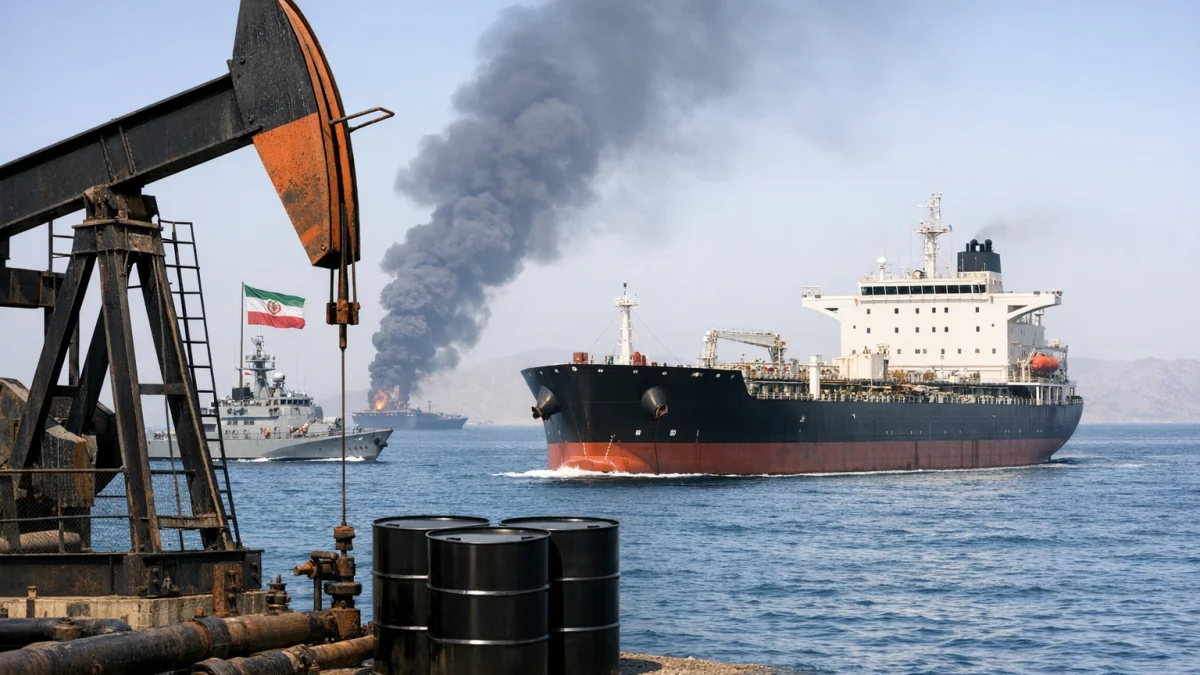
The escalation followed U.S. and Israeli strikes on Iranian targets that began on Feb. 28. Iran responded by restricting navigation through the Strait of Hormuz, a narrow waterway that normally carries about one-fifth of global oil and liquefied natural gas shipments, industry trackers said.
Traffic through the strait has fallen sharply since early March, with tanker transits dropping to a fraction of normal volumes, according to vessel-tracking data cited by Reuters. Several producers in the Gulf, including Iraq and others, have cut output due to export constraints and storage limits. QatarEnergy declared force majeure on LNG exports after the disruptions.
Oil prices have risen about 60 percent since the conflict began, market reports showed. The International Energy Agency has described the supply interruption as the largest in global oil market history, with nearly 20 million barrels per day of crude and product flows affected at peak disruption.
"The U.S. has signalled a four- to five-week campaign, Iran is seeking to regionalise the conflict and the crucial Strait of Hormuz chokepoint is effectively shut," one analyst told Reuters in early March as prices climbed.
Iran has accused the U.S. and Israel of preparing further aggression, while U.S. officials have stated their military objectives are nearing completion. On Thursday, Trump vowed more aggressive actions, prompting a fresh jump in prices, according to trading reports. Iranian officials warned of "broader and more destructive" responses.
The conflict has hit energy infrastructure on multiple sides. U.S. and Israeli forces have targeted Iranian military and industrial sites, including steel plants and missile production facilities. Iran has launched missiles and drones toward Israel and Gulf states, with some strikes affecting energy-related targets in the region.
Details on the full extent of damage to oil facilities remain unclear, as both sides have issued limited verified information on production impacts.
Global fuel prices have risen in response. U.S. gasoline prices climbed above $4 per gallon in some areas for the first time in nearly four years, industry sources said. European gas prices have also surged.
Officials in several countries, including the European Union, have warned that high energy costs could persist even if shipping resumes soon, due to the time needed to restore flows and rebuild inventories.
As of Friday, navigation in the Strait of Hormuz remained severely restricted, with hundreds of tankers stranded near Gulf ports, shipping data indicated. Saudi Aramco and other producers have explored alternative routes, though options are limited.
No immediate resolution to the disruptions was reported. Markets remained volatile, with prices swinging in response to statements from Washington and Tehran.