

LONDON — Oil prices swung sharply on Monday as Iran reimposed strict controls over the Strait of Hormuz, reversing a brief reopening of the vital shipping lane amid persistent U.S.-Iran tensions, traders and analysts said.
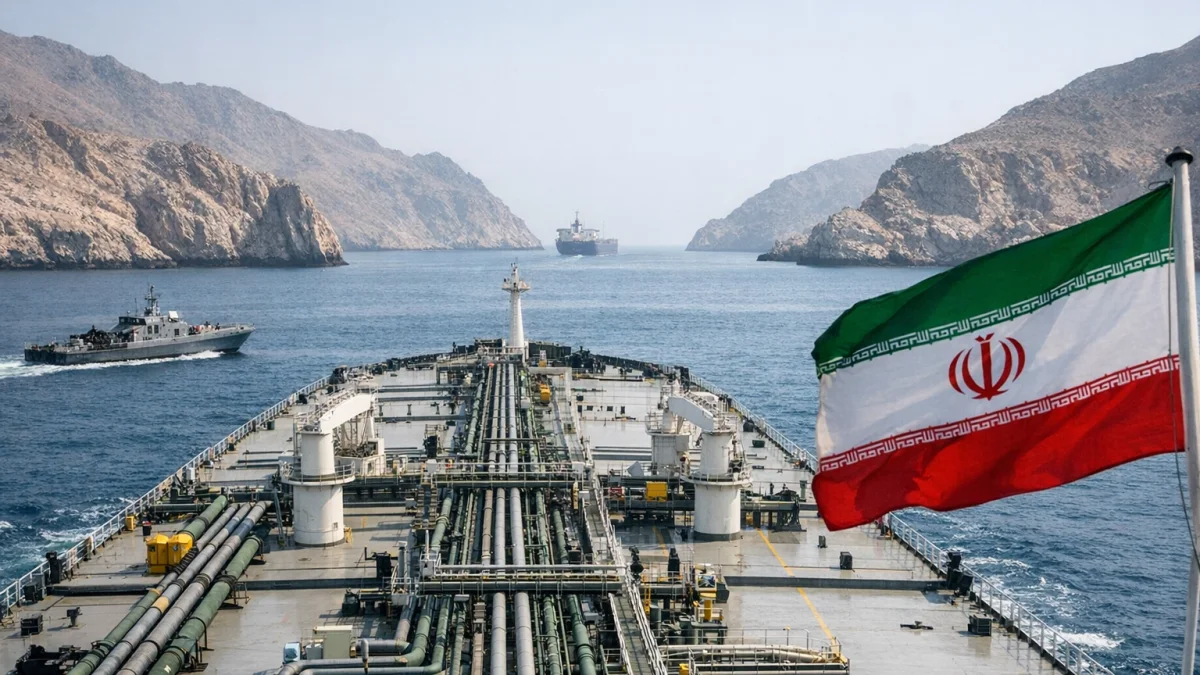
Iran's military announced on Saturday that control of the strait had returned to its "previous state" under strict management by the armed forces. The move followed a short period when Iranian officials declared the waterway open to commercial vessels, which had triggered an immediate drop in oil futures. Iran's Islamic Revolutionary Guard Corps Navy warned that transit would remain restricted until the United States lifted its naval blockade of Iranian ports.


The Strait of Hormuz, through which about one-fifth of global oil supplies historically passes, has been a flashpoint since the escalation of conflict between the U.S., Israel and Iran. Iran briefly eased restrictions last week in line with aspects of a fragile ceasefire, sending benchmark prices lower. Brent crude fell as much as 10-12 percent on Friday to around $88-90 per barrel before paring some losses, according to market reports.
On Monday, prices rebounded as news of the reimposed controls circulated. Exact intraday figures varied by exchange, but traders reported renewed volatility with gains of several dollars per barrel in early trading. Shipping data showed multiple vessels turning back after attempting passage, according to vessel tracking sources.
"This development adds uncertainty to already fragile supply expectations," said one London-based oil trader, who declined to be named due to company policy on public comments.
The restrictions come as a U.S. delegation prepares to travel to Pakistan for a new round of talks with Iran. President Donald Trump announced on Sunday that negotiators, expected to include Vice President JD Vance, special envoy Steve Witkoff and Jared Kushner, would arrive in Islamabad on Monday. The planned discussions follow an initial round in Islamabad on April 11-12 that lasted more than 21 hours but failed to produce an agreement.
Trump repeated warnings of potential U.S. strikes on Iranian infrastructure if no deal is reached. Iran has rejected participation in the new talks, according to state media, citing the continued U.S. blockade and other demands. Pakistani officials have continued mediation efforts, though details on attendance remained unclear as of Monday.
The ceasefire between the sides, announced earlier in April, is nearing its scheduled expiration. Issues under discussion include Iran's nuclear program, sanctions and maritime security in the strait.
Oil market participants continued to monitor developments closely. Major producers in the Gulf region have not issued immediate statements on production adjustments. Further updates on shipping volumes through the strait or precise price movements were expected throughout the day as talks in Pakistan unfold.