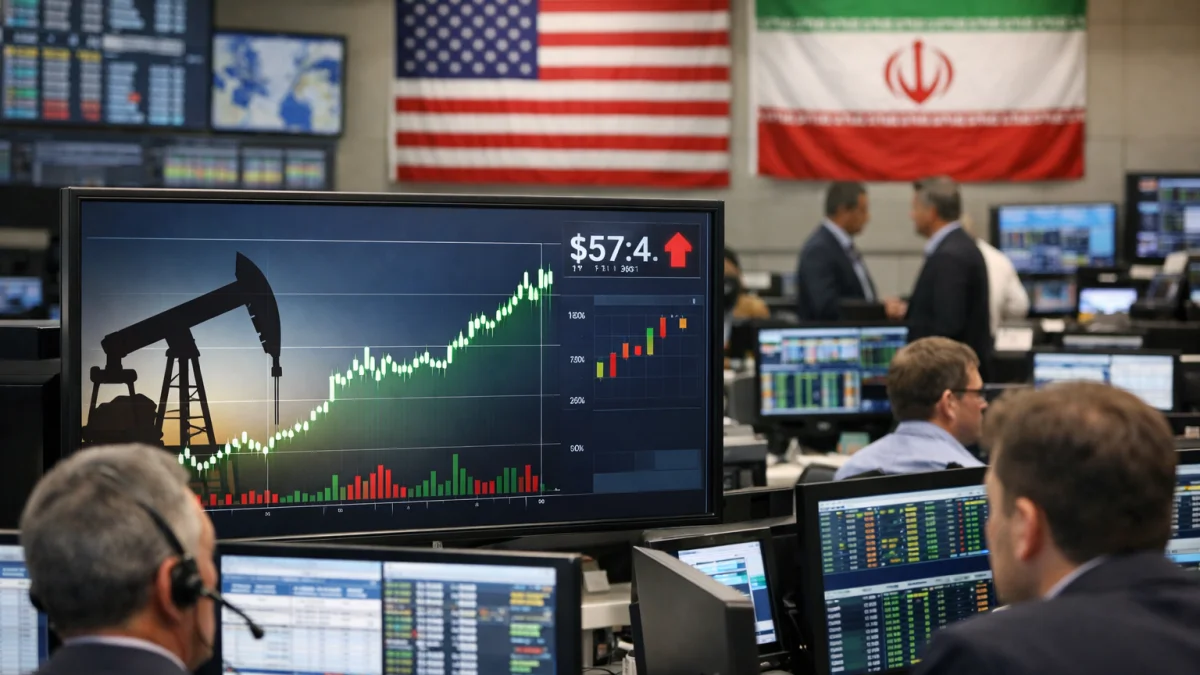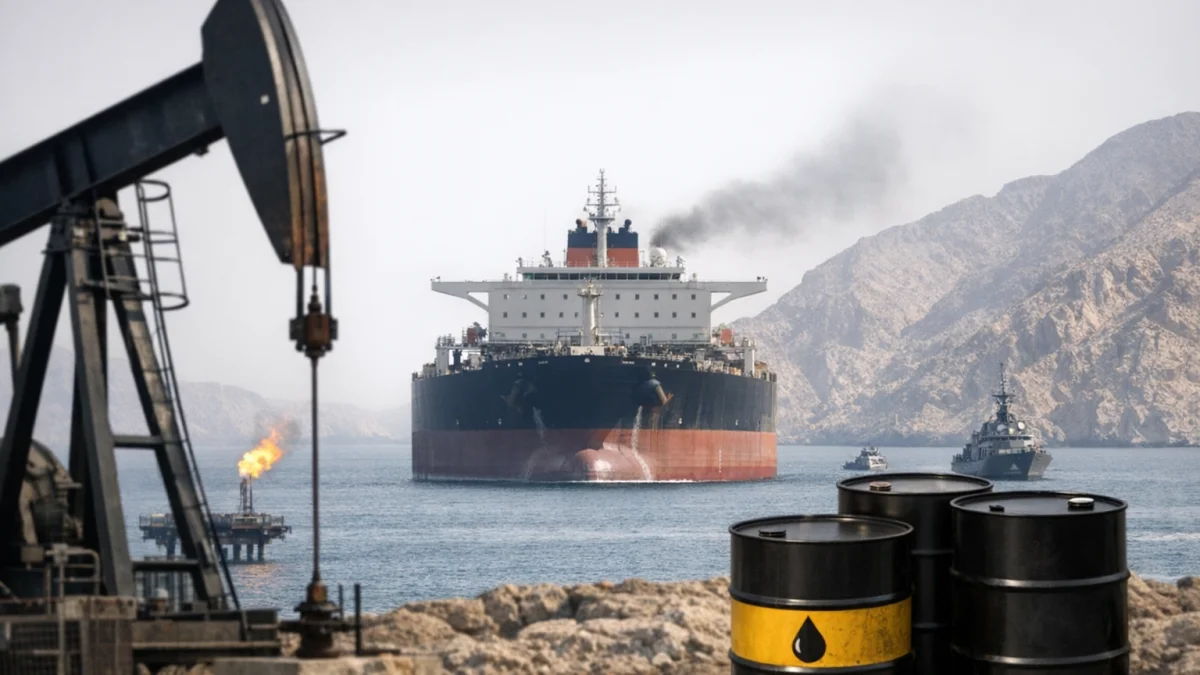
LONDON — Oil prices surged on Monday as the Strait of Hormuz remained closed amid the ongoing Iran crisis and stalled U.S.-Iran peace talks, market participants and analysts said.
Brent crude futures rose more than 6 percent in early trading, while West Texas Intermediate gained a similar amount, according to trading data. The increase followed renewed uncertainty over the critical waterway, through which about one-fifth of global oil supplies normally pass. Shipping traffic through the strait has been at a near standstill in recent days, industry sources reported.
Iranian officials have maintained the closure, citing what they described as breaches of trust by the United States during a fragile ceasefire. An Iranian official stated that the strait would “under no circumstances” return to its previous status without concessions, Iranian state media reported. The move came after a brief period last week when Iran indicated the waterway might reopen following indirect talks in Pakistan.
The closure has compounded supply concerns stemming from the broader conflict involving Iran, the United States and Israel. The International Energy Agency has previously characterized disruptions in the region as among the largest in the history of the global oil market. Major producers in the Gulf have been affected, with some rerouting limited volumes through pipelines that cannot fully compensate for tanker traffic.
U.S. President Donald Trump has said the ceasefire would remain in place indefinitely while awaiting a new proposal from Iran. Iranian Foreign Minister Abbas Araghchi, who met Russian President Vladimir Putin in St. Petersburg on Monday, blamed excessive U.S. demands for the breakdown in earlier negotiations. Araghchi told Iranian media the discussions in Russia would address “developments in the war and review the latest situation.”
Market participants expressed concern that prolonged closure could lead to further volatility. “The security of the Strait of Hormuz is not free,” Iran’s First Vice President Mohammad Reza Aref was quoted as saying in recent remarks. Details on exact volumes of oil affected or the duration of the current closure remained unclear as of Monday.
Governments have released strategic reserves to mitigate shortages, including a large draw from U.S. stocks. However, analysts warned that sustained disruption risks higher prices and potential fuel shortages in import-dependent regions. No immediate comments were available from OPEC or major Gulf producers on Monday’s price movement.
As of Monday evening, shipping data showed minimal traffic through the strait, and diplomats continued efforts to resolve the impasse. Further price movements would depend on developments in talks and any changes to the status of the waterway, traders said.