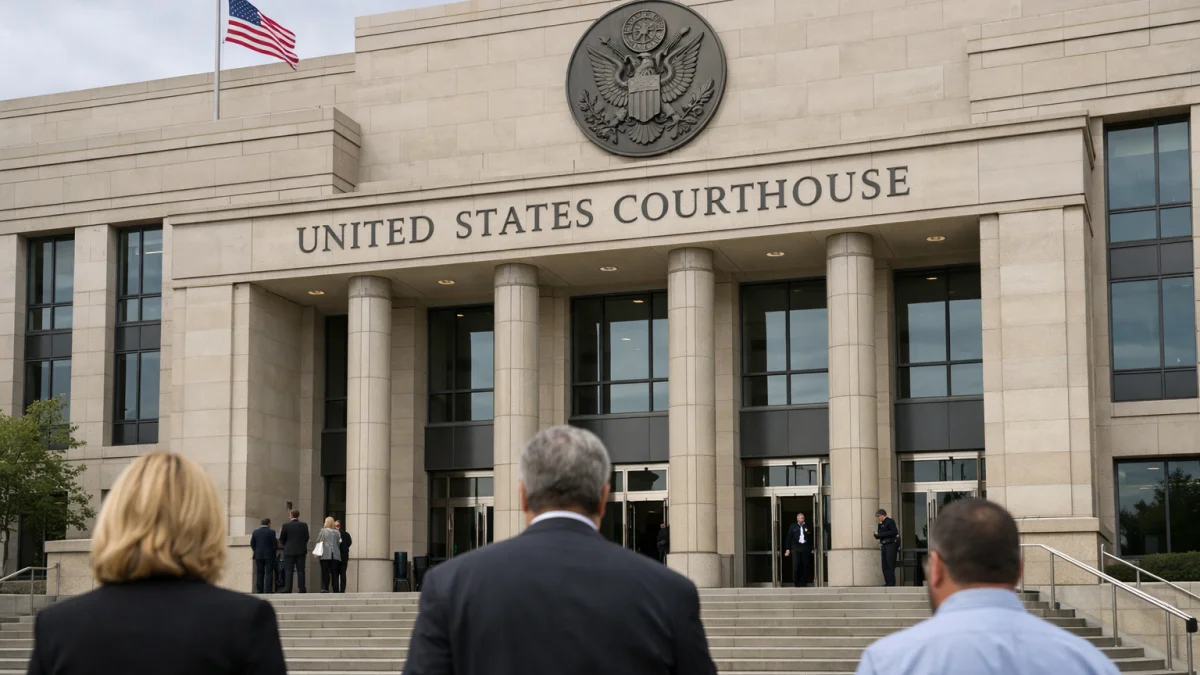
WASHINGTON — A growing number of U.S. states are seeking to regulate prediction market platforms as federal regulators pursue lawsuits aimed at blocking state enforcement actions, intensifying a legal dispute over whether the markets fall under federal financial oversight or state gambling laws.
The conflict centers on platforms such as Kalshi and Polymarket, which allow users to trade contracts tied to the outcomes of future events, including sports, politics and economic indicators. Several states have argued that some of these products constitute unlicensed gambling and have filed lawsuits, criminal complaints or cease-and-desist orders against operators. Federal regulators, however, maintain that prediction markets are subject to federal commodities law.
On June 12, the U.S. Commodity Futures Trading Commission filed a lawsuit against New Mexico after the state sued Kalshi, alleging that certain prediction market offerings amounted to unlawful online sports betting. In its complaint, the CFTC argued that federal law grants it exclusive authority over regulated event-contract markets and preempts state laws that seek to regulate those products.
“New Mexico is the latest state seeking to nullify black letter law and decades of judicial precedent by imposing state gaming laws on federally regulated derivatives exchanges,” CFTC Chairman Michael S. Selig said in a statement announcing the lawsuit.
The New Mexico case is one of several legal battles filed this year. The CFTC has also brought actions against states including Wisconsin, New York, Connecticut, Illinois and Arizona, according to agency statements. More recently, the agency filed suit against Kentucky after state officials challenged the operations of prediction market companies within their borders.
State officials have argued that prediction market operators are offering products that closely resemble sports betting and other forms of wagering traditionally regulated by states. Arizona Attorney General Kris Mayes previously said Kalshi was operating an illegal gambling business in the state, according to court filings and public statements cited by industry reports.
The dispute has drawn attention from lawmakers, industry groups and gambling regulators as prediction markets expand rapidly. Some public officials have called for additional oversight, while platform operators maintain that their products are federally regulated financial contracts rather than gambling services.
Federal courts have begun weighing competing claims over jurisdiction. According to the CFTC, a federal court in Arizona recently issued a temporary restraining order blocking a state criminal prosecution involving a federally regulated prediction market operator while broader legal questions are considered.
As of Thursday, multiple lawsuits remained pending in federal and state courts. No definitive nationwide ruling has been issued on the extent of state authority over prediction markets, and the legal status of several state enforcement efforts remains unresolved.