

JAKARTA — Indonesia's Primary and Secondary Education Ministry is preparing new policies with regional governments to address schools experiencing low student enrollment, as demographic changes, migration and shifting parental preferences reshape demand for education across parts of the country, officials said.
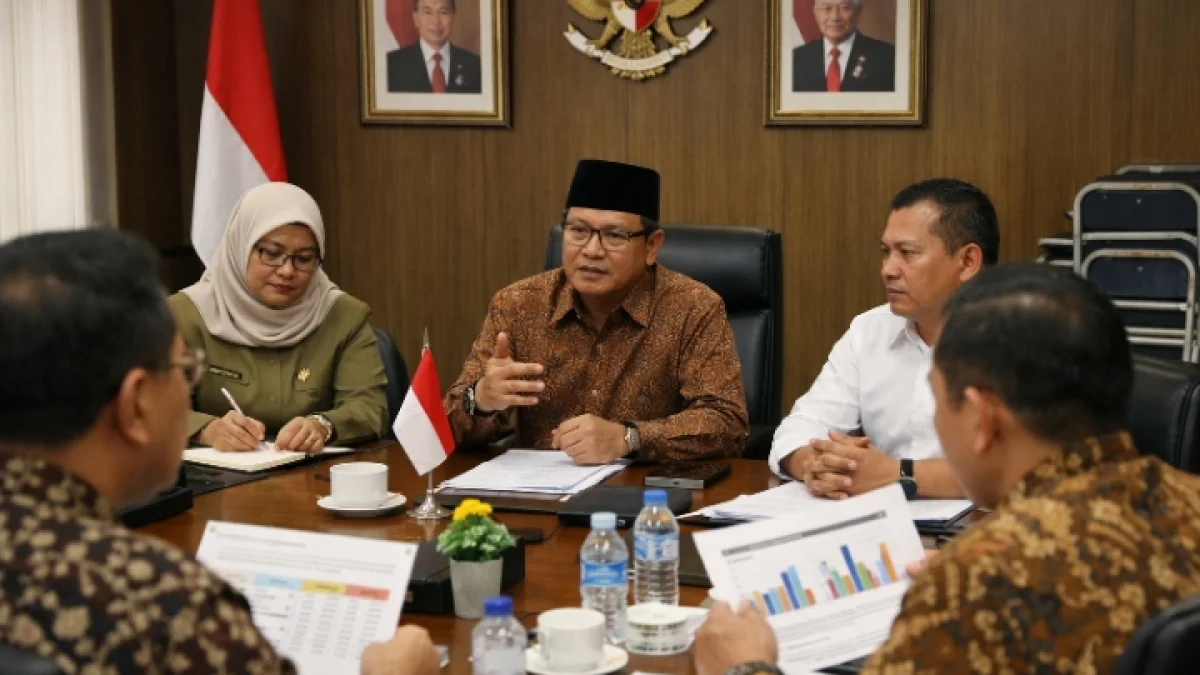
Primary and Secondary Education Minister Abdul Mu'ti said the ministry has collected data through the national Basic Education Data System (Dapodik) to identify schools with fewer than 100 students, including those enrolling fewer than 60, as the basis for formulating targeted measures. The data has also been shared with the Home Affairs Ministry as part of cross-government coordination.


Mu'ti said low enrollment is influenced by multiple factors, including changes in the school-age population, population mobility, new residential development, public preferences for certain schools and differing geographic conditions across regions. Because local governments are responsible for managing schools, he said policy responses will be developed jointly with provincial and district administrations.
According to the minister, the planned measures include improving the quality of teaching and learning, strengthening teacher competencies, upgrading facilities and infrastructure, mapping education needs based on demographic trends and aligning school capacity with regional demand. The ministry also plans to strengthen data-driven planning and conduct regular evaluations with local governments so policies can be adjusted to regional conditions.
Mu'ti said the government is seeking collaboration from regional administrations, educational institutions, parents and communities to support what he described as a more inclusive and equitable education system. He added that a 2025 study by Kompas Research and Development, which found growing parental interest in religiously affiliated elementary schools, had helped the ministry better understand changing public preferences in school selection.
The initiative comes as the government pursues broader education reforms aimed at improving access and reducing the number of children outside the school system. Earlier this year, the government introduced Presidential Regulation No. 3 of 2026 on the prevention and handling of out-of-school children, establishing a framework for coordination among ministries and regional governments to keep children in education or help them return to learning.
The ministry said it will continue coordinating with local governments while refining the policies, with implementation expected to reflect the differing demographic and geographic circumstances facing schools across Indonesia.