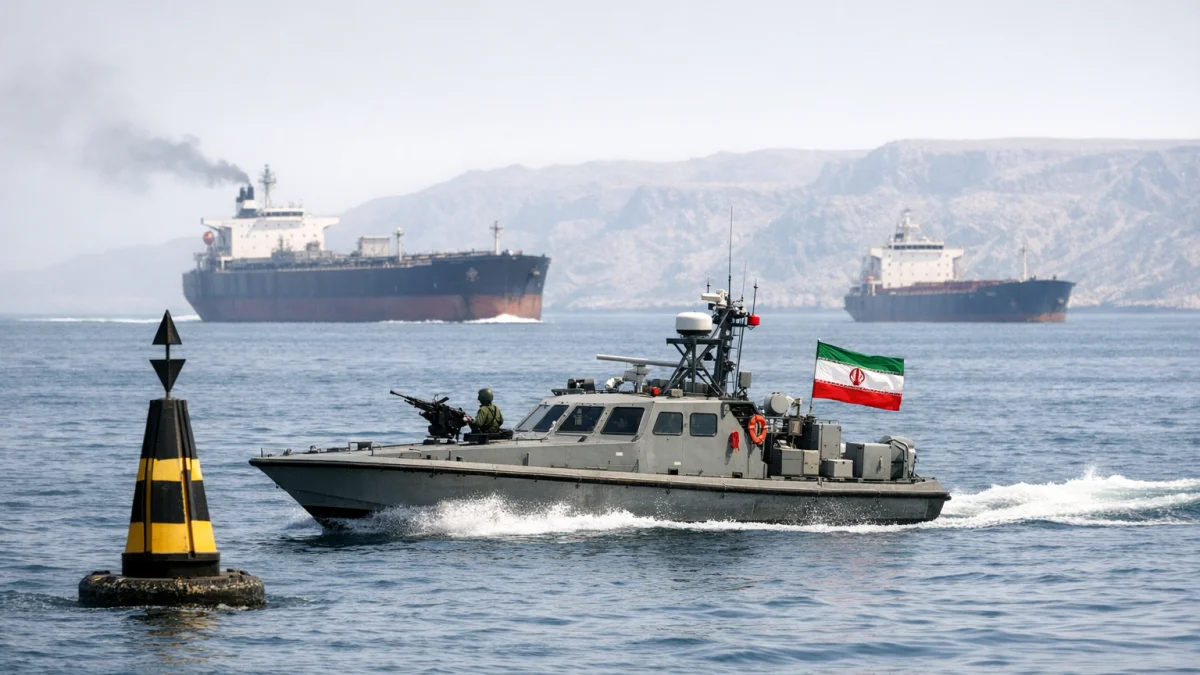


TEHRAN — Iran reimposed restrictions on the Strait of Hormuz and fired on at least two vessels attempting to transit the waterway on Saturday, according to Iranian military statements and maritime security reports.
Iran's joint military command announced that control of the strait had "returned to its previous state" under strict management by the armed forces, state media reported. The move came hours after Tehran had declared the critical passage fully open to commercial traffic on Friday, following a ceasefire in Lebanon.


The United Kingdom Maritime Trade Operations (UKMTO), administered by Britain's Royal Navy, reported two incidents in which vessels were hit. In one case, gunboats operated by Iran's Islamic Revolutionary Guard Corps fired on a tanker without prior radio warning, though the crew was reported safe. A second vessel, described in some accounts as a container ship, was also struck by gunfire or a projectile. Ships in the area turned back following the incidents, shipping sources said.
Iranian officials attributed the reversal to the continued U.S. naval blockade of Iranian ports, which Washington has maintained despite the brief reopening announcement. The Iranian military command warned that transit through the strait would remain blocked as long as the U.S. blockade persisted.
"The strait will not remain open with the continuation of the blockade," parliamentary speaker Mohammad Bagher Ghalibaf said in a statement.
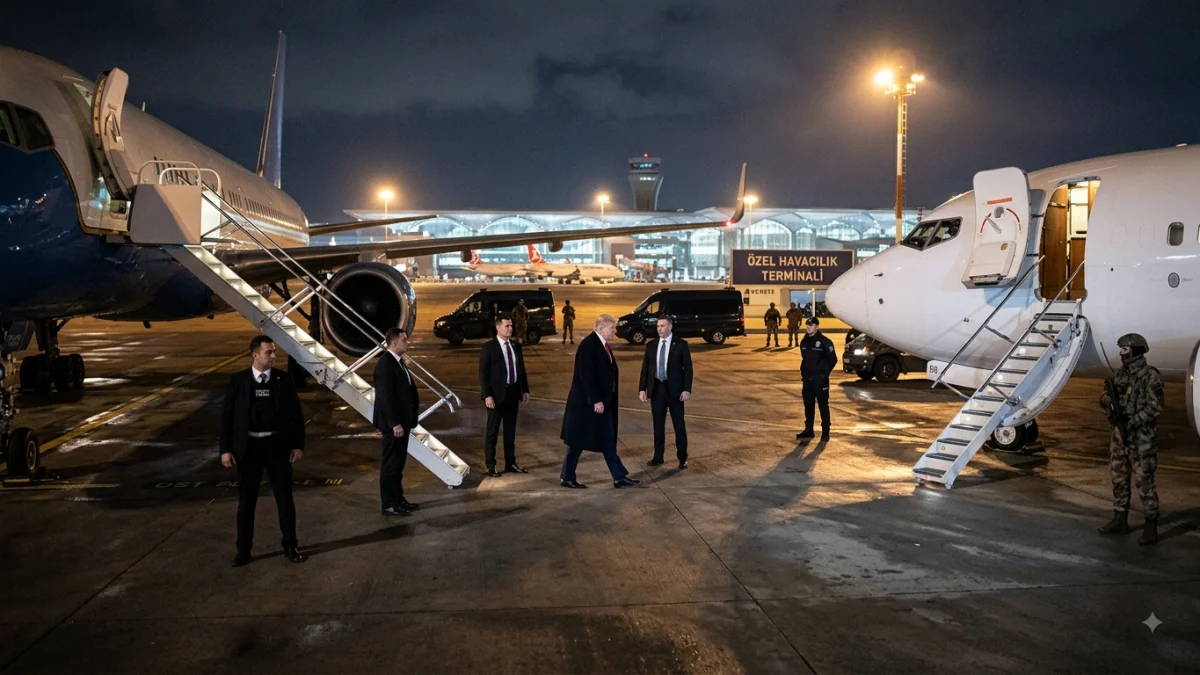
U.S. officials, including President Donald Trump, had welcomed Iran's Friday declaration that the strait was "completely open" during the Lebanon ceasefire period. However, the White House maintained that the blockade on vessels linked to Iranian ports would stay in effect until broader agreements, including on Tehran's nuclear program, were reached.
The Strait of Hormuz, which links the Persian Gulf to the Gulf of Oman, is a vital chokepoint for global energy supplies, with roughly one-fifth of the world's crude oil and liquefied natural gas typically passing through it.
Details of any damage to the targeted ships or precise timing of the gunfire remained unclear early Sunday. No casualties were immediately reported from the Saturday incidents.
The developments followed weeks of heightened tensions in the region, during which Iran had previously restricted traffic in the strait amid broader conflict involving the United States, Israel and Lebanon. Shipping traffic had been significantly disrupted for extended periods earlier in 2026.
As of Sunday morning, reports indicated that merchant vessels continued to receive radio messages from Iranian forces instructing them that passage was not permitted without authorization.
The U.S. State Department and Iranian foreign ministry had no immediate further comment on the latest restrictions when contacted.