

KANSAS CITY, Missouri — Kansas City is preparing for one of the most prominent moments in its history as a host venue for the 2026 FIFA World Cup, with city officials, businesses and transportation agencies implementing final measures ahead of a series of tournament matches expected to draw hundreds of thousands of visitors.
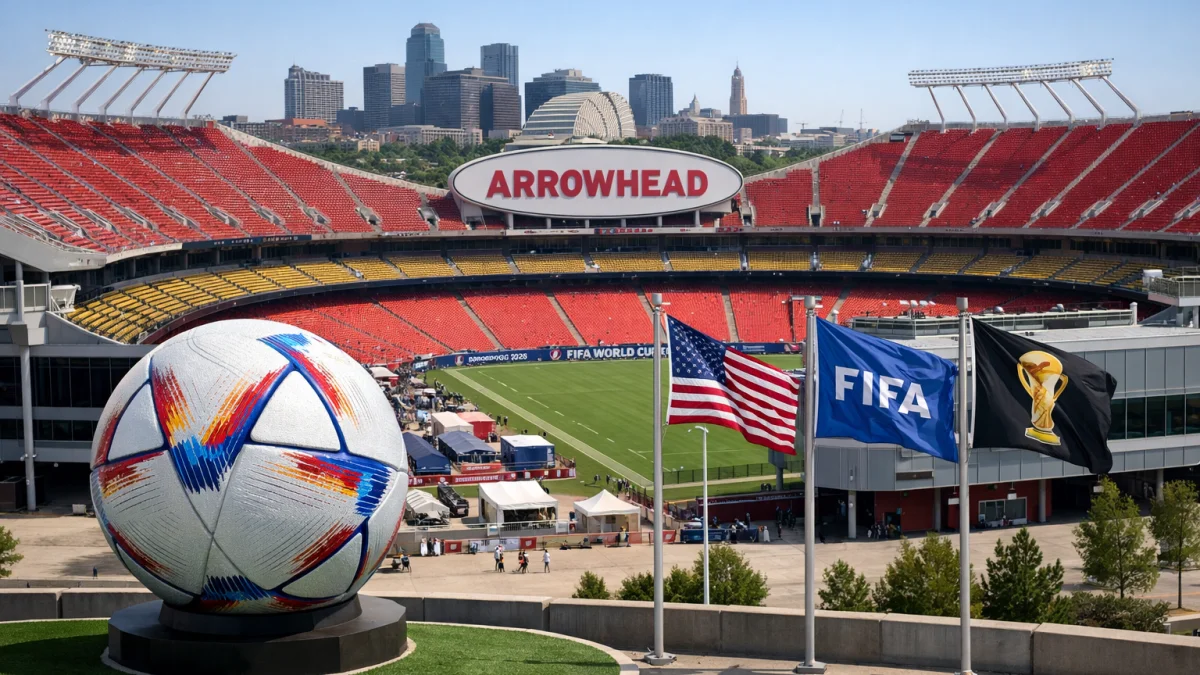
The city hosted its first World Cup match on June 16 and is scheduled to stage a total of six matches, including knockout-round games, at Arrowhead Stadium, which is operating as “Kansas City Stadium” under FIFA tournament rules. Local officials have described the event as the largest international sporting competition ever hosted by the metropolitan area.


Mayor Quinton Lucas said previously that Kansas City was ready to welcome teams and supporters from around the world. “Kansas City is excited to welcome fans and followers of the national teams competing” during the tournament, Lucas said in a city statement released after FIFA confirmed the match schedule.
Preparations have included transportation upgrades, public safety planning, health preparedness initiatives and stadium modifications designed to meet FIFA requirements. City officials said departments have worked for several years on infrastructure and operational projects intended to support both residents and international visitors.
Arrowhead Stadium underwent extensive changes before the tournament. According to local media reports, seating was temporarily removed in some sections, signage was modified and a new soccer-specific playing surface was installed to comply with FIFA standards.
Kansas City has also opened a FIFA Fan Festival at the National World War I Museum and Memorial grounds, providing public viewing areas, cultural events and entertainment for visitors without match tickets. Organizers said registrants for the festival came from more than 150 countries, reflecting the global reach of the tournament.
Transportation has been a major focus because of the anticipated influx of visitors. Local and state authorities expanded transit services, added shuttle options and coordinated regional transportation planning to address expected demand during the month-long event. Officials have estimated that the tournament could bring roughly 650,000 visitors to the Kansas City area, although actual attendance figures will be determined after the competition concludes.
The city has also faced challenges. Public officials have addressed concerns raised by residents regarding security, traffic congestion and emergency response capabilities. Recent incidents involving visitors have prompted continued coordination among law enforcement agencies and tournament organizers.
Kansas City is one of 11 U.S. host cities participating in the tournament, which is being staged across the United States, Canada and Mexico. In addition to group-stage matches, the city is scheduled to host a Round of 32 match and a quarterfinal in July.
As the tournament continues, city officials said operational monitoring remains ongoing, with transportation, security and fan engagement measures remaining in place throughout the remaining matches.