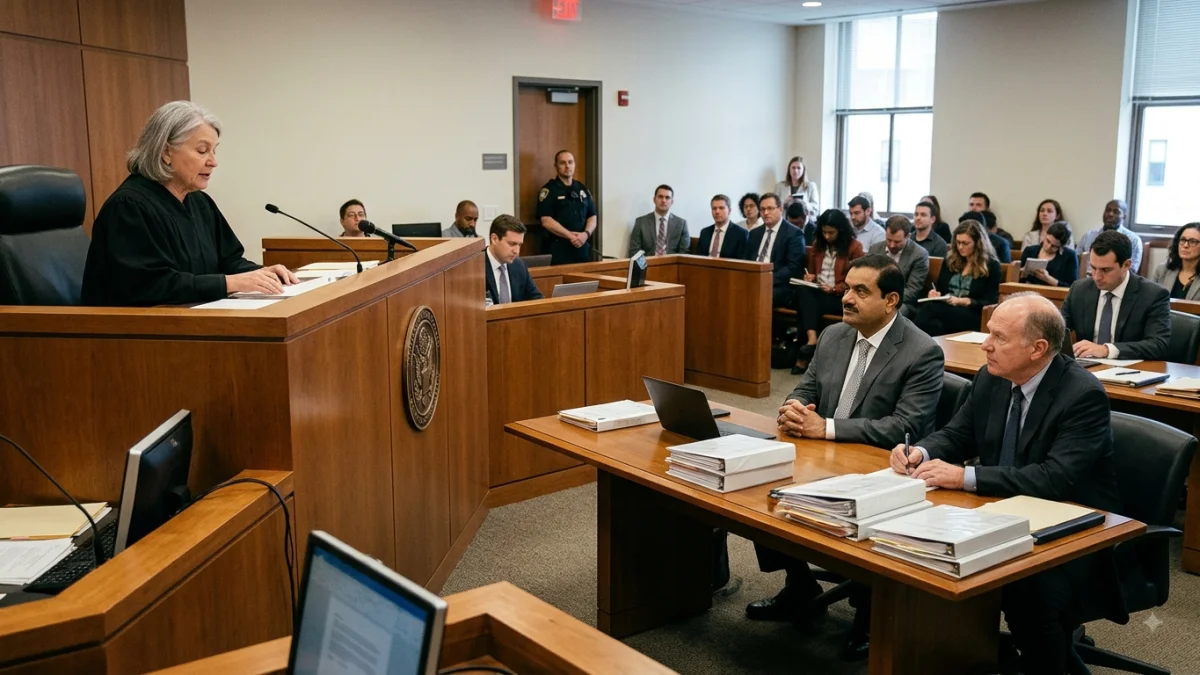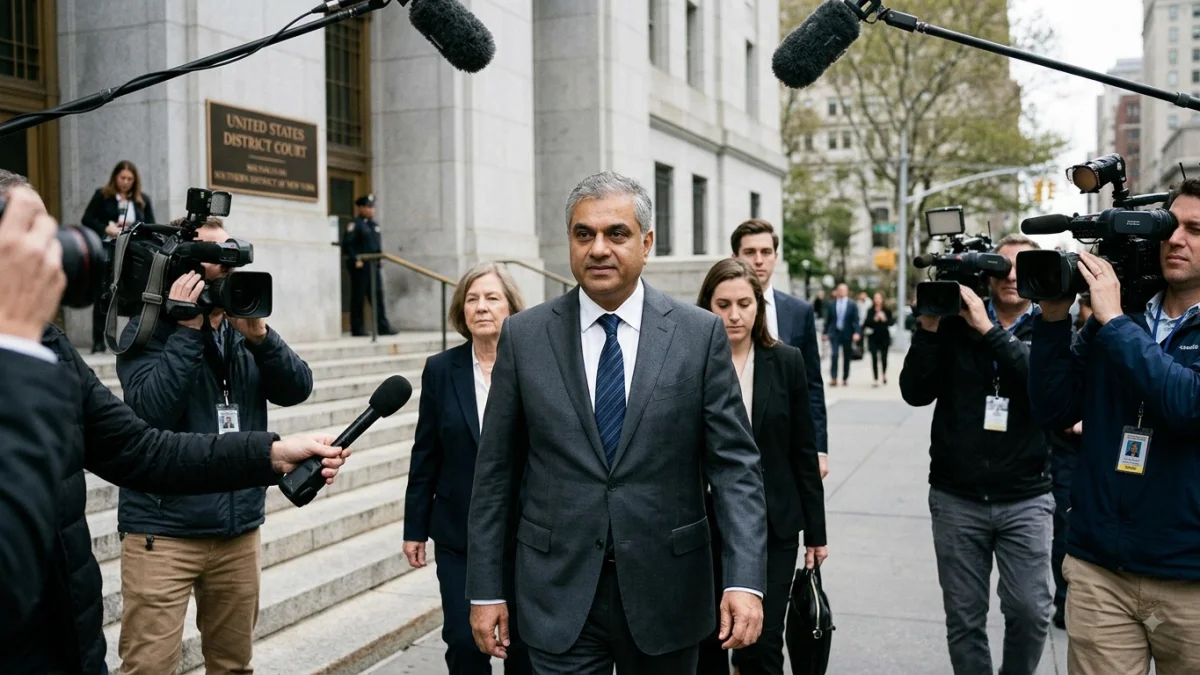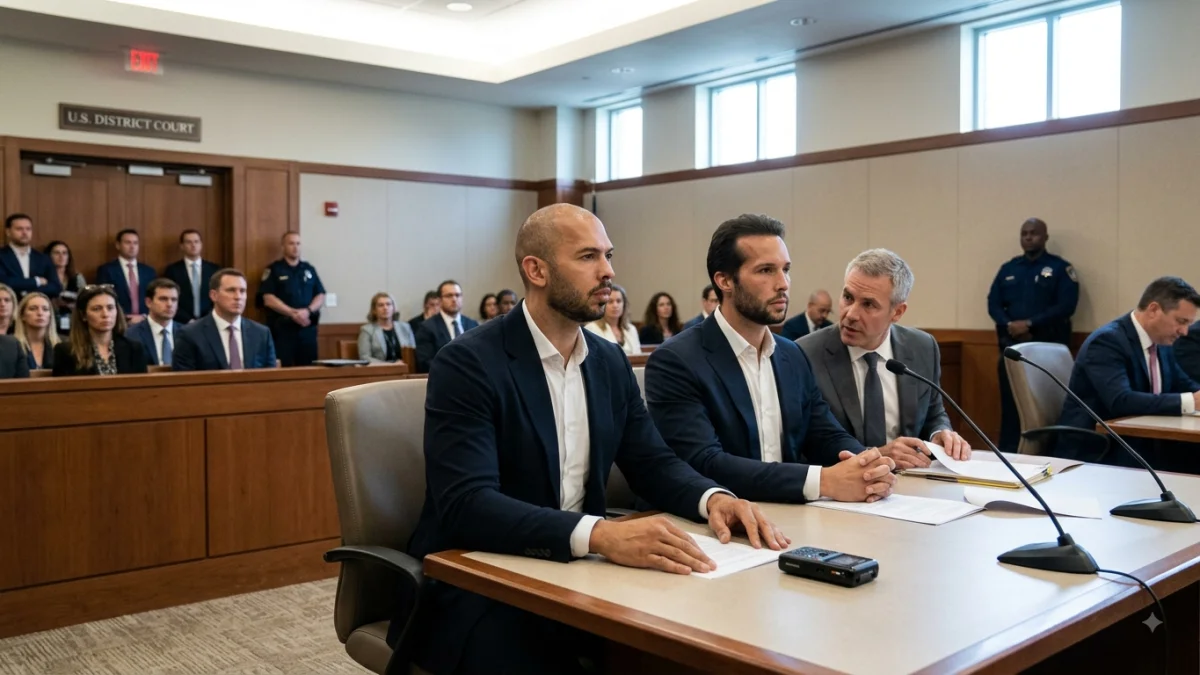


A Miami federal hearing on Thursday over whether Andrew and Tristan Tate should remain detained has moved their extradition fight into a more consequential phase, but it does not determine whether they will ultimately be sent to Britain. The brothers are contesting a U.K. request that could return them to face a combined 59 criminal charges, including rape, sexual assault, trafficking for sexual exploitation and other alleged offenses. They deny wrongdoing.
The immediate issue before U.S. Magistrate Judge Lauren Louis is detention. The brothers were arrested by U.S. Marshals in Miami on July 18 after British prosecutors expanded the case with 38 additional charges. Their lawyers have sought release while the extradition process proceeds, proposing measures including surrender of passports and electronic monitoring. U.S. prosecutors have opposed release, arguing that the brothers present a flight risk and that the seriousness of the allegations weighs against bail.


That distinction is important because a decision on detention is separate from the merits of Britain's extradition request. The Aug. 13 proceeding can determine whether the brothers remain in U.S. custody while the case develops, but it does not amount to a finding of guilt and does not itself order their transfer to the United Kingdom. The broader extradition process is expected to take considerably longer, with Britain required to provide supporting material for its request. Reuters reported that the United Kingdom has until Sept. 16 to submit its full extradition request.
The case has become more complex because the British prosecution has expanded substantially since the brothers' earlier legal battles. The Crown Prosecution Service said in July that the additional charges followed a further file of evidence from Bedfordshire Police and concerned four additional alleged victims, bringing the total number of alleged victims in the case to seven. The alleged conduct is said to date from 2010 to 2017. The CPS has stressed that its charging decision is not a finding of guilt and that the defendants are entitled to a fair trial.
The British case also has a significant legal history. In June, England's High Court rejected the brothers' attempt to obtain judicial review over the Crown Prosecution Service's decision not to disclose, at that stage, the identities of women who had made allegations against them. Justice Chamberlain concluded that the brothers had not established an arguable case that the decision was irrational or violated their fair-trial rights. The court's ruling did not determine the truth of the underlying allegations; it addressed the narrower question of disclosure before the defendants return to Britain.
That earlier ruling matters to the extradition fight because it demonstrates that the British proceedings have already generated substantive judicial scrutiny rather than beginning with the Miami arrest alone. In January 2024, Westminster Magistrates' Court issued extradition warrants, and the Bucharest Court of Appeal later ordered that the brothers could be extradited from Romania after separate Romanian criminal proceedings concluded. The U.K. has now sought their extradition from the United States after they were arrested in Miami.
The defense's central argument on detention is different from the question of whether Britain has established a case for extradition. Lawyers have pointed to the brothers' previous compliance with legal restrictions in Romania and offered conditions intended to reduce any risk of flight. Prosecutors, by contrast, have emphasized the brothers' international movements and the seriousness of the allegations. Recent court filings have also raised questions about multiple passports and identities used by the brothers, material prosecutors say is relevant to assessing flight risk.
Their detention conditions have added another dimension to the hearing. Reuters reported that the brothers are being held in a special housing unit at the Federal Detention Center in Miami. Their lawyers have criticized the conditions, while authorities have said the placement is connected to security concerns and that the facility is providing required access to basic services and legal counsel. Those disputes may influence arguments over continued detention, but they do not resolve the underlying extradition question.
The case therefore remains at an early but important procedural stage. Thursday's hearing can determine whether Andrew and Tristan Tate continue fighting the British request from U.S. custody or do so under conditions of release. The larger questions — whether the United States will ultimately order their extradition and how British prosecutors will proceed if they are returned — remain unresolved. The immediate developments to monitor are the Miami court's detention ruling, Britain's submission of the formal extradition materials by the September deadline, and subsequent U.S. judicial proceedings on the extradition request.