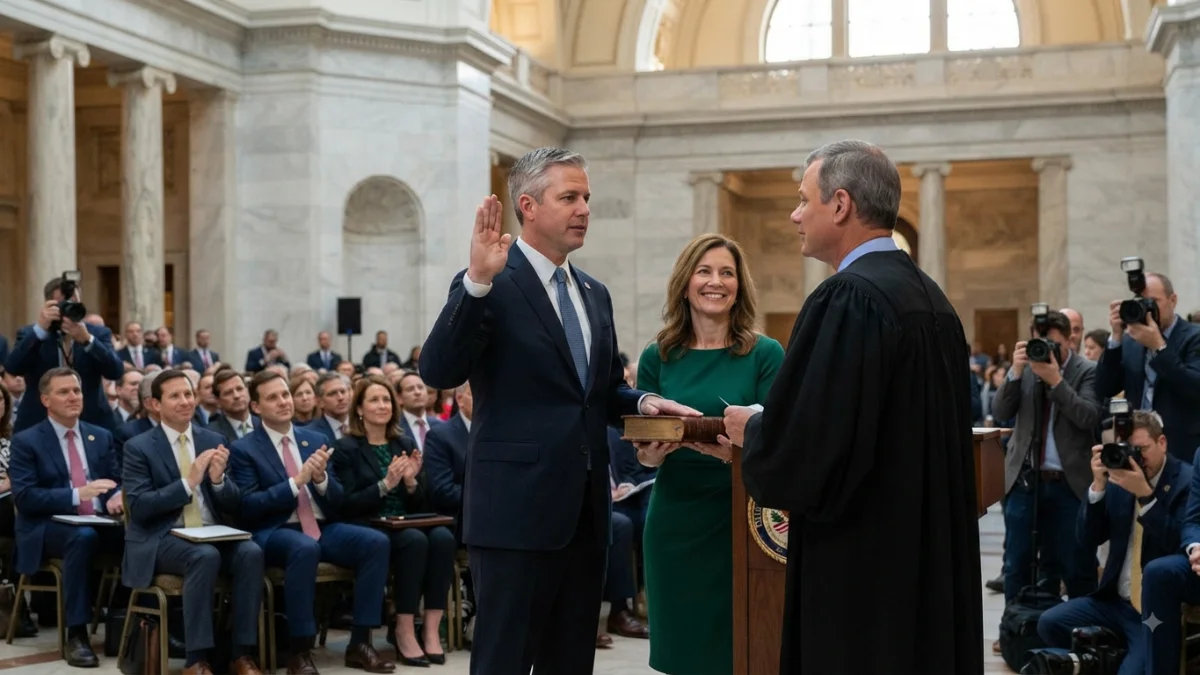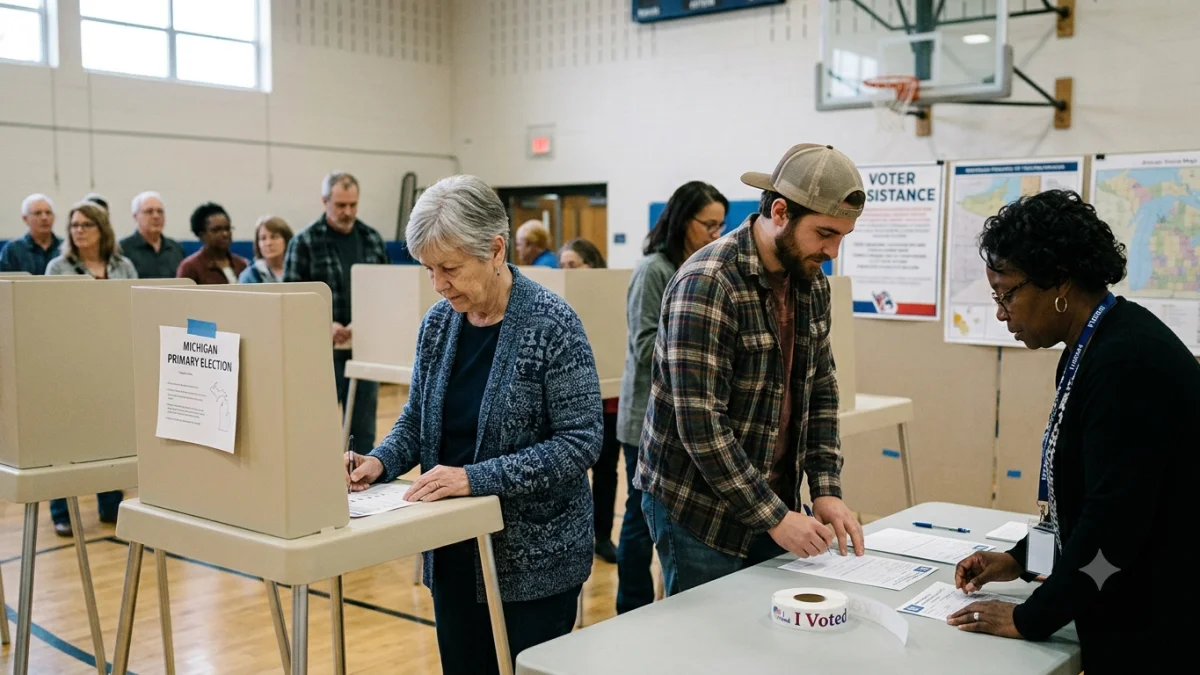


Michigan's Democratic Senate primary has emerged as one of the clearest measures of the progressive movement's ability to compete beyond traditional liberal strongholds, with former Detroit health director Abdul El-Sayed holding a narrow lead over U.S. Representative Haley Stevens in a contest that remained exceptionally close as votes continued to be counted on Aug. 5. The race, prompted by Senator Gary Peters' retirement, has drawn national attention because it combines an open Senate seat in a pivotal swing state with a direct ideological contest over the Democratic Party's electoral strategy.
The significance of the primary extends well beyond Michigan. Democrats view the state as central to their efforts to remain competitive in the Senate, while party leaders have spent much of the 2026 cycle debating whether candidates aligned with the progressive wing can prevail in politically divided states. Michigan's electorate, which has alternated between Democratic and Republican victories in recent presidential and statewide elections, offers a more demanding test than safely Democratic jurisdictions where many progressive candidates have previously found success.


The contest also illustrates how ideological divisions increasingly overlap with disagreements over campaign strategy rather than broad policy objectives alone. El-Sayed campaigned on progressive priorities including universal healthcare and reducing corporate influence in politics, presenting himself as an outsider capable of mobilizing younger and less frequent voters. Stevens emphasized governing experience, economic policy and her record in Congress, arguing that a more pragmatic approach would maximize Democratic chances in the November general election against Republican Mike Rogers.
National endorsements reinforced those competing visions. Progressive leaders, including Senator Bernie Sanders, backed El-Sayed, while Stevens attracted support from many Democratic establishment figures and benefited from substantial outside financial backing. The scale of independent spending made the race one of the costliest Democratic primaries of the cycle, highlighting how outside organizations increasingly shape candidate competition even within a single party.
The campaign further demonstrated that ideological divisions inside the Democratic Party are often expressed through regional and demographic voting patterns. Early returns suggested Stevens performed strongly among many Black Democratic voters in Detroit and parts of Wayne County, while El-Sayed showed strength in progressive suburban communities and university-oriented areas. Dearborn and surrounding communities with large Arab American populations also became closely watched because of dissatisfaction among some voters over U.S. policy toward the Middle East, an issue that influenced several Democratic contests during the 2026 cycle.
Michigan's primary also reflects broader organizational changes within the progressive movement. Earlier campaigns frequently struggled to convert grassroots enthusiasm into statewide victories. By contrast, progressive organizations entered the 2026 cycle with stronger fundraising networks, labor support and campaign infrastructure. Endorsements from organized labor, including the United Auto Workers, gave El-Sayed institutional backing that previous left-wing candidates in competitive statewide races often lacked.
At the same time, the close margin underscores that establishment Democrats retain substantial electoral strength. Stevens remained highly competitive despite facing an energized progressive coalition, suggesting that moderate candidates continue to command broad support among Democratic primary voters in key battleground states. Analysts have noted that polling before the election often suggested Stevens would enter the general election with perceived advantages against Rogers, reinforcing the strategic debate over electability versus ideological alignment.
The implications extend to the national Democratic Party's preparations for both the 2026 midterms and the early positioning ahead of the 2028 presidential cycle. A progressive victory in a Midwestern swing state would strengthen arguments that left-leaning candidates can compete outside coastal urban centers when supported by broad coalitions of labor, younger voters and diverse communities. Conversely, the narrowness of the race indicates that even if progressives secure nominations, they must still assemble coalitions broad enough to compete in closely divided statewide elections.
For Republicans, the outcome primarily determines the profile of the Democratic nominee rather than the competitiveness of the contest itself. Mike Rogers enters the general election with statewide experience and will seek to capitalize on Michigan's closely divided electorate. Democratic leaders from both ideological wings have therefore emphasized party unity after the primary, recognizing that maintaining the seat is likely to depend on consolidating support across factions rather than relitigating internal divisions.
As vote counting continued, the central conclusion remained clear even before the final certified result. Michigan's Senate primary has become an important indicator of how Democratic voters in a pivotal Midwestern battleground weigh ideological ambition against perceived general-election competitiveness. Officials continued processing outstanding ballots where necessary, and attention remained focused on the certified outcome, the eventual nominee's ability to unify the party, and how the race against Rogers develops as the general election campaign begins.