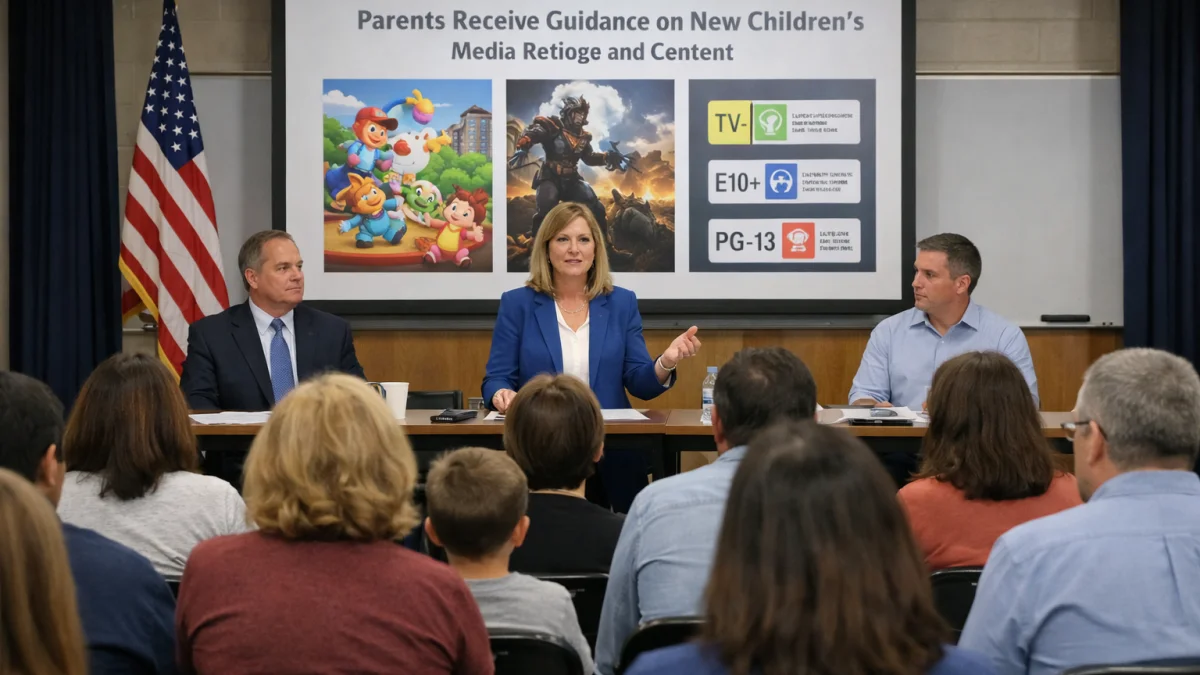


JAKARTA — Parents are receiving updated guidance to help them assess new children's media releases and age-based content ratings, as governments, health organizations and technology companies expand efforts to support safer digital media use among young audiences in 2026.
The latest initiatives include practical advice on evaluating age ratings, selecting age-appropriate content and discussing media choices with children. Officials and child safety organizations say the guidance is intended to help families navigate a growing range of digital entertainment, including streaming services, online video platforms and interactive media.


Earlier this month, Indonesia's Ministry of Communication and Digital and YouTube launched a Digital Wellbeing Guidebook aimed at parents and educators. According to the ministry, the publication provides practical recommendations on supervising children's online activities, understanding digital content and encouraging safer media habits. Minister Meutya Hafid said at the launch that the guidebook was designed to address parents' uncertainty about managing children's digital experiences. “The presence of this book is a real answer to the high number of parents who are still confused about monitoring their children's digital activities,” the ministry quoted her as saying.
Internationally, similar efforts have been introduced during June. The American Academy of Pediatrics said it is working with Apple to adapt the organization's Family Media Plan as part of new child safety features announced by the company. AAP Chief Executive Mark Del Monte said the initiative aims to provide families with “trusted, science-based guidance” to support informed decisions and healthy digital habits.
In the United Kingdom, the government on June 8 published its first national guidance on healthy screen use for children aged 5 to 16. Officials said the recommendations are intended to give parents practical, evidence-based advice on topics including screen time, smartphones, sleep and age-appropriate content. Children's Commissioner Rachel de Souza said families want “clear, trustworthy information and guidance on screen use.”
Health experts continue to advise parents that age ratings are only one factor when evaluating children's media. The American Academy of Pediatrics says individual titles carrying the same rating may differ significantly in the type and intensity of content, recommending that parents also consider themes, language, violence and opportunities for shared viewing.
Officials in several countries said updated guidance and educational resources will continue to be released as digital media platforms and children's entertainment offerings evolve. Details of additional measures remain under development, according to the organizations involved.