

WASHINGTON — Persistent heat and dangerous fire weather conditions threatened millions of Americans on Sunday, with red flag warnings issued across large parts of the Great Plains and Southeast amid an unusually warm and dry March.
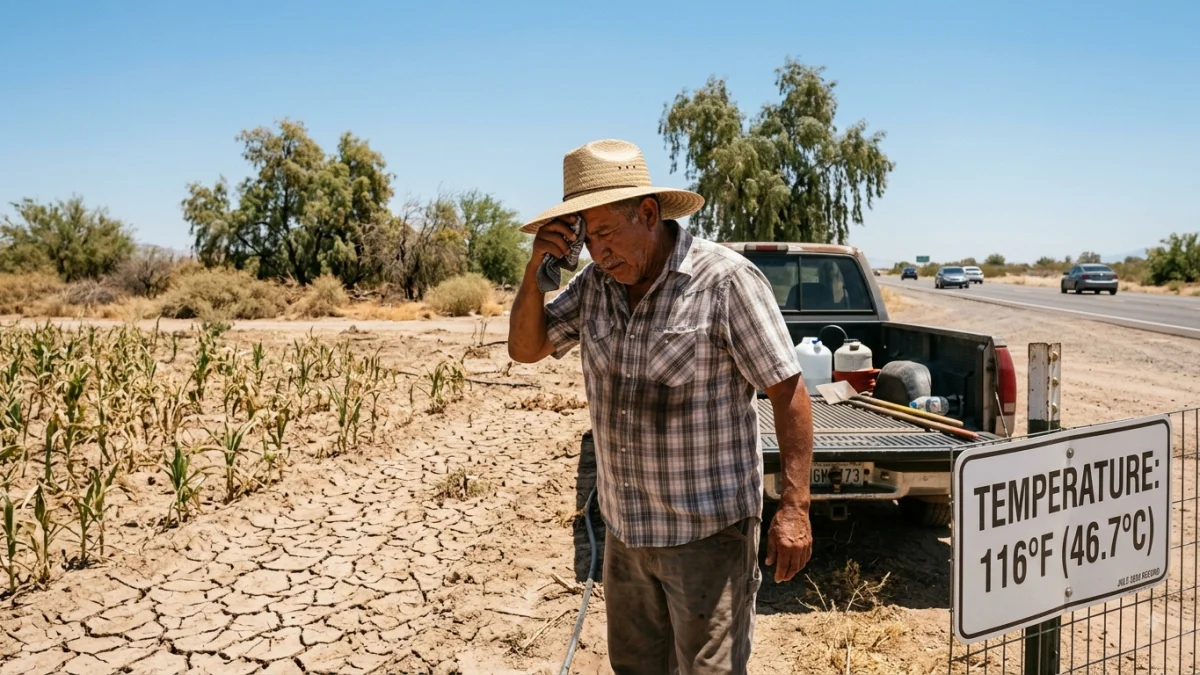
The National Weather Service placed more than 47 million people under red flag warnings Saturday and into Sunday due to low humidity, gusty winds and elevated temperatures that increased the risk of rapid wildfire spread. The warnings covered portions of states including Texas, Oklahoma, Kansas, Nebraska and extending into the Southeast. Forecasters reported that the ongoing heat wave had already shattered hundreds of high-temperature records across the western and central United States, with some areas seeing temperatures 20 to 30 degrees Fahrenheit above normal for the month.


The heat has accelerated snowpack melt in western mountain ranges, including the Sierra Nevada and Colorado Rockies, raising concerns for an early and potentially severe wildfire season. Preliminary data showed more than 1,400 daily high-temperature records broken in the western half of the country in recent weeks, including several all-time March records. In some locations, temperatures reached the low 100s, approaching or exceeding previous monthly highs.
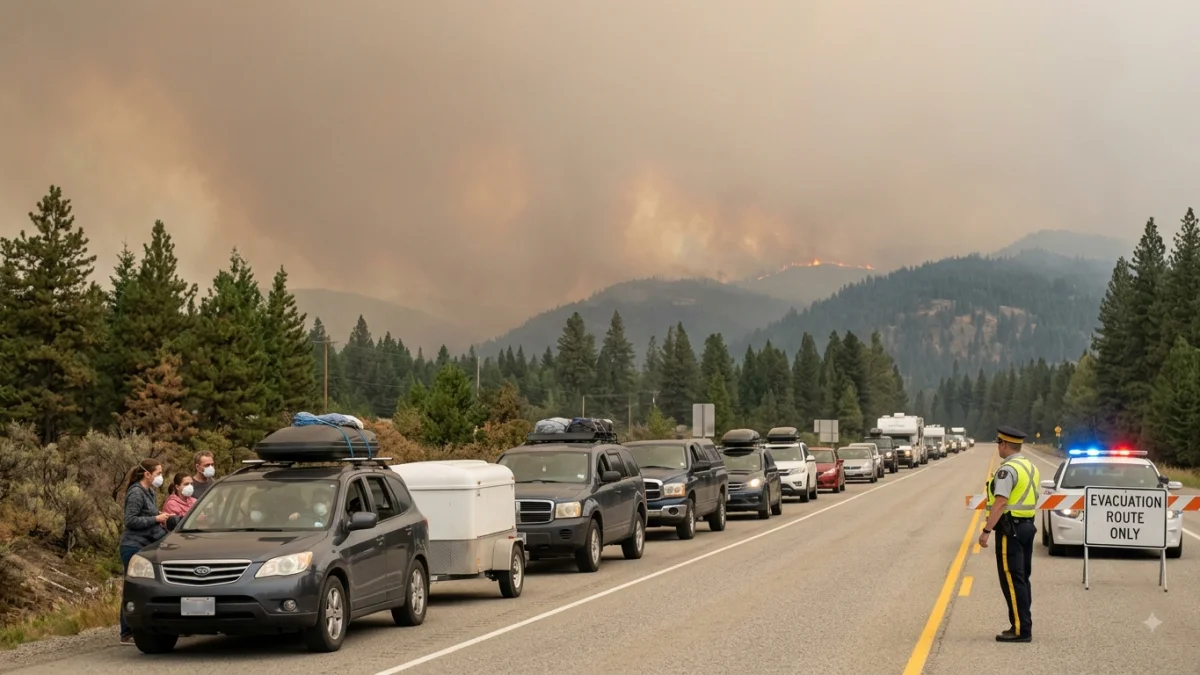
Fire danger has grown as vegetation dries out rapidly. The National Interagency Fire Center reported that more than 1.4 million acres have already burned nationwide this year, roughly double the 10-year average for the period. Smaller fires have broken out in several western states, prompting local response teams to increase readiness. Officials in affected regions urged residents to avoid activities that could spark fires, such as outdoor burning or equipment use in dry grass.
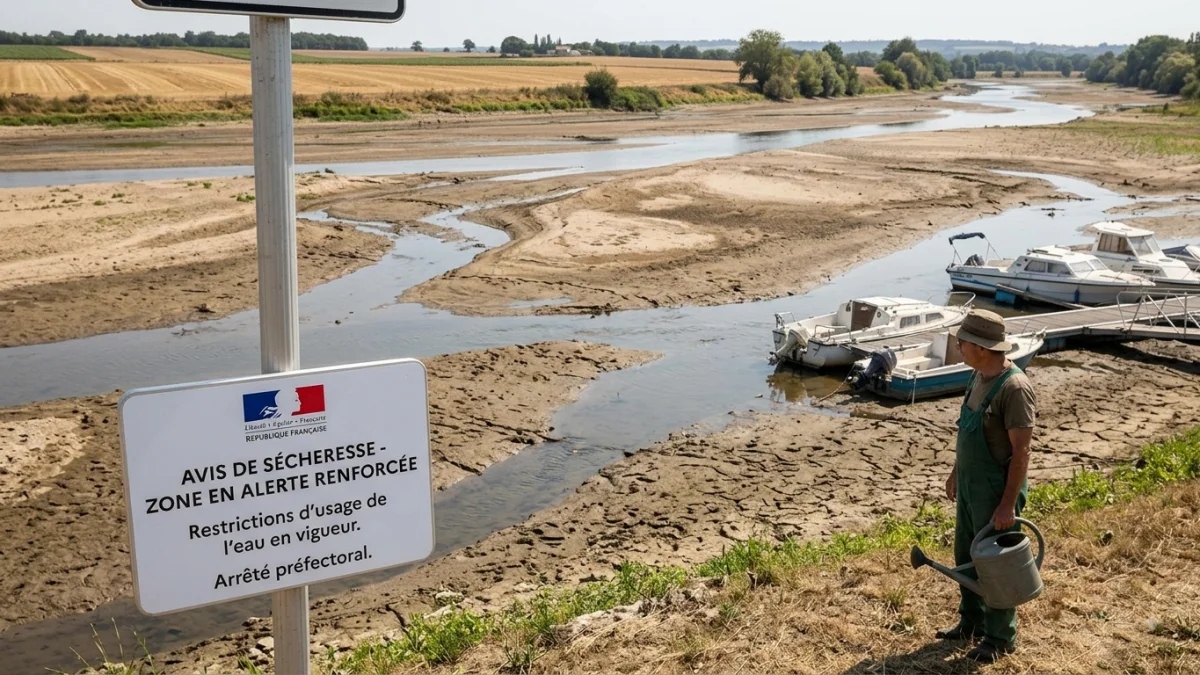
The unusual March conditions follow a pattern of above-average temperatures and below-normal precipitation in many areas. Meteorologists have monitored the high-pressure system responsible for the heat dome, which has persisted and shifted across the country. Impacts have included strain on water resources from rapid snowmelt and increased energy demand for cooling.
As of Sunday, the National Weather Service continued to monitor fire weather conditions, with some warnings expected to remain in effect into early next week. Forecasters anticipated that temperatures would remain elevated in several regions, though a gradual cooldown was possible in parts of the West later in the week. State and federal agencies maintained heightened preparedness for wildfires while advising the public on safety measures in affected areas.